Mudroom Cost: How Much Does a Mudroom Really Cost in 2026?
A mudroom is one of the hardest-working square feet in a house, but the mudroom cost to add one catches a lot of homeowners off guard. Depending on how far you go, you could spend a few hundred dollars on a bench and hooks or well over ten thousand on a fully custom built-in with heated floors. Most projects land somewhere in the middle.
The good news is that this is one of the more flexible home improvements out there. You control almost every cost driver, from whether you hire a contractor to whether you buy a flat-pack locker kit or mill your own cabinetry. This guide breaks down the real numbers, project type by project type, so you can budget with confidence.
For storage and layout options, Angi offers a full breakdown of average mudroom and entryway addition costs.
Average Mudroom Cost
For most homeowners, a complete mudroom project falls between $1,500 and $8,000, with a mid-range national average around $4,000 to $5,000. That covers a modest built-in: a bench, a few lockers or cubbies, hooks, and trim, installed by a local carpenter or general contractor.
Here is the range in clearer terms:
- Budget DIY (bench, hooks, baskets): $200–$800
- Prefabricated locker system, professionally installed: $1,000–$4,000
- Custom built-in with bench and closed storage: $3,000–$8,000
- Full custom mudroom with specialty tile, lighting, and plumbing rough-in: $8,000–$15,000+
On a square-footage basis, expect to pay about $150 to $400 per square foot for a finished, custom mudroom, compared with $75 to $150 per square foot for a basic drywall-and-trim version. Those figures come down fast if you live in a lower-cost region or do the demolition and painting yourself.
What Drives the Price
Three things move the mudroom cost more than anything else: scope, materials, and labor. Understanding each makes it much easier to see where your quote is going.
Scope of work. Converting an existing closet or an unused corner of a laundry room is dramatically cheaper than framing new walls or moving plumbing. If the space is already enclosed, you are mostly paying for millwork and finishes. If a contractor has to add walls, relocate a doorway, or run electrical for outlets and lighting, add 20–50% to the bottom line.
Materials. MDF and paint-grade poplar cost a fraction of solid maple or white oak. A paint-grade shaker locker can run $200–$300 per opening, while the same opening in solid white oak might hit $600–$900. Floor choices matter too: sheet vinyl runs $2–$5 per square foot installed, porcelain tile $8–$15, and heated tile $15–$25.
Labor and location. Cabinetmakers and finish carpenters in major metros regularly bill $75–$150 an hour. Rural and lower-cost markets may be half that. A mid-size custom mudroom usually takes a two-person crew four to seven days, which is where a large share of the cost comes from.
Photo by Get Lost Mike via Pexels
Mudroom Cost by Project Type
| Feature | DIY Refresh | Prefab Locker System | Custom Built-In | Full Custom Room |
|---|---|---|---|---|
| Typical cost | $200–$800 | $1,500–$4,000 | $3,000–$8,000 | $8,000–$15,000+ |
| Timeline | 1–2 days | 1–2 days | 1–2 weeks | 2–4 weeks |
| Storage style | Open hooks, baskets | Lockers, cubbies | Bench + closed cabinetry | Everything + tile, lighting |
| Best for | Renters, quick wins | Busy families | Forever homes | High-end builds |
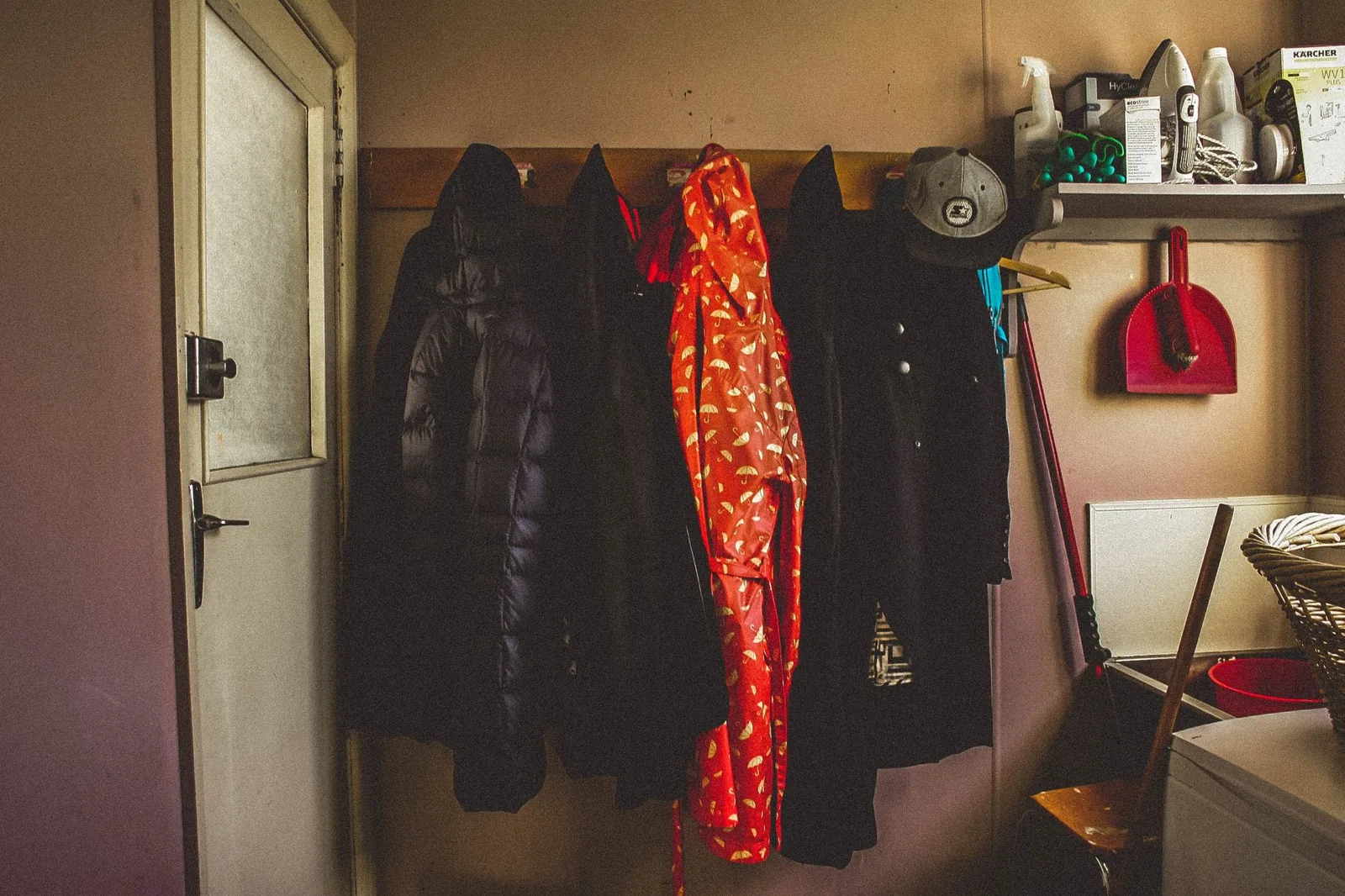
A DIY refresh is the cheapest entry point. A good bench, a row of sturdy double hooks, and a boot tray can transform a bare wall for under $500. You trade polish for speed, but in a family entryway, function often beats finish.
A prefab locker system is the sweet spot for many households. Brands like ClosetMaid, Rubbermaid FastTrack, and larger systems from companies like Garage- and mudroom-focused suppliers sell modular benches and lockers that a skilled handyman can assemble in a day. You get the built-in look at roughly half the custom price.
A custom built-in is where the numbers climb. A cabinetmaker builds the bench and lockers to your exact walls, including scribe work, closed storage, and premium hardware. This is the option most often recommended when the mudroom is visible from the main living space, because the quality gap is obvious at that distance.
A full custom room adds everything: heated tile floors, a dog-wash station, electronics charging drawers, and built-in laundry sorting. If your project is approaching this level, the mudroom cost starts competing with a small kitchen remodel, so it is worth comparing it against the cost of an enclosed porch if you are adding significant square footage rather than just cabinetry.
Mudroom Cost by Individual Component
If you are building up a budget line by line, here is what each piece typically runs:
- Bench: $150–$800 prebuilt, $400–$1,200 custom-built
- Lockers or cubbies (per opening): $300–$900
- Hooks and hardware: $50–$250 for a full wall
- Open shelving: $100–$400 per shelf
- Boot trays and drip liners: $20–$60 each
- Flooring: $2–$25 per square foot depending on material and heat
- Lighting (one fixture): $100–$400
- Wall storage panel (beadboard or shiplap): $2–$5 per square foot
Notice that the bench and lockers dominate the material list. If your estimate comes back high, that is almost always where the money is sitting, which makes those two items the first place to value-engineer.
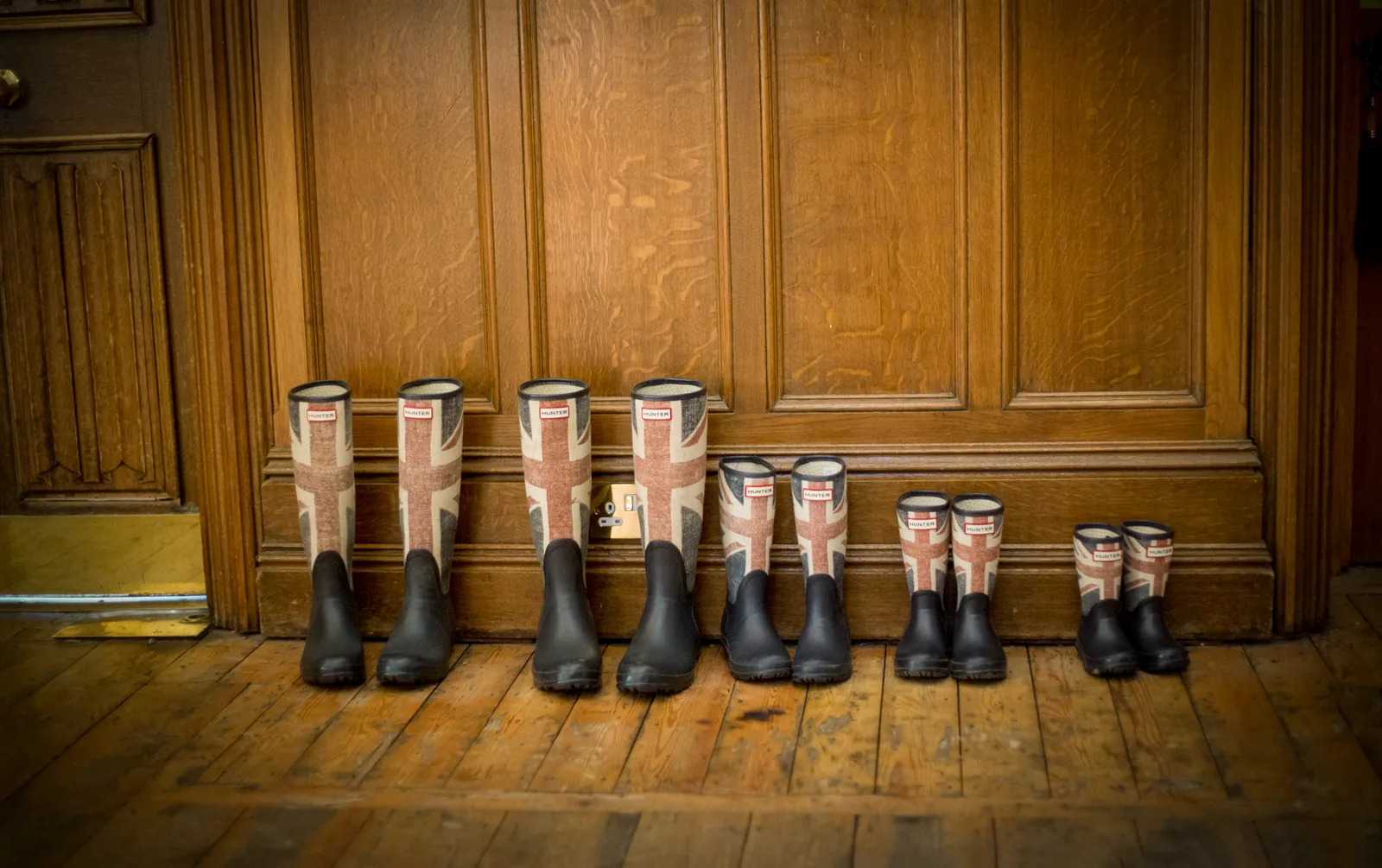
Photo by Emily Wilkinson via Pexels
DIY, Prefab, or Custom: Where to Spend
Most homeowners will be happiest spending on storage that gets touched every single day and cutting back on the parts nobody looks at twice.
Spend on: the bench (it carries real weight and sees daily abuse), a durable, waterproof floor, and enough closed storage to hide the clutter. Cheap hooks fail, thin benches sag, and carpet in a mudroom is a stain magnet.
Save on: crown molding and decorative trim, name plates, and matching solid-wood everything. Paint-grade millwork with a good paint job reads nearly as expensive as solid wood at eye level, and it costs half as much.
Do yourself if you can: demolition, painting, basic assembly of prefab systems, and installing hook rails. These are low-skill, high-saving tasks. Leave scribing, electrical, tile with in-floor heat, and anything touching plumbing to a licensed pro.
If you are comparing this project to other entryway upgrades, a front porch build or even a new porch addition priced per square foot can run more, so confirm which project actually solves your biggest pain point before committing.
Five Ways to Trim Your Mudroom Budget
- Use an existing footprint. A hallway, closet, or laundry corner that is already enclosed can save thousands over framing new walls.
- Go paint-grade. MDF or paint-grade poplar with semi-gloss paint is tough, easy to wipe down, and cheap to repair.
- Buy modular. Prefab locker and cubby systems deliver the built-in look for 40–60% less than custom millwork.
- Skip the heat. Heated floors are lovely, but a good rubber-backed mat over luxury vinyl plank handles most wet-boot situations for under $100.
- Batch the work. If a carpenter is already on-site for another job, adding a mudroom is far cheaper than scheduling a standalone visit.
Frequently Asked Questions
How much does a mudroom cost per square foot?
A finished custom mudroom typically runs $150 to $400 per square foot, while a basic drywall-and-trim version runs $75 to $150. Small mudrooms have a higher per-square-foot cost because fixed expenses like electrical and door installation get spread over less space.
Is a mudroom worth the cost?
For most families it is one of the higher-return projects in terms of daily function, though it rarely recoups its full cost at resale. The value is in the near-constant use: less dirt tracked into the house, a drop zone for bags and shoes, and a visible reduction in entryway clutter.
Can I build a mudroom myself?
Yes, at the low end. A DIY bench, hook rail, and boot tray typically costs $200–$800 and takes a weekend. Prefab locker systems are also very DIY-friendly. Custom built-ins with scribed panels are better left to a finish carpenter.
How long does a mudroom project take?
A DIY or prefab install takes one to two days. A custom built-in usually takes one to two weeks, and a full custom room with tile and electrical can run two to four weeks.
Do I need a permit for a mudroom?
Generally not for cabinetry, millwork, and cosmetic work inside an existing footprint. You may need one if you frame new walls, move plumbing, or run significant electrical. Check with your local building department, as rules vary by municipality.
According to This Old House, even modest entryway improvements can meaningfully improve how a home functions day to day, and Bob Vila has long noted that a well-built bench and storage wall handle the exact abuse that wears out a standard hallway.
If you’re planning the entry as a whole, compare the front porch cost and see entryway ideas to tie the space together.
The Bottom Line
Mudroom cost is ultimately something you set, not something that happens to you. A $400 weekend refresh and a $12,000 custom room both solve the same core problem; they just solve it to different standards. Figure out how much abuse the space will actually take, spend accordingly on the bench and flooring, and cut every decorative extra.
If you are ready to plan, get two or three written quotes for the custom route, or map out a prefab layout on a weekend for the budget route. Either way, you will end up with the one room in the house that quietly keeps every other room cleaner.