Artificial Turf Cost: 2025 Prices Per Square Foot Explained
If you are tired of mowing, watering, and reseeding a patchy lawn every spring, artificial turf looks like an easy fix. The catch is the price tag. Artificial turf cost runs roughly $5 to $20 per square foot installed, which means a typical 500-square-foot backyard lands somewhere between $2,500 and $10,000 before you add extras. The wide spread exists because turf quality, site prep, and labor all move the final number significantly.
This guide breaks down exactly where that money goes, what DIY can save you, and how synthetic grass stacks up against a real lawn over the long run. Figures below reflect 2024–2025 pricing across the US for residential installs.
Average Artificial Turf Cost Per Square Foot
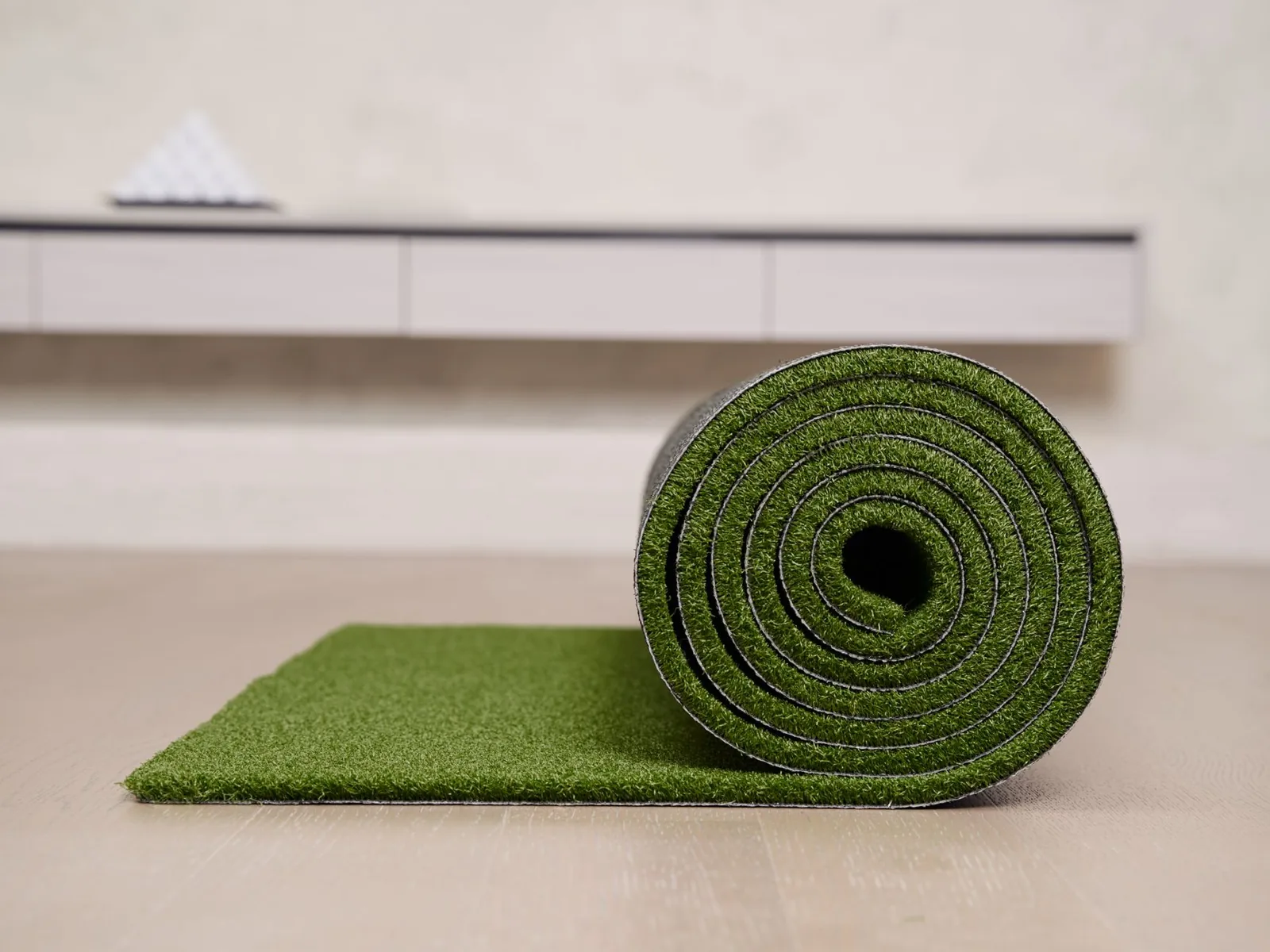
Most homeowners pay $12 to $15 per square foot for a professionally installed mid-grade turf with proper base prep. That figure bundles three things: the turf material itself, the aggregate base (crushed rock and sand), and installation labor. Pull them apart and the picture gets clearer.
- Budget turf: $2 to $5 per square foot for material only, often thinner with less resilient backing.
- Mid-grade turf: $5 to $8 per square foot for material; the sweet spot for most yards.
- Premium turf: $8 to $20 per square foot for material, including thicker blades, higher face weight, and longer warranties.
- Professional installation: $7 to $12 per square foot for labor and base prep in most regions.
Square footage drives the headline number, but it is not the only lever. A small, flat, easy-to-reach yard costs less per square foot than a big, sloped, obstacle-heavy one, because installers spread fixed costs like equipment hauling and dump fees across more surface area.
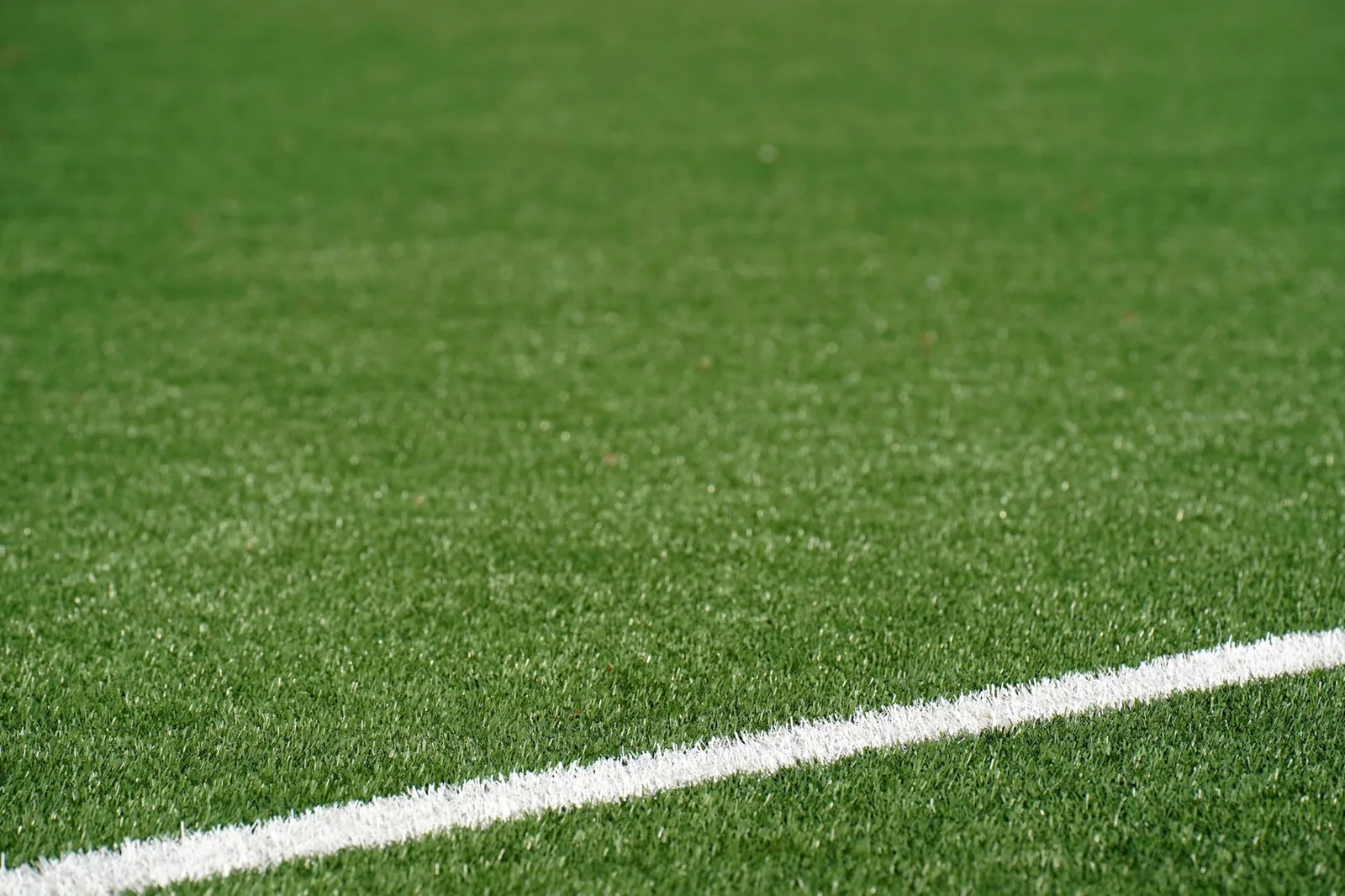
Photo by Tom Van Dyck via Pexels
What Drives the Final Price
Homeowners often fixate on the cost of the grass rolls and forget that site work is frequently the largest line item. Here is what actually moves your quote.
Base Preparation
Artificial grass needs a stable, well-draining base — usually 2 to 4 inches of crushed granite or decomposed granite compacted in lifts, topped with a thin layer of sand or infill. Expect to pay $4 to $7 per square foot for excavation, base material, and compaction. If your yard has heavy clay, poor drainage, or existing grass and roots to remove, that number climbs.
Turf Quality and Face Weight
Face weight, measured in ounces per square yard, is the most reliable signal of turf density and durability. Budget products sit around 40 to 50 ounces; quality residential turf runs 60 to 80 ounces. Higher face weight costs more up front but wears better under foot traffic and pet use, so it often pays for itself in longevity.
Infill
Infill supports the blades, keeps the turf cool enough to touch in summer, and gives the surface its cushion. Common options include silica sand, crumb rubber, and coated sand blends, running $0.75 to $2.50 per square foot depending on the product. Antimicrobial infill for pet-heavy yards costs more but controls odor.
Yard Condition and Access
Slopes that require terracing, retaining walls, or extra drainage add real money. Limited access — narrow side gates, no driveway turnaround — can force crews to haul material by hand, and that labor shows up in the bid.
Artificial Turf vs. Real Grass: The Cost Table
The honest comparison is not just first-year cost. It is what each option costs to own over a decade, because turf bundles its maintenance into the install price while sod spreads it out.
| Feature | Artificial Turf | Natural Sod Lawn |
|---|---|---|
| Installed cost | $5–$20 per sq ft | $1–$3 per sq ft |
| Watering cost | Minimal (occasional rinse) | $50–$150/month in summer |
| Mowing & fertilizer | None | $200–$500/year |
| Lifespan | 10–20 years | Ongoing (reseeding, patching) |
| Upfront labor | High | Low to moderate |
The pattern is consistent: sod is dramatically cheaper on day one, while turf closes the gap over 7 to 10 years through eliminated watering, mowing, and fertilizer bills. If you live in a drought-prone region or pay high water rates, turf often wins on total ownership cost far sooner. For a closer look at that trade-off, read our breakdown of artificial turf vs. sod.
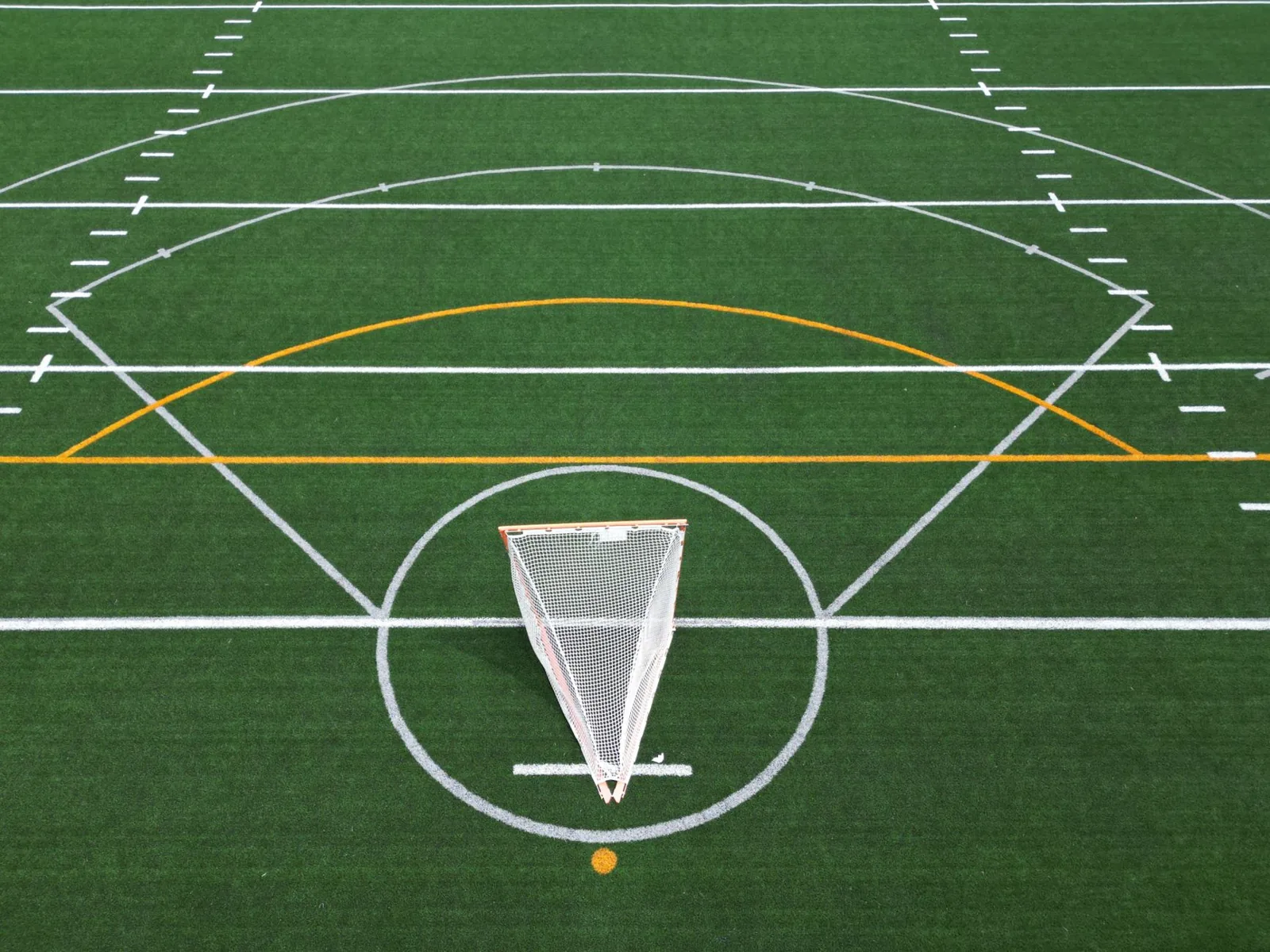
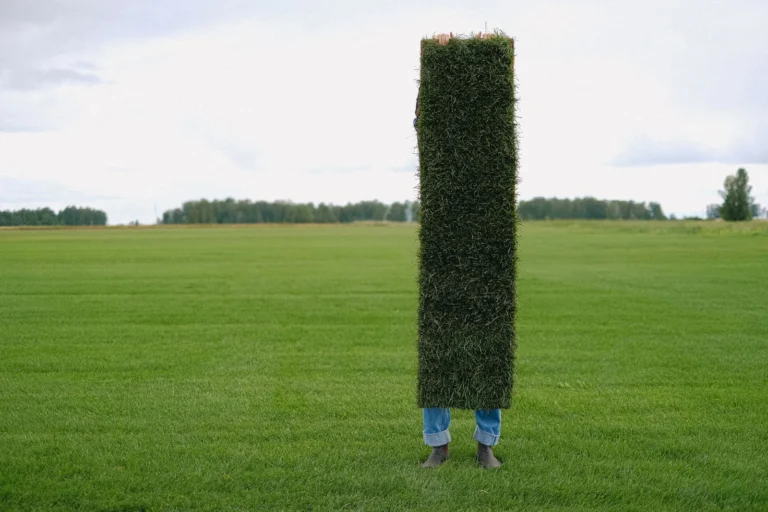
Photo by Giant Asparagus via Pexels
Cost by Project Type
Your project shape matters as much as your square footage. Here is what common jobs tend to run.
Small Areas and Pet Runs
A 100- to 150-square-foot dog run or side yard typically costs $1,200 to $3,000 installed. Because the area is small, installers still charge a minimum for mobilization, so the per-square-foot rate skews higher than a full lawn.
Standard Backyard
A 500-square-foot backyard at the $12 to $15 mid-range lands between $6,000 and $7,500. This is the most common project size, and the one where per-square-foot pricing is most reliable.
Athletic and Play Surfaces
Putting greens and sports surfaces use specialized turf with tighter pile and often a shock-absorbing pad underneath. Expect $18 to $25 per square foot installed for a backyard putting green, above standard residential turf.
DIY vs. Professional Installation
Doing the work yourself can cut a $7,000 project toward $3,500 to $4,000, but only if you do the base correctly. The grass rolls are the easy part; the base is the job.
A DIY install still requires excavating 3 to 4 inches of soil, hauling and compacting base rock, leveling with a plate compactor, and sewing seams with landscape staples and seam tape. Rent the compactor, and budget a full weekend plus a helper for a typical backyard. Mistakes — poor drainage, shifting base, visible seams — are expensive to fix later, which is why many homeowners hire pros for the base and handle only the finishing themselves.
Professionals cost more because they show up with the compactor, the skid steer, and the dump run, and they typically warranty the seams for a set period. If your yard has existing irrigation, sprinkler lines, or a slope, the pro route is usually worth it.
Hidden Costs to Budget For
Quotes rarely include every incidental, and these are the ones that surprise people at the end.
- Old lawn removal: hauling away existing sod and 3 to 4 inches of soil, $1 to $3 per square foot, unless you pile and dispose of it yourself.
- Irrigation decommissioning: capping or removing sprinkler heads and lines so they do not leak under the turf.
- Weed barrier fabric: $0.50 to $1 per square foot to keep weeds from working through drainage holes.
- Permits: some municipalities require a permit for large hardscape or drainage changes, usually $50 to $300.
- Edging: bender board, steel, or paver borders around the perimeter, often several hundred dollars.
- Drainage upgrades: French drains or additional base depth in low-lying yards.
Rolling these into your estimate up front prevents the classic “the grass looks great, but the quote doubled” moment. For a sense of how turf costs fit into a broader budget, see our guides on landscaping costs and backyard landscaping costs.
How to Keep Your Quote Honest
Get three written quotes and force every one to break out the same three numbers: turf material, base prep, and labor. A bid that lumps everything into one square-foot figure is harder to compare and easier to pad. Ask what face weight the turf is, what infill they plan to use, and how they handle drainage on your specific lot.
Also confirm the warranty in writing. Quality turf carries a 10- to 15-year manufacturer warranty, but it only survives if the base stays stable, which is why the installer’s workmanship warranty matters as much as the product one. The Family Handyman guide to artificial grass walks through a residential install step by step, and This Old House publishes regularly updated national cost data worth checking against your quotes.
Frequently Asked Questions
How much does artificial turf cost per square foot installed?
Most residential installs run $12 to $15 per square foot all-in, with a realistic national range of $5 to $20 depending on turf quality, base prep, and yard condition.
Is artificial turf cheaper than a real lawn long term?
Over 7 to 10 years, yes in many regions. Turf eliminates mowing, fertilizing, and most watering, closing the upfront gap — especially where water is expensive or restricted. Sod stays cheaper in the first year or two.
Can I install artificial turf myself to save money?
Yes, and DIY typically saves 40 to 50 percent, but the savings come from doing the base correctly. Budget for a plate compactor rental, excavation, and a full weekend, and accept that seam and drainage mistakes are costly to undo.
How long does artificial turf last?
Quality residential turf with proper infill and a stable base lasts 10 to 20 years under normal use. Budget products in high-traffic or pet areas wear out on the shorter end of that range.
Does artificial turf need any maintenance?
Minimal. It needs occasional rinsing to remove dust and pet urine, periodic brushing to lift matted blades, and debris removal. There is no mowing, fertilizing, or edging, which is where most of the long-term savings come from.
The Bottom Line
Artificial turf cost is an upfront expense with a long tail. Plan on $12 to $15 per square foot installed for a quality mid-grade product on a properly prepared base, and expect to pay more for premium turf, sloped lots, or specialty surfaces like putting greens. The value shows up over the next decade in a lawn that stays green without a single dollar of water, fertilizer, or mowing.
Before you sign a contract, collect three itemized written quotes, confirm the turf’s face weight and infill, and verify both the product and workmanship warranties. Do that, and you will know exactly what you are paying for — and whether it is the right call for your yard.