Landscaping Ideas on a Budget: 12 Affordable Ways to Transform Your Yard
A full yard makeover can easily run $10,000 or more when you hire it out, but it doesn’t have to. Landscaping ideas on a budget can reshape a tired lawn for a few hundred dollars if you’re willing to get your hands dirty and spend where it counts. The trick isn’t doing everything cheaply — it’s knowing which projects deliver the biggest visual payoff per dollar.
Most homeowners overspend on spreading projects too thinly, then wonder why the yard still looks unfinished. This guide walks through concrete, proven ways to upgrade your outdoor space without draining your savings, with real cost ranges you can budget against.
Start With a Plan and a Real Budget
Before you buy a single plant, set a number and a sequence. A $500 budget spent on one coherent project — like a defined mulch border and fresh edging — will transform a yard far more than $500 scattered across six half-finished ideas.
- Measure first. Map the lawn and beds on paper or a free app. Many homeowners underestimate bed area, then run out of mulch or stone mid-project.
- Phase it. Do the foundation work (grading, edging, soil) first, then plants, then decorative touches. You can stop after any phase and still have a yard that looks intentional.
- Get a soil test. A basic kit runs $15–$30 and tells you exactly what your lawn and beds need. Guessing leads to dead plants, which is the fastest way to blow a budget.
Cheap Curb Appeal: Lawns, Beds, and Borders
The edges of your property draw the eye first, and they’re shockingly cheap to fix. This is where budget landscaping ideas deliver the most impact for the least cash.
A crisp mowing line and edged beds make any lawn look maintained. A manual half-moon edger costs around $25, or you can rent a powered edger for about $30 per day. Fresh mulch is the single best bang-for-buck upgrade: a 2-cubic-foot bag runs $3–$5 at big-box stores and covers roughly 12 square feet at a 2-inch depth.
For plant material, skip the instant-gratification mature specimens. A 4-inch perennial costs $3–$8, while the same plant in a gallon pot runs $15–$25 and shows no meaningful advantage after one growing season. Native perennials are cheaper to keep alive because they need less water and fertilizer, and they fill in fast enough to hide their small starting size.
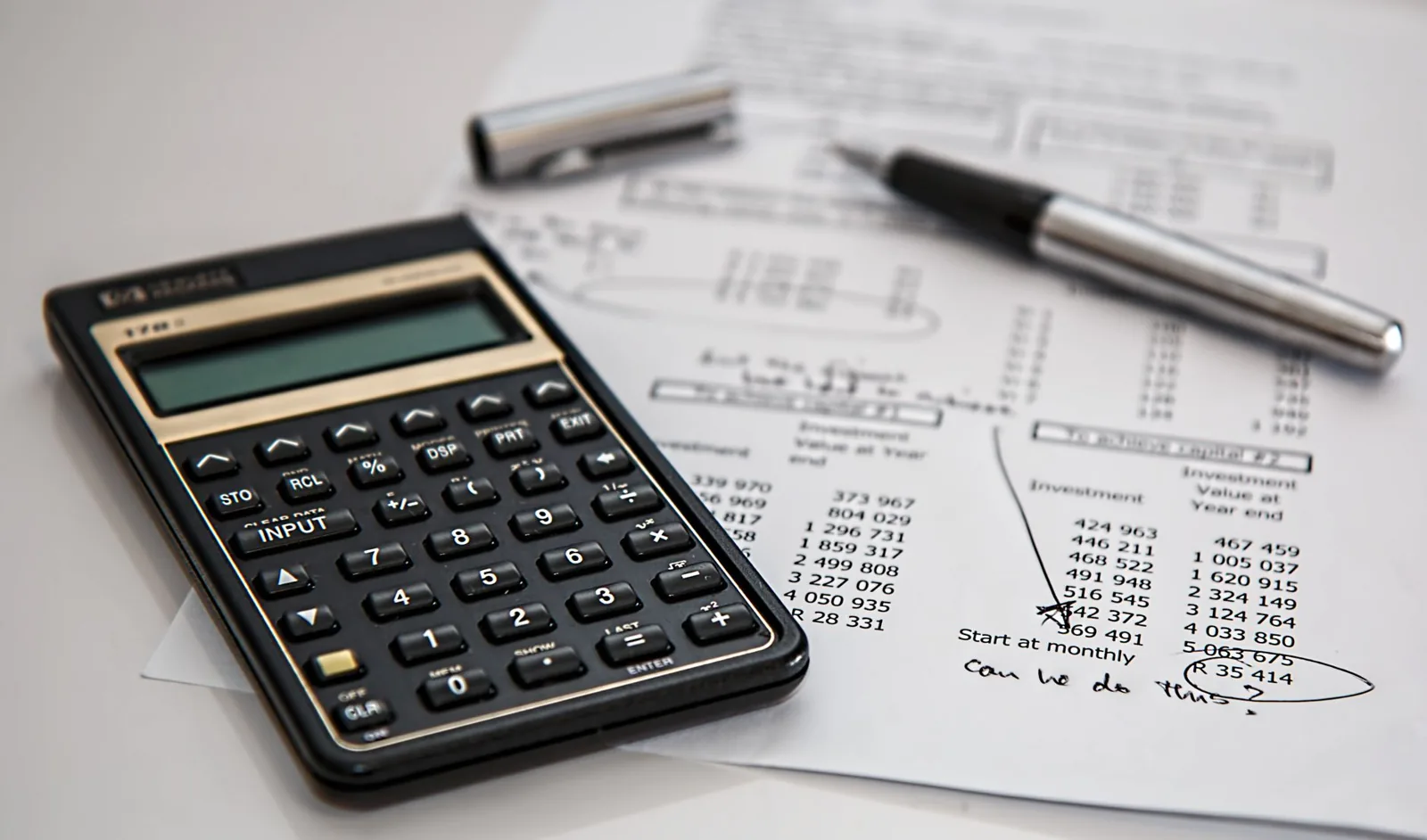
Photo by Pixabay via Pexels
Hardscaping on a Dime
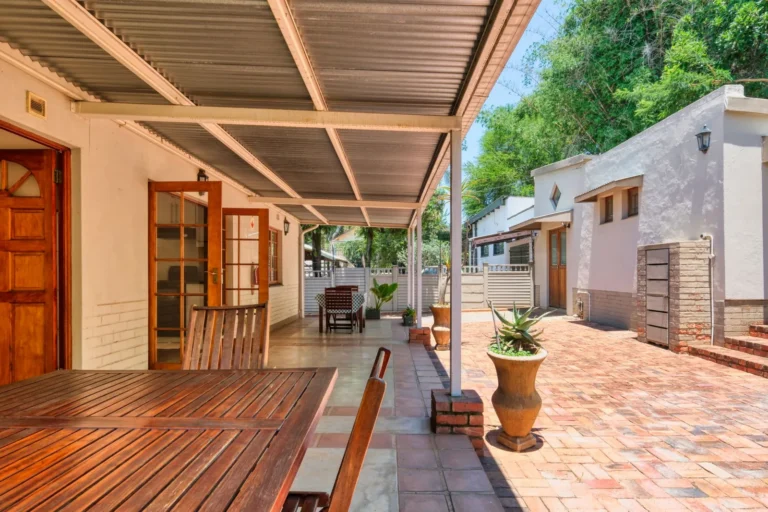
Hardscape features like paths, patios, and borders read as “expensive” even when they aren’t, because they add structure to a soft landscape. The materials you choose decide whether a project costs $150 or $1,500.
| Feature | Budget Option (per sq ft) | Mid-Range Option (per sq ft) | Premium Option (per sq ft) |
|---|---|---|---|
| Gravel or decomposed granite path | $1–$3 | — | — |
| Mulch path or bed | $0.50–$1 | — | — |
| Paver patio (DIY) | — | $6–$10 | $12–$20 (pro install) |
| Stamped concrete | — | $8–$12 | $12–$18 |
Gravel is the budget workhorse. A 10-foot by 3-foot path needs about 2.5 cubic yards of gravel at $30–$60 per yard, plus landscape fabric ($15–$25 a roll) to block weeds. All in, a usable gravel path can cost well under $200 in materials.
If you’re weighing pavers against stamped concrete for a patio, check our cost breakdown of paver patio vs. stamped concrete before committing. For the extra dollars, stamped concrete gives a smoother, lower-maintenance surface, but pavers are far easier to DIY and repair.
DIY Landscaping Ideas on a Budget
Labor is usually the largest line item in a landscaping quote — often 50% or more of the total. Every hour you spend doing the work yourself is money you don’t pay someone else, which is why DIY is the single fastest route to a cheap yard.
Projects that are genuinely safe and simple to DIY include:
- Laying a mulch or gravel border with a shovel and landscape fabric.
- Building a raised bed from cedar planks ($40–$80 in lumber) or stacked concrete blocks.
- Planting a perennial bed — dig, amend, plant, mulch. No special skills required.
- Installing a simple drip-irrigation kit ($30–$60) that cuts water use and saves you time all season.
- Setting a small paver walkway or stepping-stone path.
Leave grading, retaining walls over 3 feet, and anything involving gas or electrical lines to the pros. Those are the jobs where a DIY mistake costs more than the labor you saved.
Photo by Pixabay via Pexels
Where to Spend vs. Where to Save
Budget landscaping isn’t about spending nothing — it’s about concentrating money where it works hardest and cutting it everywhere else.
Spend on:
– Soil and compost. Plants fail in bad soil no matter what the budget. A cubic yard of good compost costs $30–$50 and improves everything you plant.
– Structure. One solid hardscape element — an edged border, a short path, a defined bed — anchors the whole design.
– A few statement plants. Put one or two larger specimens near the entry, where they read as intentional.
Save on:
– Annual color. Skip big flats of annuals; perennials return every year for the same initial cost.
– Fountain and lighting features. Solar path lights at $3–$8 apiece do the job just fine.
– Brand-name tools and rentals. Borrow or rent for one-off jobs rather than buying.
Before you commit to a full redesign, get a picture of the whole scope with our landscaping cost guide. And if you’re thinking bigger, our breakdown of backyard landscaping cost shows where a mid-range budget lands.
More Landscaping Ideas Under $200
Some of the best budget landscaping ideas are the ones you can knock out in a single weekend without renting equipment or hiring anyone.
Oversize your mulch rings. Group several shrubs into one large bed instead of giving each plant its own small ring. It looks designed rather than scattered, and it means less edging to maintain next season.
Create a fire-pit seating zone. A $60–$120 steel fire pit, a ring of gravel, and a few $25–$40 outdoor chairs build a usable gathering spot for under $250. No masonry skills required — just level the ground and lay landscape fabric beneath the gravel.
Use reusable material for paths. Cedar chips, crushed shell, or recycled brick from a salvage yard all cost far less than new pavers and develop character as they age. Divide perennial clumps from a neighbor or a local plant swap instead of buying full-priced pots, and you can fill a 40-square-foot bed for under $50.
Light it for cheap. A dozen solar stake lights for $30–$60 line a path or wash a wall, and they install in minutes with zero wiring. They won’t match a hardwired low-voltage system, but they’re enough to make the yard usable after dark and photograph well for resale.
These moves matter because landscaping is a slow, compounding investment. Finishing several small, complete projects beats one sprawling, half-done overhaul every time.
Frequently Asked Questions
How much does it cost to landscape a yard on a budget?
A doable DIY budget starts around $300–$800 for edging, mulch, and a few native perennials. A more complete refresh with a small hardscape feature and new beds typically lands between $1,000 and $3,000 when you do most of the work yourself. Hiring professionals roughly doubles to triples the total.
What is the cheapest way to make my front yard look better?
Fresh mulch, a crisp lawn edge, and three or four healthy plants near the entry. Combined, those cost under $150 and take a weekend. According to This Old House, simple front-yard improvements consistently rank among the highest-return curb-appeal projects for the dollars spent.
What plants are cheapest to maintain?
Native perennials and ornamental grasses. They need less water and fertilizer than exotic species, they come back every year, and they fill in quickly. Better Homes & Gardens maintains a solid list of low-maintenance natives by region.
Can I do landscaping myself without experience?
Yes, for the low-risk projects listed above. Mulching, edging, planting, and laying gravel or stepping stones require no special skills. Reserve grading, drainage work, and walls over 3 feet for licensed professionals.
How do I landscape with a very tight budget under $500?
Focus on one visible area, not the whole yard. Edge the beds, lay fresh mulch, add landscape fabric under a new gravel path, and plant a few native perennials. A $500 budget executed on a single front-yard zone will look dramatically better than $500 spread thin.
The Bottom Line
Landscaping ideas on a budget come down to discipline: pick one defined project, do the labor yourself, and spend on soil and structure rather than on mature plants and gimmicks. A focused few hundred dollars — spent on edging, mulch, a gravel path, and native perennials — can make a yard look professionally designed.
Start small, finish what you start, and let the next phase grow out of what you learned. When you’re ready to expand, compare hardscaping costs to plan the next stage with the same money-smart approach.