Paver Patio Cost in 2026: Complete Price Guide
A paver patio is one of the best dollar-for-dollar improvements you can make to a backyard, but the price is not a single number. Depending on the material, the size of the space, and whether you hire a pro or grab a wheelbarrow yourself, a paver patio cost can land anywhere from a few hundred dollars to well over $12,000. Here’s the short version before we get into the details: most homeowners pay between $10 and $25 per square foot installed, with a national average project running about $3,800 to $4,200 for a typical 12-by-18-foot patio.
The spread is wide on purpose. A basic concrete paver in a simple running-bond pattern costs far less than hand-cut travertine set over a deep, reinforced base. Knowing which numbers apply to your yard is the whole point of this guide, so you can budget accurately instead of guessing.
Below, we break down the cost by material, explain where labor dollars actually go, and compare the DIY route against hiring a crew. We’ll also cover the common extras that quietly push a quote higher.
What Does a Paver Patio Cost in 2026?
Before breaking anything down, understand these three ranges, because every estimate you see will fall into one of them.
- Budget, $8–$12 per sq ft. Concrete pavers or basic brick, a thin base, and simple patterns. This is the entry-level range if the ground is already fairly flat and accessible.
- Mid-range, $12–$18 per sq ft. Higher-quality concrete or clay pavers, a proper 4–6 inch gravel base, sand setting bed, edge restraints, and a border or inlay detail.
- Premium, $18–$30-plus per sq ft. Natural stone — travertine, flagstone, bluestone — or porcelain pavers, with thicker base work, drainage, and more intricate layouts.
For a standard 250-square-foot patio (about 12 by 18 feet), that translates to roughly $2,000 at the low end, $3,500 to $4,500 in the middle, and $6,000 and up for premium stone. These are installed prices; materials alone typically run 40% to 55% of the total.
Paver Patio Cost by Material
The material you choose is the single biggest lever on price. Here’s how the common options compare on a per-square-foot basis, material only.
| Feature | Concrete Pavers | Clay Brick | Natural Stone | Porcelain Pavers |
|---|---|---|---|---|
| Material cost (per sq ft) | $3–$7 | $5–$10 | $10–$30 | $8–$20 |
| Installed cost (per sq ft) | $10–$17 | $12–$20 | $18–$35 | $15–$28 |
| Durability | High | High | High | Very high |
| Color/pattern range | Wide | Limited | Natural variation | Wide, +wood looks |
| Best for | Budget-conscious builds | Traditional/historic looks | Luxury, one-of-a-kind | Sleek, modern designs |
Concrete pavers are the workhorse of the industry. They are manufactured in molds, so they come in hundreds of shapes and colors, and a pallet covers around 100 to 120 square feet. Clay brick pavers cost more because the material is fired rather than pressed, and installers charge a small premium for the extra care brick requires.
Natural stone — flagstone, travertine, bluestone — sits at the top of the scale because the material itself is quarried and cut, not manufactured, and each piece has to be hand-fit. Porcelain pavers have surged in popularity for modern homes; they resist staining and frost better than nearly anything else, which justifies the mid-to-high price.
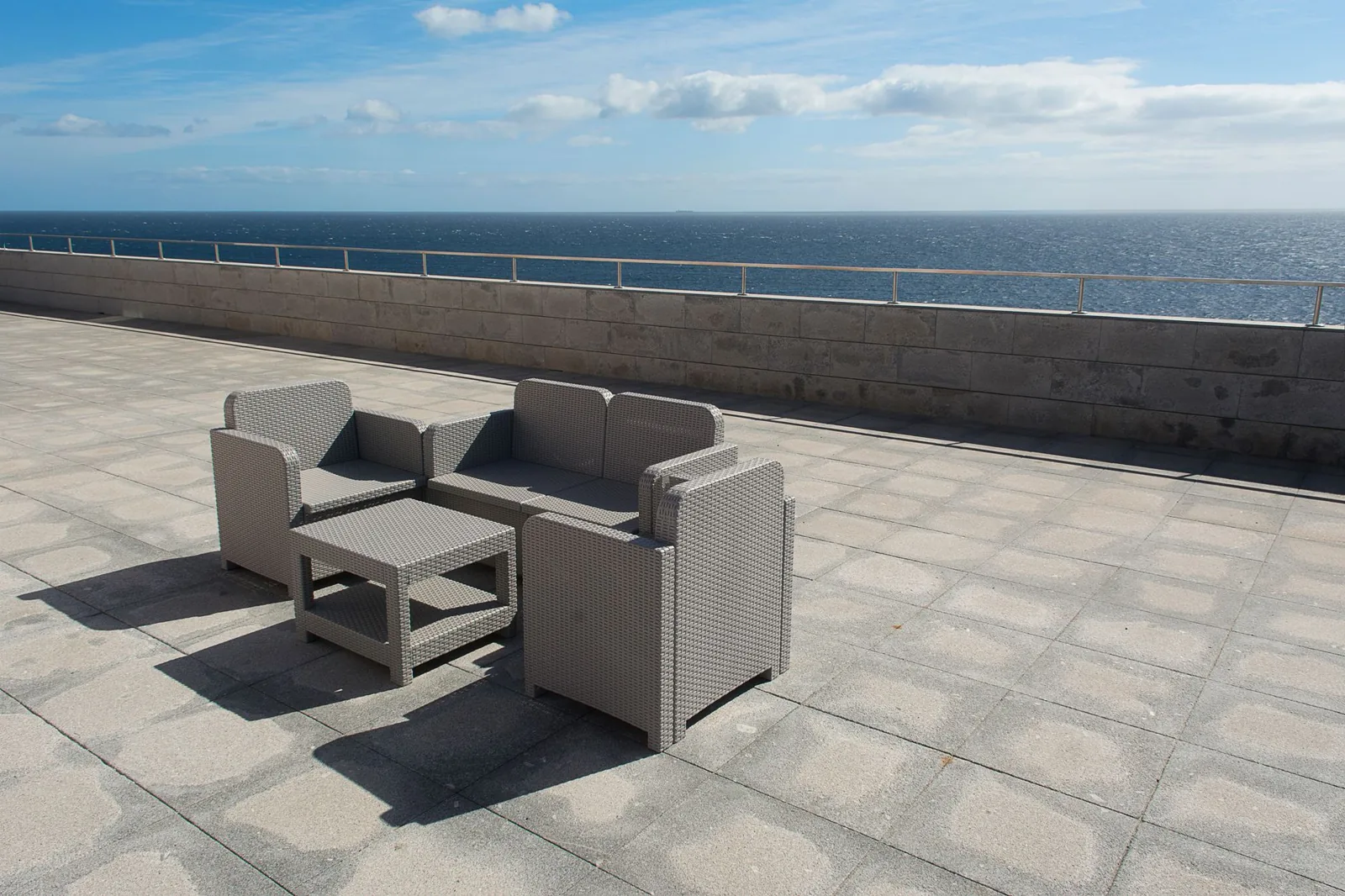
Photo by Jan van der Wolf via Pexels
Labor vs. Materials: Where the Money Goes
If you get three quotes and they’re miles apart, the difference is almost never the pavers themselves — it’s the prep work underneath them.
A paver patio is only as good as its base. The ground has to be excavated, graded, and compacted, then built back up in layers: a compacted gravel base, a screeded sand setting bed, and finally the pavers on top with edge restraints so the border doesn’t drift. On sloped or poorly drained ground, an installer may need to dig out and haul away several inches of soil, which adds dump fees and time.
Here’s a rough breakdown of a $4,000 mid-range patio:
- Materials (pavers, gravel, sand, edging): $1,600–$2,200
- Labor (excavation, compaction, layout, cutting, install): $1,800–$2,400
- Extras (delivery, disposal, permits where required): $150–$400
This is why the cheapest quote is not always the best deal. A crew that skips proper compaction to hit a lower number will hand you a patio that heaves and sinks within a few seasons. When you compare bids, ask each contractor to itemize the depth of the gravel base and the type of edge restraint — those two line items tell you more than the bottom line ever will.
Paver Patio Cost by Size
Because pavers are priced per square foot, the size of your project scales costs almost linearly — with a couple of caveats. Very small jobs still carry a minimum mobilization charge, and very large jobs get a mild per-foot discount.
| Patio Size | Square Feet | Typical Installed Range |
|---|---|---|
| Small (seating nook) | 100–150 sq ft | $1,200–$3,000 |
| Medium (standard patio) | 200–300 sq ft | $2,400–$6,000 |
| Large (dining + lounge) | 400–600 sq ft | $5,000–$12,000 |
| Extra-large (full yard) | 700–1,000+ sq ft | $8,500–$20,000+ |
Keep in mind that a larger surface area means more excavation and more base material, but the cost per square foot often drops slightly on big jobs because the crew is already on site and set up. For budgeting purposes, assume you’ll spend $3,000 to $6,000 for a comfortable, mid-range patio that seats a table and chairs with room to move.
Photo by Tracy Elford via Pexels
Paver Patio vs. Stamped Concrete
Homeowners regularly weigh pavers against stamped concrete, and the cost question usually decides it. Stamped concrete typically runs $12 to $20 per square foot installed, which puts it in a similar band to pavers — sometimes cheaper, sometimes not, depending on the complexity of the stamp pattern.
The real difference is long-term. Pavers sit on individual joints, so when the ground shifts, the patio flexes instead of cracking. If one paver chips or stains, you pop it out and replace it. Stamped concrete is a single monolithic slab, so any crack in the slab is a crack across the whole surface, and repairs rarely blend in. Pavers also drain better, because water can pass through the joints rather than pooling on a solid slab.
If you want a fuller breakdown of the two, our paver patio vs. stamped concrete comparison walks through the pros, cons, and realistic life-cycle costs of each. The short answer: pavers cost a little more up front and a lot less in maintenance over a 20-year horizon.
DIY vs. Hiring a Pro
Laying pavers is genuinely doable as a weekend-into-weekend project, and it’s where the biggest single savings live — as much as 50% to 60% of the project total.
A DIY paver patio for a 250-square-foot space typically costs $1,200 to $2,500 in materials. That buys the pavers, gravel, sand, landscape fabric, edging, a plate compactor rental (usually $60 to $90 a day), and delivery. The trade-off is time and your back: excavating, leveling, and compacting hundreds of square feet by hand is hard physical work, and a patio that looks effortless in photos requires exacting base prep.
Hiring a pro means you pay $10 to $25 per square foot installed. You’re buying equipment, experience, and speed — a good crew can turn out a full patio in two to four days versus your two to four weekends. For anything over 300 square feet, on sloped ground, or with natural stone, the pro route is usually the right call. For a small, flat, simple concrete-paver patio, DIY is a legitimate money-saver.
Ways to Keep Paver Patio Costs Down
None of these shortcuts mean “cheap out on the base” — a bad base is a false economy. But each one trims real dollars without hurting the result.
- Go with concrete pavers instead of natural stone. You get 90% of the look for about 40% of the material price.
- Keep the pattern simple. Running bond and stack bond install faster than herringbone or basket weave, and faster install means lower labor.
- Choose a standard size. Common 4″x8″ and 6″x9″ pavers come in bulk; unusual sizes and radii require extra cutting.
- Do the demo and hauling yourself. If you’re replacing an old concrete slab, renting a jackhammer and removing it can cut a meaningful line item.
- Install in the off-season. Many installers offer better rates in late fall and early winter when demand drops.
- Skip the high-end extras. Borders, inlays, built-in fire pits, and raised seating walls each add hundreds to thousands of dollars.
For context on how a patio fits into the bigger picture of backyard spending, see our guides to hardscaping costs and landscaping costs.
Frequently Asked Questions
How much does a 20×20 paver patio cost?
A 20-by-20-foot patio is 400 square feet. At the typical $12 to $18 per square foot for a mid-range install, expect $4,800 to $7,200. Premium stone could push that past $10,000.
Is a paver patio cheaper than a concrete slab?
Usually not on day one — a poured concrete slab often runs $6 to $12 per square foot, while pavers run $10 to $25. But pavers cost less to maintain and repair over decades, so the life-cycle cost tends to favor pavers for homeowners planning to stay put.
Can I install pavers directly on dirt?
No. Pavers need a compacted gravel base and a sand setting bed to keep them from sinking and shifting. Skipping the base will show up as an uneven, heaving patio within the first year or two, per This Old House’s paver installation guidance.
How long does a paver patio last?
A properly installed paver patio lasts 25 to 50 years or more. Individual pavers may need occasional resetting or replacement, but a good base can outlast the house it sits behind. The Bob Vila team notes that the longevity depends almost entirely on base preparation and drainage.
Do I need a permit for a paver patio?
Sometimes. Many jurisdictions treat a ground-level patio as a minor project that needs no permit, but anything involving significant excavation, retaining walls, or a change to drainage can trigger one. Call your local building department before you start rather than after.
The Bottom Line
Expect to spend $10 to $25 per square foot installed for a paver patio, with the sweet spot for most backyards landing around $3,800 to $4,500 for a mid-range medium-sized project. Material choice sets the ceiling, but the quality of the base — excavation, grading, and compaction — is what you’re really paying for, and it’s the one line item worth protecting.
Get three itemized quotes, ask about base depth and edge restraints, and run the numbers on DIY only if your ground is flat and your pattern is simple. A well-built paver patio is a two-decade upgrade that pays for itself in how much more you actually use your yard.