Xeriscaping Ideas: Water-Smart Landscaping That Looks Anything but Dry
A green lawn drinks more water than almost anything else in your yard. In a dry summer, keeping 1,000 square feet of turf alive can take 600 to 900 gallons a week. Xeriscaping ideas flip that math: you keep the structure, texture, and color of a designed landscape while cutting outdoor water use by 50 to 75 percent.
The best part is that xeriscaping is not a bare gravel lot with one cactus in the corner. Done well, it reads as a layered, intentional garden — just one that happens to survive a heat wave without a sprinkler running every morning. Here are the ideas worth stealing, along with real numbers so you can budget for them.
What Is Xeriscaping (and What It Isn’t)?
Xeriscaping is landscaping designed to need little or no supplemental irrigation. The name comes from the Greek word xeros, meaning “dry,” and the approach was formalized in the early 1980s by Denver Water during a rough regional drought.
A lot of people hear “xeriscape” and picture a yard stripped to rock. That’s a common miss. The original framework is a seven-step system, and the steps matter as much as the plants:
- Plan and design around your actual sun, slope, and soil.
- Improve the soil so water soaks in instead of running off.
- Use turf only where it earns its keep.
- Pick plants adapted to your region’s natural rainfall.
- Water efficiently with drip lines and deep, infrequent soakings.
- Mulch heavily to hold moisture in the ground.
- Maintain on a schedule — xeriscapes are low-water, not no-work.
That last point trips people up. A mature xeriscape might need a weeding pass every couple of weeks in spring and a hard pruning once a year. It is cheaper and faster than mowing, but it is not a plastic, no-maintenance fantasy.
Xeriscaping Ideas That Cut Water Without Cutting Curb Appeal
1. Replace Lawn With a Mixed Gravel and Planting Bed
The single highest-impact move is shrinking the turf. You do not have to kill it all. Most landscapes look better — and lose a lot of water demand — when you convert the front strip, the parking strip, or the awkward side yard into a mixed bed of decomposed granite, river rock, and drought-tolerant grasses like blue fescue or Mexican feather grass.
Dig out 4 to 6 inches of sod, lay landscape fabric sparingly (it can choke airflow and trap heat), then put down 3 inches of gravel over a base of crushed granite. Tuck in plants every few feet so the bed reads as a garden, not a driveway.

Photo by Valerie Sidorova via Pexels
2. Build a Dry Creek Bed
A dry creek bed solves a real problem: drainage. If water pools near your foundation after rain, a shallow, winding channel of river rock can carry it away and look like a design feature rather than a fix.
Dig the channel on a gentle slope, line it with landscape fabric, and fill it with rounded stones in mixed sizes. Border the edges with larger boulders and low, spreading plants like creeping thyme or sedum. In dry weather the bed reads as a stone river running through the yard; in a storm it actually moves water where you want it.
3. Use Hardscape as the Anchor
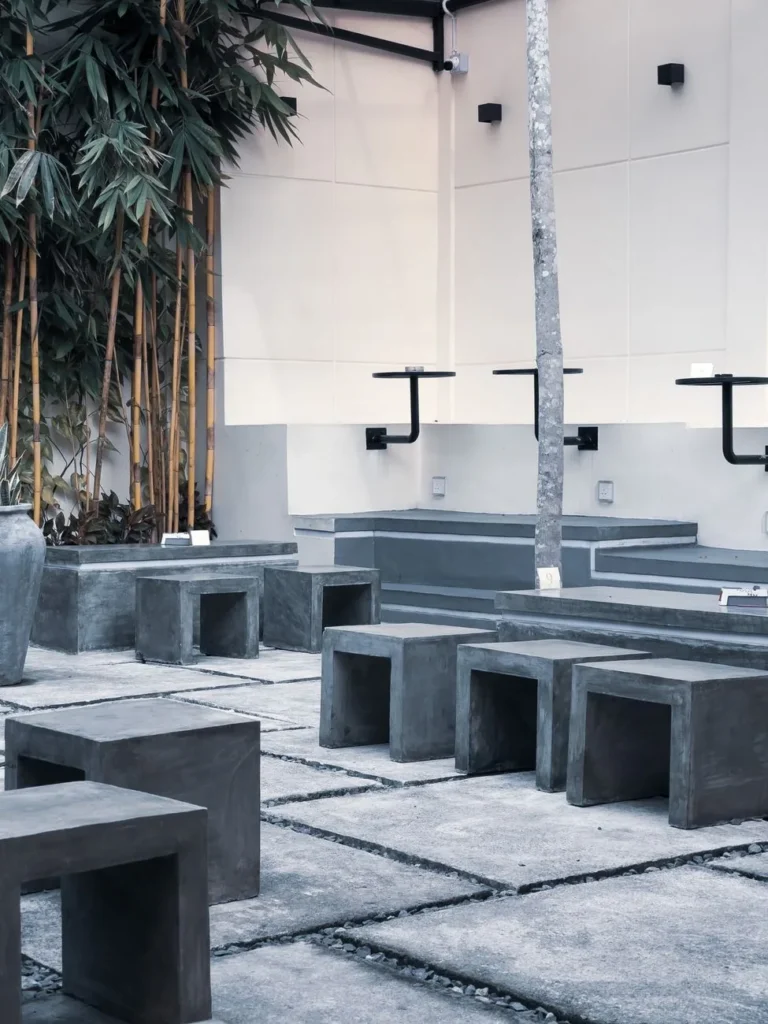
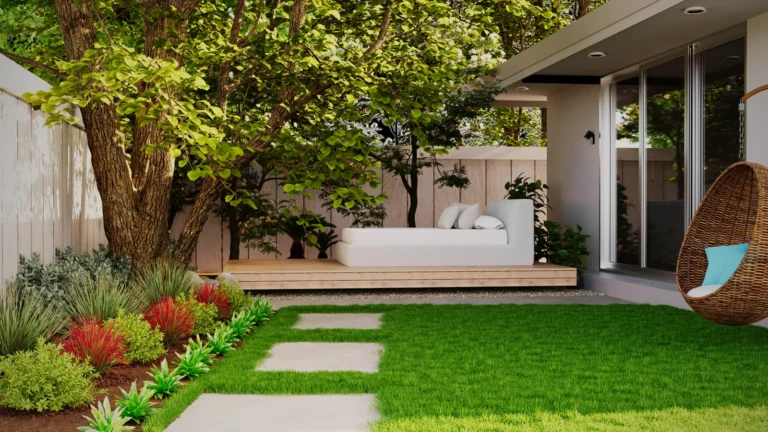
In many xeriscapes, hardscape does the heavy lifting. A paver patio, a flagstone path, or a stacked-stone retaining wall covers ground that would otherwise need water and mowing. That shifts budget from irrigation to structure — and structure ages better.
If you are weighing patio materials, the paver patio vs. stamped concrete question matters here: pavers let rainwater drain between the joints into the soil below, which feeds nearby plants and recharges groundwater. Poured concrete sheds almost everything. For a water-conscious yard, permeable pavers are usually the smarter call.
4. Layer Mulch Like It’s Part of the Design
Mulch is the unsung workhorse of xeriscaping ideas. A 3- to 4-inch layer of shredded bark, wood chips, or rock mulch cuts evaporation dramatically and keeps soil temperatures down in hot months.
- Organic mulch (bark, wood chips, cocoa hulls) feeds the soil as it breaks down; plan to top it up every year or two.
- Rock mulch (pea gravel, crushed stone) lasts years longer but holds heat, so keep it away from heat-sensitive plants in full sun.
- Compost top-dressing works under shrubs and perennials where you want the soil active.
5. Design in Hydrozones
Group plants by water need. Put the thirsty things — a shade tree, a few ornamental shrubs — near the house where a drip line can reach them easily. Put the tough, self-sufficient plants at the far edge of the yard where they get only rain.
This is called hydrozoning, and it is what makes drip irrigation pay off. Instead of one sprinkler blasting everything on the same timer, you run separate emitter lines per zone and water each group only what it needs.
How Much Does Xeriscaping Cost?
The honest answer is that a xeriscape often costs more upfront than grass and less forever after. When you hire out the work, expect these ranges:
| Line Item | Small / DIY | Pro-Installed |
|---|---|---|
| Turf removal & disposal | $0.50–$2 per sq ft | $1–$3 per sq ft |
| Gravel & rock | $2–$5 per sq ft | $6–$12 per sq ft |
| Drip irrigation system | $300–$800 total | $1,500–$3,000 total |
| Drought-tolerant plants | $3–$15 each | $15–$40 each installed |
| Hardscape (patio/path) | $8–$15 per sq ft | $15–$30 per sq ft |
A modest 1,000-square-foot conversion typically lands between $8,000 and $20,000 when a pro does the whole thing, with gravel beds and plantings on the lower end and hardscape-heavy designs on the higher end. For context on what the surrounding work runs, see our breakdown of landscaping cost and the numbers behind a backyard landscaping cost project.
The payback is where xeriscaping wins. Depending on local water rates, you can often recover the cost in 5 to 10 years in water savings alone — faster in dry Western states with tiered rates that penalize heavy outdoor use. Some utilities, including Denver Water and many California and Arizona districts, still offer rebates of $1 to $3 per square foot of turf removed.
Choosing Plants That Actually Survive
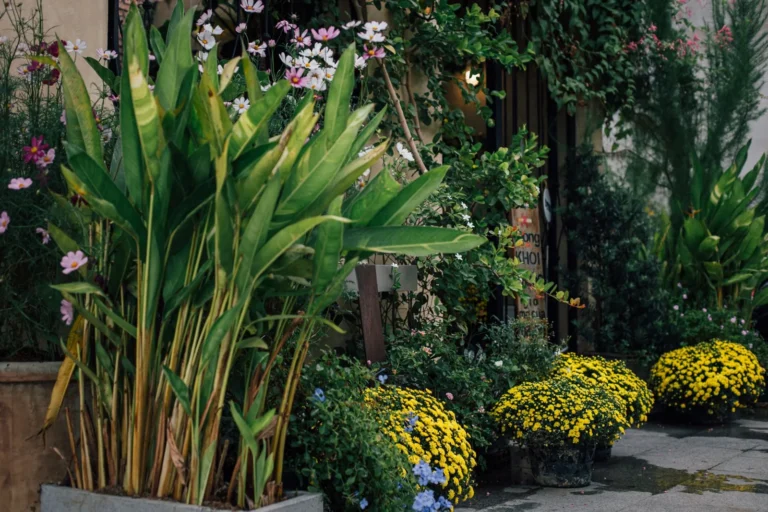
Plant choice decides whether your xeriscape looks lush or just looks empty. Match plants to your region’s natural rainfall rather than fighting it.
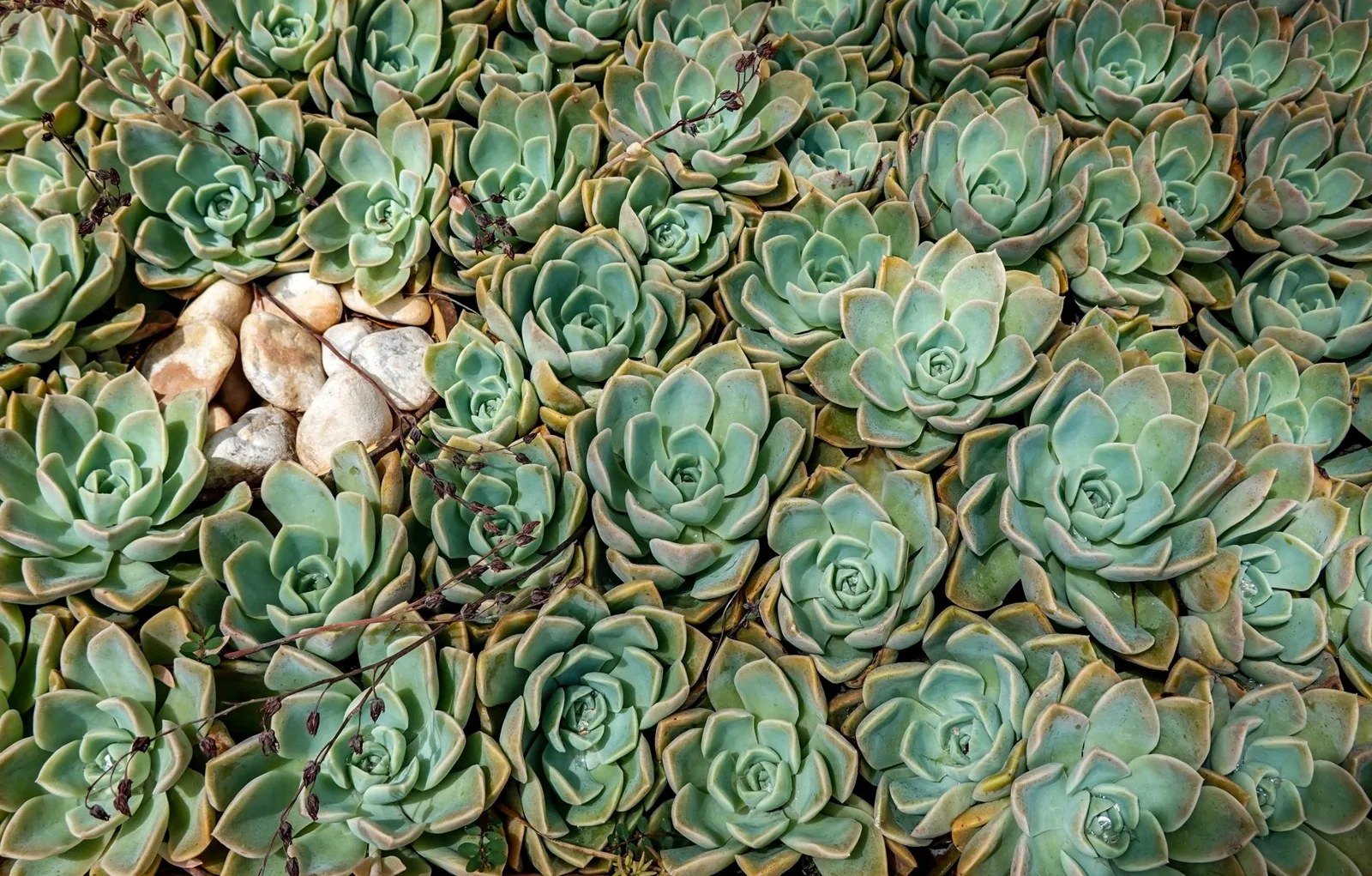
Photo by Magda Ehlers via Pexels
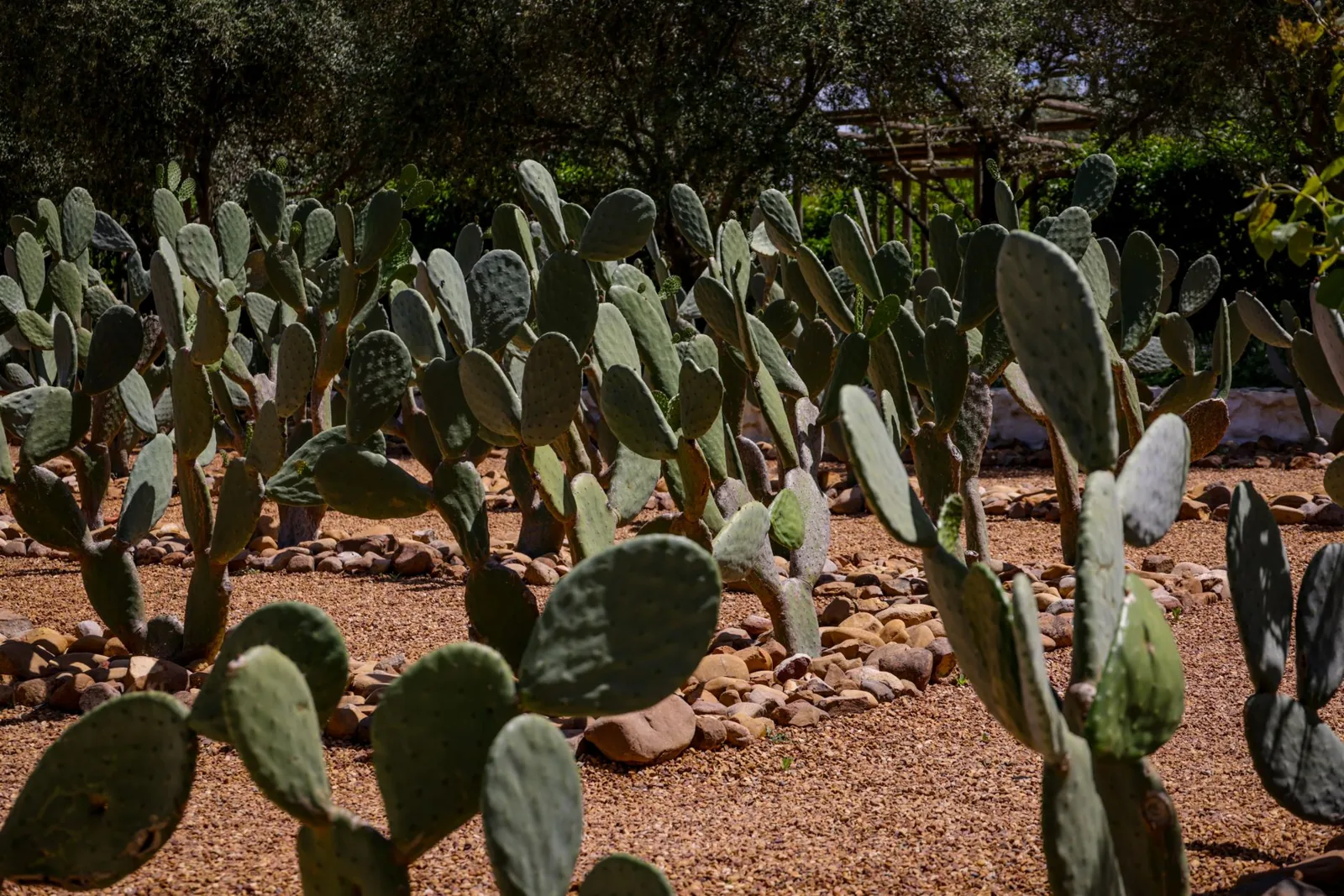
Arid Southwest (USDA zones 8–11): agave, yucca, red yucca, penstemon, salvia, lantana, desert marigold, and ornamental grasses like blue grama.
Mediterranean / coastal California (zones 8–10): lavender, rosemary, California poppy, ceanothus, manzanita, and olive trees.
High desert & Mountain West (zones 4–7): Russian sage, blanket flower, coneflower, sedum, ice plant, and buffalo grass for surviving lawn areas.
Humid South & Southeast (zones 7–9): black-eyed Susan, coreopsis, switchgrass, muhly grass, and vitex — these need less water than turf but still handle humidity.
For a lawn alternative that uses no water at all and stays green year-round, artificial turf cost is worth a look, especially for small front yards or play areas where you want the look of grass without the irrigation.
Xeriscape Design Mistakes That Cost You Later
Even good xeriscaping ideas go sideways without a few guardrails:
- Over-planting the first year. New plants need regular water to establish roots, usually for the first one to two seasons. Budget for that establishment watering, or budget for dead plants.
- Skimping on soil prep. Clay soil sheds water; sandy soil lets it vanish. Amending with 2 to 3 inches of compost before planting is the cheapest water-saving step in the whole project.
- Ignoring slope. On a hill, plant in slight depressions (swales) so water pools briefly around roots instead of running to the sidewalk.
- Using landscape fabric everywhere. Fabric is useful under gravel paths but stagnant under planting beds, where it traps heat and blocks the soil’s natural exchange.
- Zero hardscape budget. A yard that is all plants and gravel can look sparse in winter. Meaningful hardscape — a patio, a path, a low wall — carries the design when plants go dormant. Our guide to hardscaping cost breaks down what those anchors run.
Frequently Asked Questions
Is xeriscaping the same as zero-scaping?
No. Zero-scaping usually means a yard stripped to rock, often over compacted soil with no or few plants — a heat trap that still grows weeds. Xeriscaping is a designed, plant-based system that reduces water use while keeping living plant material as the centerpiece.
Will a xeriscaped yard lower my home’s value?
Generally the opposite in drought-prone areas. A tidy, layered xeriscape can cut water bills, reduce maintenance, and appeal to buyers who do not want a lawn to babysit. The key is that it has to look designed and maintained, not neglected.
How much water can I actually save?
Most studies and municipal programs cite 50 to 75 percent outdoor water savings once plants are established, compared with a conventional lawn on sprinkler irrigation. The EPA’s WaterSense program estimates that outdoor watering can account for as much as 60 percent of a home’s summer water use — which is precisely the slice a well-designed xeriscape shrinks.
Do I have to remove all my grass?
No. Keeping a small lawn area for kids or pets is a common, sensible compromise. The goal is to shrink turf to the space that earns it, not erase every square foot.
How long until a xeriscape looks mature?
Expect one to two seasons for plants to establish and fill in. The first year often looks thin; by year three, most xeriscapes have settled into their intended look.
The Bottom Line
Xeriscaping ideas are about deciding which parts of your yard are worth watering — and designing the rest to take care of itself. Shrink the turf, anchor the design with gravel and hardscape, group plants by water need, and mulch everything. The upfront cost is real, but so is the payoff: lower water bills, less mowing, and a yard that still looks full in August.
Start small if the full conversion feels steep. Convert the parking strip or a single side yard this season and watch how it performs through its first summer. You will learn your soil, your sun, and your water rates in the cheapest way possible — on a small patch, not the whole yard. From there, scale up with confidence.
For a deeper look at where your money goes on a project like this, see our full landscaping cost guide.