Hardscaping Cost: What You’ll Pay for Patios, Walkways, Walls & More
If you’re planning a patio, driveway, walkway, or retaining wall, the hardscaping cost is probably the first number you want nailed down before you sign anything. Most homeowners spend between $2,000 and $9,000 on a typical hardscape project, with simpler jobs like a short gravel path landing closer to $1,000 and multi-feature outdoor living builds topping $30,000. Where your project falls depends almost entirely on three things: the material, the square footage, and whether you hire a pro or do it yourself.
Hardscaping covers the non-plant parts of your landscape — the stone, concrete, brick, and wood features that give your yard structure and function. Because these materials are heavy, labor-intensive, and often require excavation and a level base, labor usually makes up 50% or more of the total bill. That’s a key reason the same paver patio can cost $1,000 in materials and $4,000 installed.
Below, I’ve broken down real price ranges by project and material, explained what actually moves the number up or down, and listed the places where you can trim costs without ending up with a patio that shifts and cracks in two years.
How Much Does Hardscaping Cost on Average?
As a broad starting point, most residential hardscaping work falls in these ranges:
- Patios: $3,000–$8,000 for a typical 200–400 sq ft patio
- Walkways and paths: $1,500–$5,000, depending on length and material
- Retaining walls: $3,000–$9,000 for a wall 20–40 ft long and 3–4 ft tall
- Driveways: $5,000–$15,000 for pavers or stamped concrete
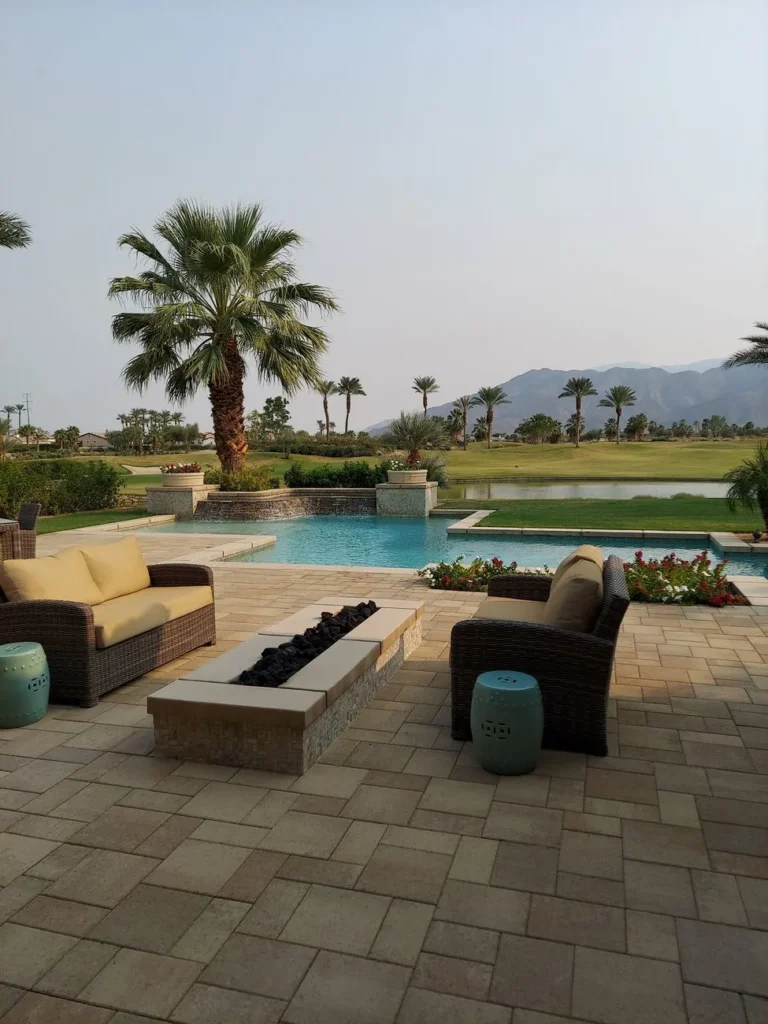
- Fire pits and outdoor kitchens: $500–$2,500 for a basic fire pit; $6,000–$20,000+ for a full kitchen
Per square foot, the range is just as wide. Basic gravel and concrete run $5–$12 per sq ft, mid-range pavers run $12–$25 per sq ft, and premium natural stone like flagstone or bluestone runs $15–$40 per sq ft. Retaining walls, because they need reinforcement, drainage, and a solid footing, rarely come in under $25 per sq ft and often exceed $50 per sq ft when built from ledger stone or engineered block with a decorative cap.
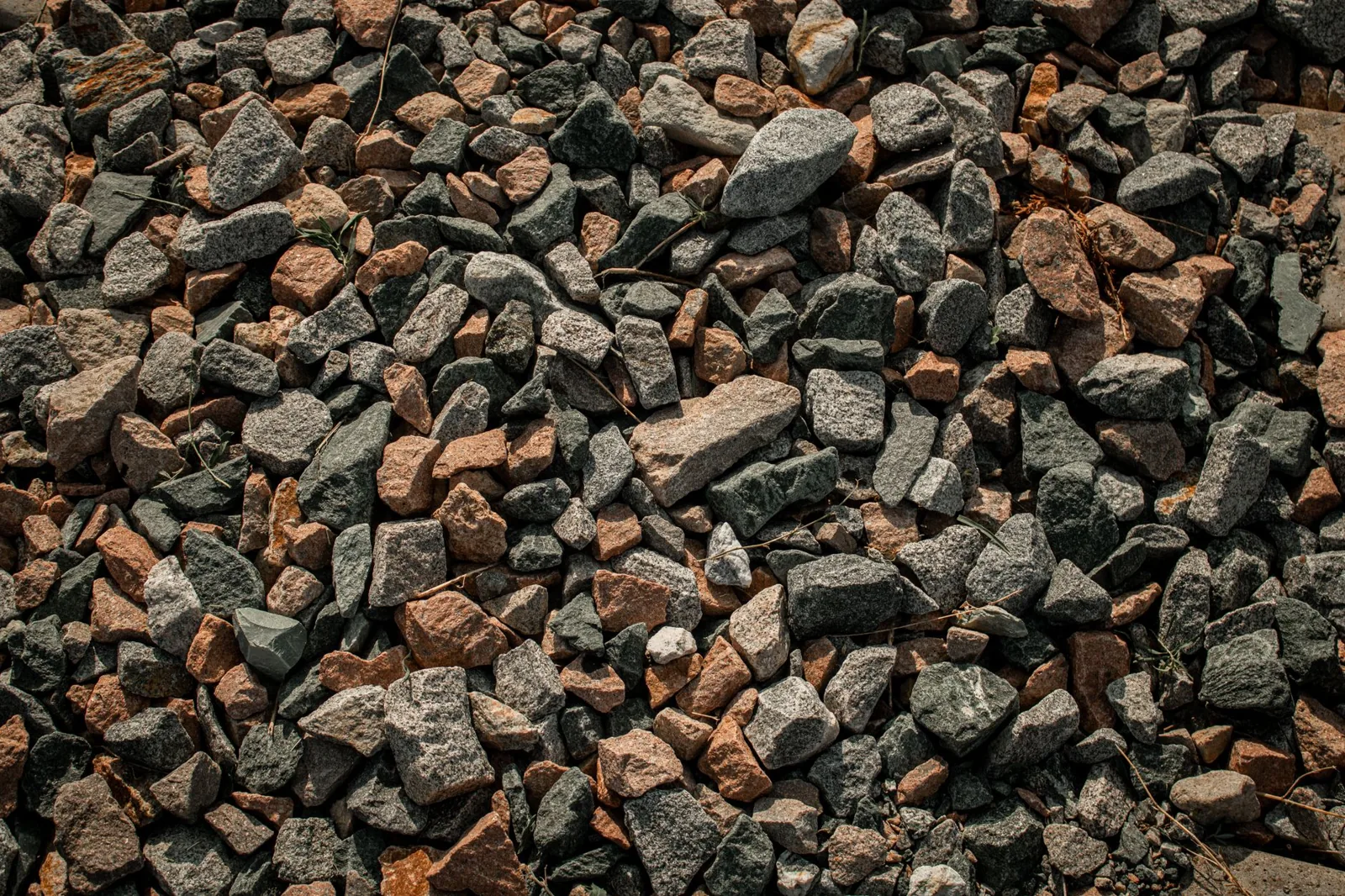
Photo by Aynur Latfullin via Pexels
Hardscaping Cost by Material
Material choice is the single biggest lever you can pull on price. Here’s how the most common options compare for an installed patio, per square foot, including labor:
| Material | Installed Cost (per sq ft) | Best For | Notes |
|---|---|---|---|
| Gravel / crushed stone | $5–$12 | Paths, patios, drainage | Cheapest; shifts over time |
| Poured concrete | $5–$12 | Patios, driveways | Durable, low-cost, plain look |
| Stamped concrete | $8–$20 | Patios, driveways | Concrete with a stone look |
| Concrete pavers | $12–$25 | Patios, walkways | Repairable, many styles |
| Flagstone / bluestone | $15–$40 | High-end patios, paths | Premium look, premium price |
| Brick | $12–$25 | Walkways, edging | Classic, labor-heavy to lay |
| Retaining wall block | $25–$50+ | Retaining walls, borders | Needs footing + drainage |
If you’re weighing pavers against stamped concrete for a new patio, the two look similar from a distance but behave very differently over time — pavers are individually replaceable if one cracks, while stamped concrete is one continuous slab. For a deeper comparison, see paver patio vs. stamped concrete. And if you know you want pavers, get itemized pricing in our paver patio cost guide.
Gravel, Concrete, and Other Budget Options
Gravel is genuinely the cheapest route to a usable patio or path. A 200 sq ft gravel patio can cost $1,000–$2,400 installed, and a well-graded base with a border of steel or pressure-treated timber keeps the stones from escaping into the lawn. The trade-off is maintenance — gravel drifts, weeds push through, and furniture legs sink unless you add a stabilizer grid.
Poured concrete is the next step up and the most common patio material in the US for a reason. A 300 sq ft slab typically runs $1,500–$3,600, and with proper curing and a broom finish it lasts 25–30 years with almost no upkeep. The cost climb happens when you add color, stamping, or exposed aggregate.
What Drives Hardscaping Cost Up or Down?
Beyond the material itself, four factors explain most of the variance between two quotes for what looks like the “same” job.
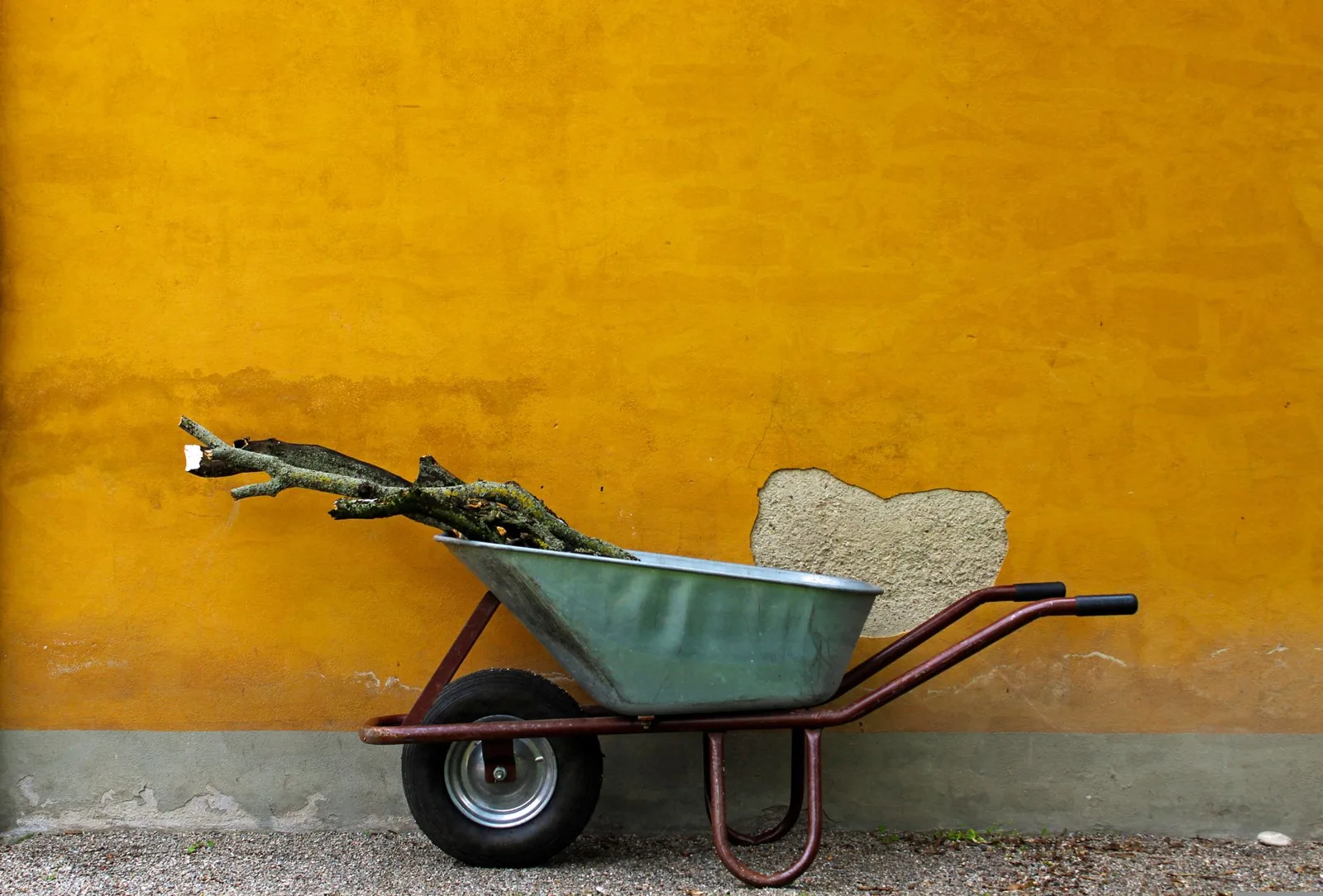
- Site prep and excavation. If your yard is flat, well-drained, and clear of roots or old concrete, prep is fast. If the crew has to remove an existing slab, haul in fill, or cut through tree roots, expect $3–$8 more per square foot and extra dump fees.
- Access. A crew that can back a skid steer right up to the site works fast. A fenced backyard with a tight gate means hand-carrying stone and material, which adds hours and labor cost.
- Base and drainage. A proper base (4–6 inches of compacted gravel plus an inch of sand for pavers) is non-negotiable in freeze-thaw climates. Skipping it saves money now and guarantees heaving later. Retaining walls taller than 3–4 ft often require a permit and an engineered design.
- Finishes and extras. Borders, inlays, lighting, steps, and a built-in seating wall each add hundreds to thousands. A simple project with clean edges is where the savings are.
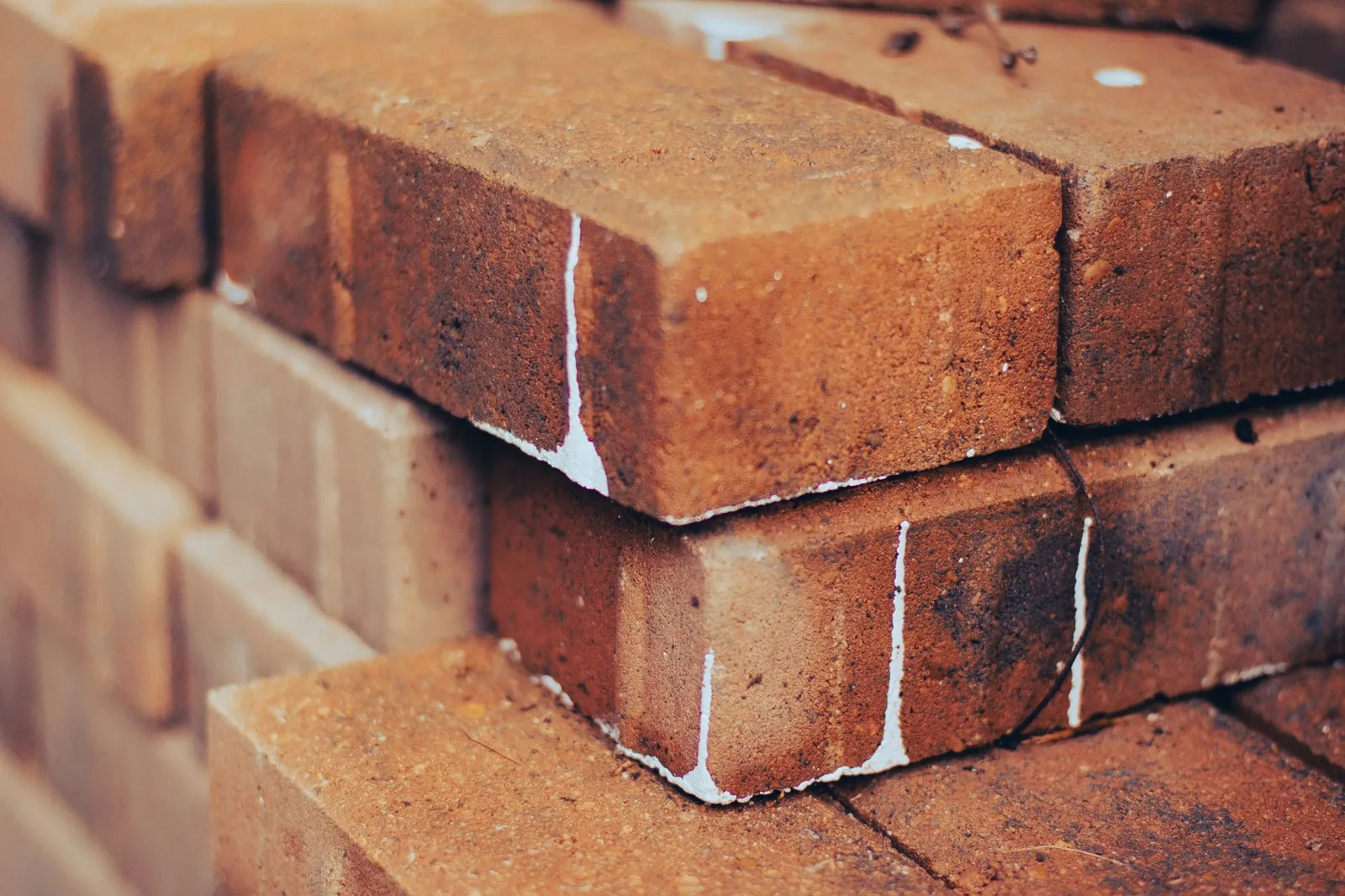
Photo by Steve A Johnson via Pexels
Hardscaping Cost: DIY vs. Hiring a Pro
DIY can cut your hardscaping cost by half or more, because labor is often 50–60% of the quote. On a $5,000 paver patio, that means roughly $2,000–$2,500 in materials if you do the digging, grading, and laying yourself.
That said, hardscaping is one of the most punishing DIY projects out there. Here’s what you’re really signing up for:
- Excavating the site depth plus base — a 300 sq ft patio means hauling out several tons of soil, then hauling in several tons of gravel and sand.
- Compacting every 2–3 inches of base with a plate compactor (rentable, but heavy).
- Cutting pavers or stone for edges, which means renting a wet saw and accepting that you’ll ruin a few pieces learning.
- Physical labor that can span several weekends, with the project half-finished in between.
The honest short version: gravel paths, small paver patios under 150 sq ft, and simple flagstone stepping stones are reasonable DIY territory if you’re fit and patient. Retaining walls over 2 ft, large patios, and anything involving concrete pours or heavy blocks are worth hiring out. A botched retaining wall doesn’t just look bad — it can fail and damage your property, which is why many areas require a permit and inspection for walls over 3–4 ft.
For context on what a professional landscaping project costs end to end, see our landscaping cost guide and the backyard landscaping cost breakdown.
How to Save on Hardscaping Costs
You don’t have to settle for a smaller vision to spend less. These moves reliably trim the bill:
- Get three, preferably four, written quotes. Hardscape pricing varies wildly by region and contractor pipeline. This step alone often surfaces a 20–30% spread.
- Time it for the off-season. Late fall through early spring is slower for hardscape crews in most regions, and some will discount to keep their schedule full.
- Phase the project. Do the patio this year, the fire pit and lighting next year. Keep the design so each phase stands alone.
- Mix materials. Use pavers or stone for the visible field, and gravel for side paths or a secondary area.
- Keep the shape simple. Curves and odd angles mean more cuts and more waste. A clean rectangle or a gentle arc keeps labor down.
- Reuse what you have. Existing concrete in good shape can often be cleaned, resurfaced, or overlaid for a fraction of replacement cost.
For authoritative cost ranges and material guidance, This Old House’s hardscaping coverage walks through real paver installations step by step, and Angi’s patio cost guide keeps a running national average worth checking against local quotes.
Frequently Asked Questions
How much does hardscaping cost per square foot?
Most hardscaping runs $5 to $40 per square foot installed, depending on material. Gravel and poured concrete sit at the low end ($5–$12), concrete pavers and brick in the middle ($12–$25), and natural stone like flagstone or bluestone at the high end ($15–$40). Retaining walls cost more because of the footing, reinforcement, and drainage they require.
What is the cheapest hardscape material?
Gravel and crushed stone are the cheapest, at roughly $5–$12 per square foot installed. Poured concrete is the cheapest solid surface. Both can look sharp with clean edging, but gravel needs periodic raking and topping up, while concrete needs sealing every few years where winters are harsh.
Is hardscaping worth the investment?
For most homeowners, yes. Hardscaping expands usable living space, cut downs on muddy, patchy lawn you have to maintain, and consistently ranks among the highest-return exterior improvements at resale. A well-built patio or walkway also lasts decades — far longer than most planting or turf work.
How long does a hardscape project take?
A small paver path or patio can be finished in 2–4 days. A mid-size paver patio or walkway with proper excavation, base, and compaction typically takes 3–5 days. Retaining walls, driveways, and projects with multiple features can run 1–3 weeks, with weather and permit inspections adding time.
Do I need a permit for hardscaping?
It depends on your municipality and the scope. Most simple patios and walkways don’t need one, but retaining walls over about 3–4 ft high, large impervious additions that affect drainage, and sometimes even driveways do. Always check with your local building department before you commit — failing a required permit can mean tearing the work out.
The Bottom Line
Hardscaping cost spans a wide range — from a few hundred dollars for a gravel path to $20,000 or more for a full outdoor kitchen and paver driveway — but the pattern is predictable: material and labor split roughly 50/50, and square footage multiplied by a $12–$25 per-sq-ft rate covers most mid-range patio and walkway jobs.
Get multiple quotes, understand exactly what’s in the base price (excavation? disposal? sealing?), and don’t let anyone skip the gravel base to “save you money.” A properly built patio or retaining wall should last 25 years or more, which makes it one of the better places to put your exterior budget.
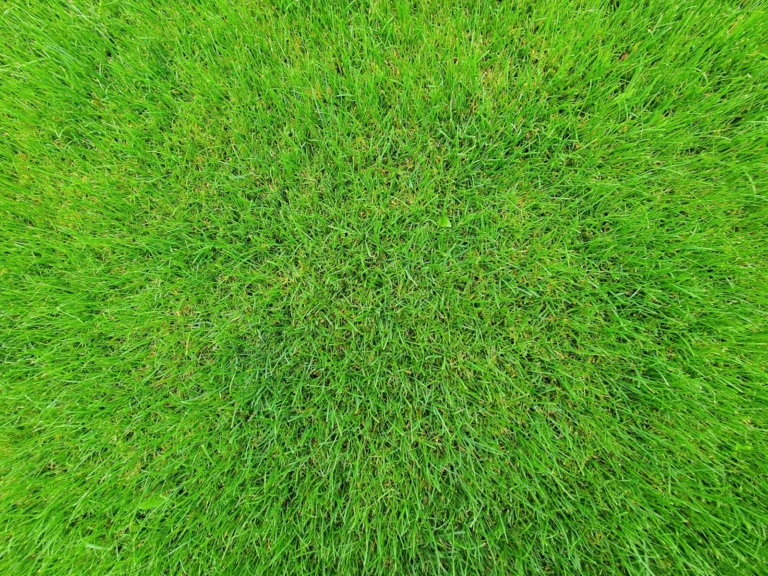
Ready to plan yours? Start with our paver patio cost guide to price the surface you want, then compare artificial turf vs. sod for the softscape that surrounds it.