Drought Tolerant Landscaping Ideas for a Low-Water Yard
A thirsty lawn is the single biggest water consumer in most suburban yards. In dry summers across the western US and Australia, and increasingly in the UK and Canada, keeping turf green means running sprinklers for hours a week. Drought tolerant landscaping ideas swap that cycle for plants and materials that look good on very little water — often a fraction of what a lawn demands.
The payoff is concrete. According to the EPA, outdoor irrigation accounts for nearly 30% of residential water use, and much of it is wasted on overwatering. A well-designed low-water landscape can cut that outdoor consumption by 50% to 75%, which shows up directly on a quarterly water bill.
This article walks through practical drought tolerant landscaping ideas, the plants and hardscape materials that anchor them, and what each approach costs per square foot — so you can plan a yard that survives a dry spell without turning brown.
Why a Low-Water Landscape Pays Off
The case for rethinking a water-hungry yard goes beyond the monthly bill, though that part is compelling on its own. In many municipalities, outdoor watering faces restrictions during summer, and a lawn that depends on irrigation simply cannot be kept green when the rules tighten.
A drought-tolerant landscape also reduces maintenance time. Native and arid-climate plants grow slower and need less mowing, edging, and fertilizing than turf. Less water, fewer chemicals, and lower upkeep mean the space keeps its structure through heat waves instead of degrading into bare patches.
Finally, a finished xeriscape tends to hold its look year-round. Gravel, stone, and structural evergreens do not go dormant the way a fescue lawn does. Homeowners who make the switch consistently report that the yard looks better in August than it did as a lawn.
6 Drought Tolerant Landscaping Ideas That Work
These ideas range from a full lawn replacement to small, high-impact changes you can complete in a weekend. Most combine well, and none of them require giving up color or texture.
1. Replace Lawn With Gravel and Planting Beds
The highest-impact move is removing turf entirely and replacing it with a mix of crushed gravel, mulch, and deep planting beds. This is classic xeriscaping. Gravel paths and open areas need no water at all, while the beds hold drought-adapted plants that survive on rainfall once established.
Expect to spend $10 to $25 per square foot for a professional lawn-to-xeriscape conversion. A typical 1,000-square-foot front yard lands between $10,000 and $25,000, though many cities offer rebates that offset a chunk of that cost. Check with your local water utility before you start — programs in states like California and Arizona routinely pay $2 to $4 per square foot to remove turf.
2. Plant Ornamental Grasses and Succulents
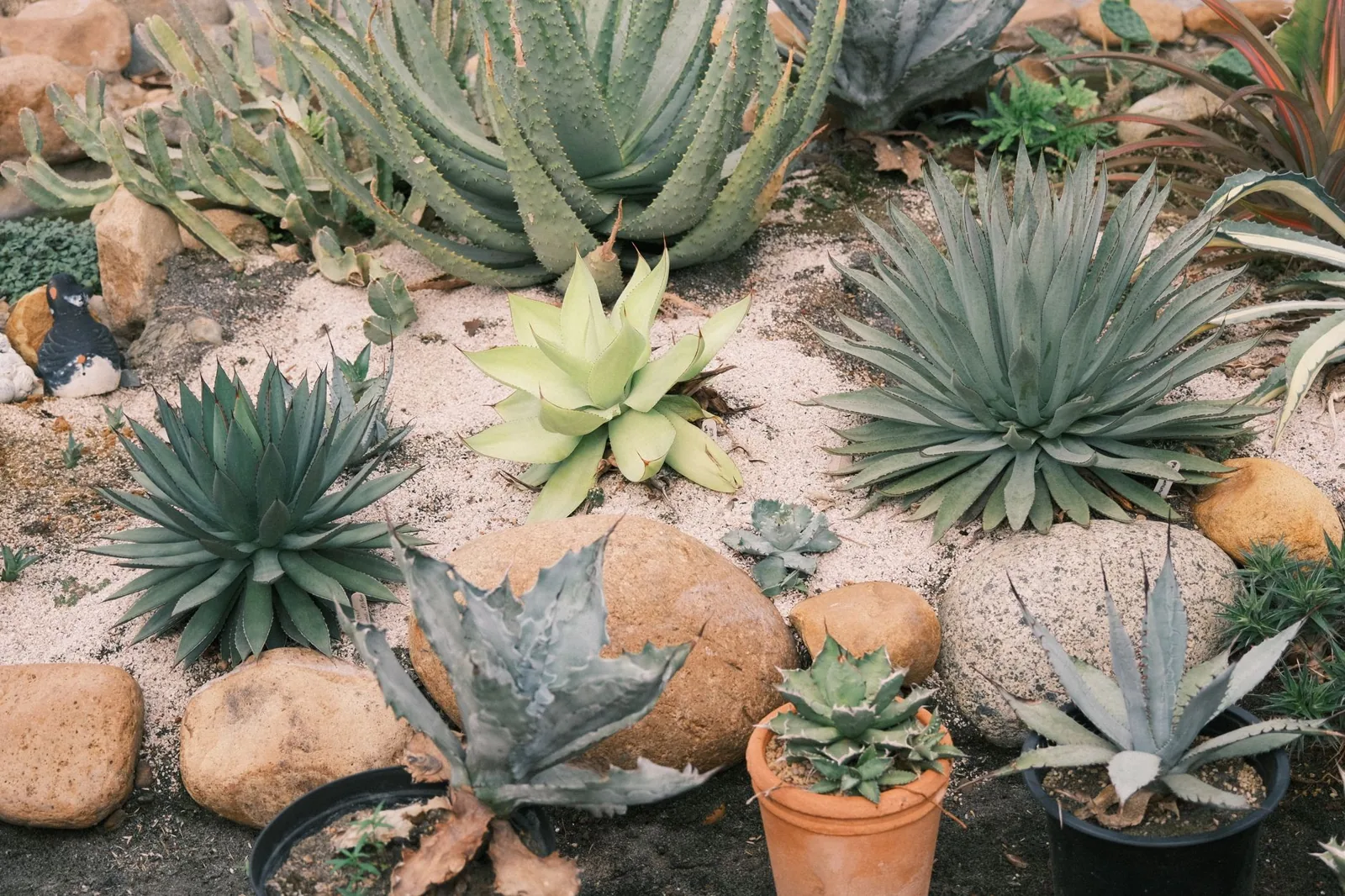
Ornamental grasses such as blue fescue, feather reed grass, and switchgrass provide movement and height with minimal water. Succulents like sedum, agave, and hens-and-chicks store moisture in their leaves and thrive in full sun with almost no attention.
A planting bed of these costs roughly $3 to $8 per square foot in materials when you do the work yourself, since most are sold as inexpensive plugs or small pots. Group plants by water need so a single drip line can serve the whole bed.
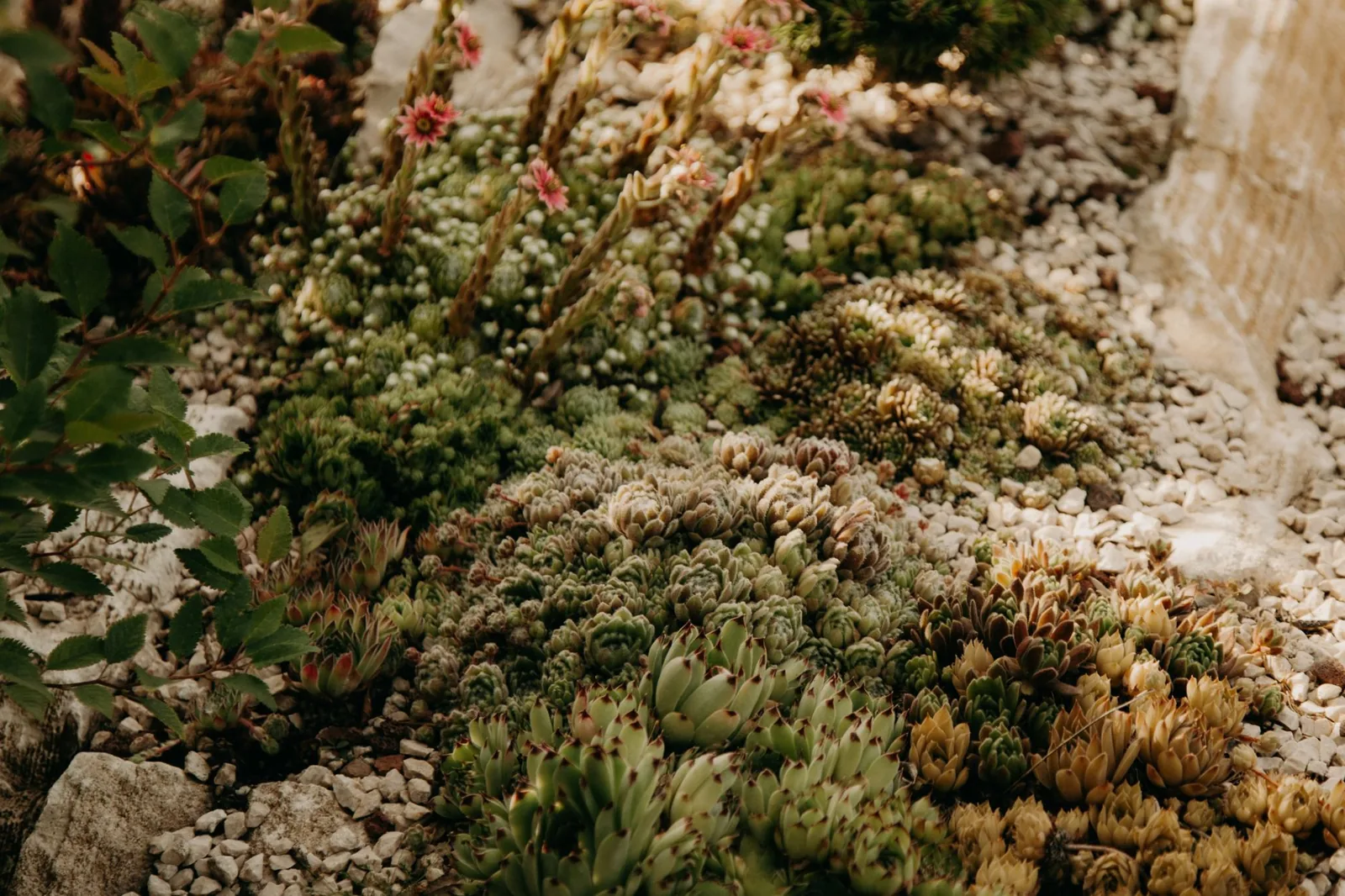
Photo by ROMAN ODINTSOV via Pexels
3. Layer Mulch Over Every Planting Bed
Mulch is the cheapest water-saving tool in landscaping. A 3-inch layer of shredded bark or wood chips slows evaporation, cools the soil, and suppresses weeds that would otherwise compete for moisture. It also breaks down into organic matter that helps sandy soil hold water longer.
Bulk mulch runs $30 to $60 per cubic yard delivered, and one cubic yard covers about 100 square feet at 3 inches deep. Refreshing mulch annually is a $150 to $300 job for an average yard — a fraction of what watering that same area all summer would cost.
4. Use Permeable Hardscape for Patios and Paths
Instead of concrete that sheds rainwater into the street, permeable pavers and crushed stone let water soak into the ground where plants can use it. This pairs naturally with gravel-mulch beds and helps recharge the soil around trees and shrubs.
A paver patio typically runs $15 to $30 per square foot installed, while a simple crushed-gravel path costs just $2 to $6 per square foot. Pairing hardscape with planting beds creates usable outdoor space that needs no irrigation at all.
5. Install Drip Irrigation Instead of Sprinklers
When you do water, drip irrigation delivers it straight to the root zone at a slow rate, cutting evaporation and runoff dramatically compared with spray heads. Drip uses 30% to 50% less water for the same plantings.
A DIY drip kit for a few garden beds runs $50 to $150 at most home centers, while a pro-installed system for a full yard costs $1.50 to $3 per square foot. Add a smart timer that skips watering after rain and the savings compound.
6. Build a Rock Garden With Native Plants
Rock gardens use stone, gravel, and low-growing natives to create a striking feature that essentially waters itself. Plants like creeping thyme, ice plant, and native penstemon tuck between boulders and bloom reliably through hot, dry stretches.
Material costs for a rock garden run $8 to $20 per square foot depending on stone choice, with flagstone and decorative boulders pushing the price higher than gravel. It is a weekend-scale project that delivers immediate visual payoff with near-zero long-term water use.
Plants That Thrive Without Constant Watering
Choosing the right plants matters more than any other single decision, because the wrong species will demand water no matter how well you build the bed. Focus on natives and Mediterranean or arid-climate species adapted to your region.
- Succulents and cacti: agave, sedum, hens-and-chicks, echeveria — virtually no water once established.
- Ornamental grasses: blue fescue, switchgrass, Mexican feather grass, little bluestem.
- Drought-tolerant perennials: lavender, Russian sage, coneflower, salvia, yarrow, coreopsis.
- Groundcovers: creeping thyme, sedum, ice plant, woolly thyme — these double as living mulch.
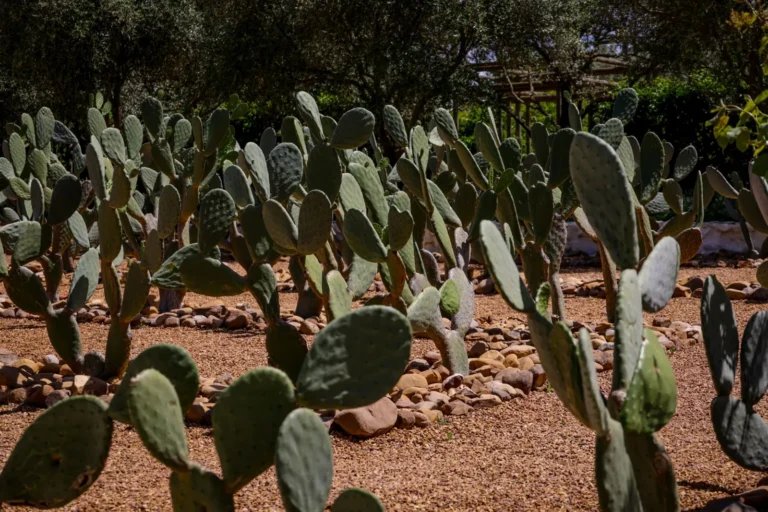
- Shrubs and small trees: manzanita, juniper, oleander, chaste tree, dwarf palmetto in warmer zones.
Every drought-tolerant plant still needs regular water during its first one to two seasons while roots establish. After that, most listed species survive on rainfall alone in zones where they are native.
What a Drought-Tolerant Landscape Costs
Costs vary by how much hardscape you install and whether you do the work yourself. The table below compares the most common approaches per square foot.
| Feature | Gravel/Mulch Beds | Paver Patio | Artificial Turf |
|---|---|---|---|
| Material cost | $1–$5/sq ft | $8–$15/sq ft | $3–$8/sq ft |
| Installed cost | $8–$15/sq ft | $15–$30/sq ft | $6–$12/sq ft |
| Water needed | None | None | Occasional rinse |
| Lifespan | Long (top up mulch) | 25–50 years | 15–20 years |
| Best for | Open beds, paths | Seating, walkways | Lawn look, no mowing |
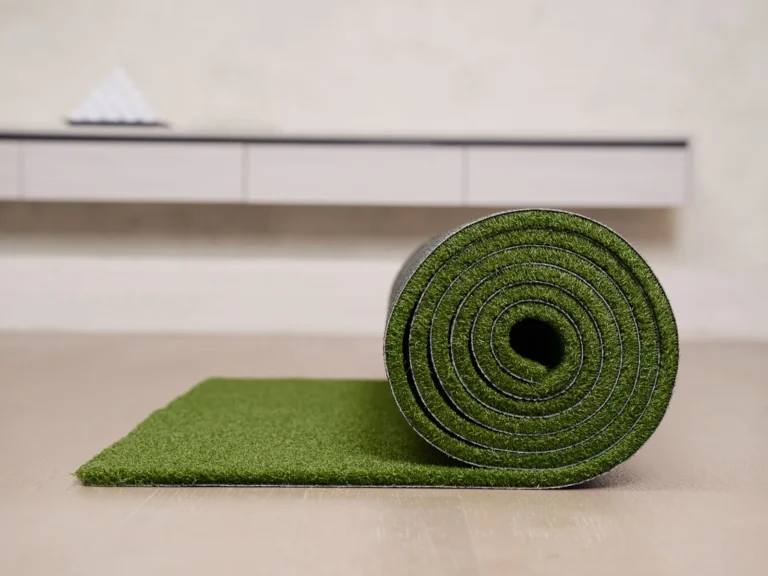
If keeping the look of a lawn matters to you, artificial turf is worth a look — it eliminates watering and mowing entirely while reading as green lawn year-round. The trade-off is heat in full sun and a higher upfront cost than gravel.
Overall, expect a full drought-tolerant redesign to run $8 to $25 per square foot depending on hardscape, plants, and labor. Compare that against keeping turf, which costs $500 to $1,500 a year in water, mowing, fertilizer, and seed across a typical yard — and a conversion often pays for itself within a decade before rebates.
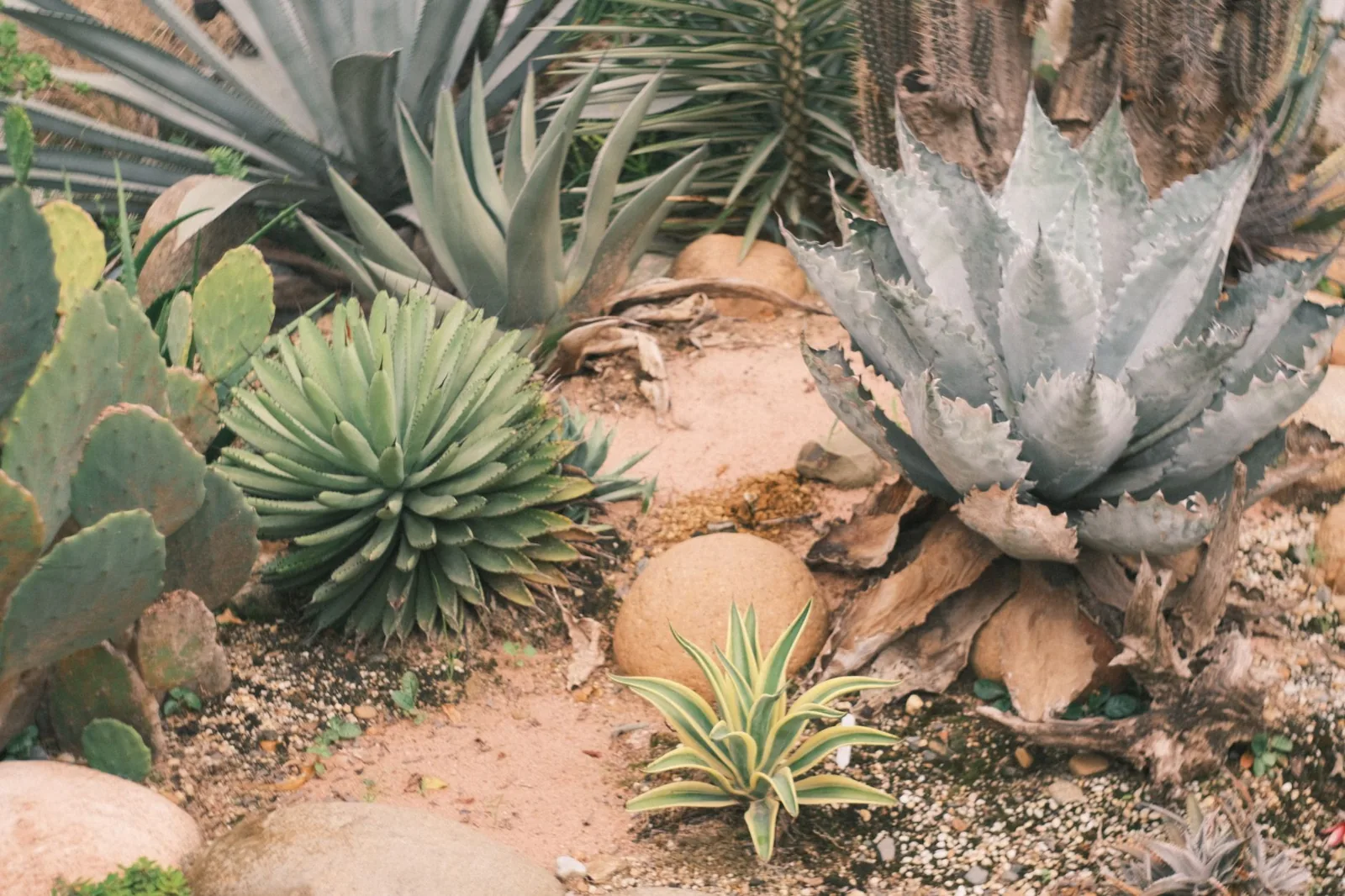
Photo by Pexels via Pexels
Hardscape That Saves Water by Design
Hardscape is the structural half of a water-wise yard, and it does more than replace lawn. Permeable surfaces, retaining walls, and stone planters all reduce the area that needs irrigation while adding usable space.
Retaining walls and raised planters made from stacked stone or concrete block create planting pockets that hold moisture better than flat ground. A retaining wall runs $25 to $75 per square foot installed, so it is a bigger investment best reserved for sloped yards where it also solves erosion.
For flat yards, the money often goes further into a paver patio or walkway, which delivers an outdoor room with zero water demand. Adding hardscape also raises resale appeal, since hardscaping consistently ranks among the highest-return outdoor improvements. If the budget is tight, start with paths and defer walls — every square foot of stone you lay is a square foot you never water again.
When you plan the hardscape, think about drainage first. Direct runoff from roofs and patios toward planting beds rather than the storm drain, and you turn rain into free irrigation. Dry creek beds built from river rock do double duty here, carrying water away from the foundation while looking intentional during dry months. For more on budgeting these elements, see our breakdown of hardscaping costs.
Frequently Asked Questions
What is the best drought-tolerant ground cover?
Creeping thyme and sedum are the two most reliable low-water groundcovers. Thyme tolerates foot traffic and releases a pleasant scent, while sedum spreads quickly and needs almost no soil. Both cost about $3 to $6 per square foot planted from plugs.
How much water can a xeriscape actually save?
A mature xeriscape typically uses 50% to 75% less outdoor water than a traditional lawn, according to the EPA and regional water authorities. For a home spending $800 a year on outdoor irrigation, that is $400 to $600 back annually.
Do drought-tolerant plants still need any water?
Yes, especially in the first one to two years while roots establish. Plan for deep, infrequent watering during that window, then taper off. Most established native and arid plants survive on rainfall alone in their adapted zones.
Can I keep a small lawn and still save water?
Yes. Keep a modest patch of grass for kids or pets and convert the rest of the yard to beds, gravel, and hardscape. Even replacing half a lawn cuts the irrigated area and your bill meaningfully. A warm-season turf like buffalo grass or Bermuda needs far less water than Kentucky bluegrass.
Is drought-tolerant landscaping more expensive upfront?
It can be, mostly because of hardscape and plant materials. The trade-off is dramatically lower annual operating cost and maintenance. With water-utility rebates, many homeowners spend less on a xeriscape conversion than they expect, and the design generally pays for itself within 7 to 12 years.
For a plant-by-region guide, the U.S. EPA covers water-smart landscaping.
The Bottom Line
Drought tolerant landscaping ideas are less about giving things up and more about trading a high-maintenance lawn for a yard that holds up in the heat. Gravel beds, native plants, succulent gardens, and permeable hardscape all cut water use by half or more while looking better through the driest months of the year.
Start with the low-cost moves — a thick mulch layer, a drip system, and a test bed of drought-hardy plants — and expand as the results show. When you are ready to commit, replacing turf with a gravel-and-stone design and a paver patio delivers a yard that essentially manages itself.
The water savings compound every year, the rebates soften the upfront cost, and the curb appeal holds steady when the neighbors’ lawns are crisping in the sun. That is a landscape worth building toward.
Photo by Pexels via Pexels