Backyard Landscaping Cost: What a Full Yard Makeover Really Runs in 2025
A full backyard landscaping cost typically lands between $4,000 and $35,000, with most homeowners spending around $12,000 to $15,000 on a complete redesign of an average quarter-acre lot. Where your number falls depends less on square footage than on what you actually build: a fresh sod lawn edged with mulch beds costs a fraction of a job that adds a paver patio, a retaining wall, and outdoor lighting.
This guide breaks down real pricing for the projects that move the needle, so you can budget without getting blindsided by change orders. We’ll cover per-square-foot figures, where labor eats your budget, and the decisions that cut thousands off the final bill before you sign a contract.
What Drives Backyard Landscaping Cost
Four factors explain most of the spread between a $5,000 yard and a $30,000 yard. Understanding them is the difference between an accurate quote and a contractor’s optimistic ballpark.
- Materials: The gap between options is enormous. Seed costs pennies per square foot, while installed sod runs $1 to $2 per square foot and artificial turf lands between $8 and $15. Crushed stone paths are cheap; natural flagstone is not.
- Labor: Roughly 60% of a typical landscaping budget pays for labor. Grading, excavating, and hauling are expensive because they take crews and equipment, not because the materials cost much.
- Site condition: A flat, empty lawn is cheap to work on. Slope, clay soil, tree roots, poor drainage, or existing concrete that needs demolition all add hours—and money.
- Design scope: Retaining walls, irrigation, lighting, and drainage systems are infrastructure. They cost more to build but protect the softer elements of the yard from washing out or dying in year one.
Average Backyard Landscaping Cost by Project
Most backyard overhauls are a bundle of smaller projects. Here’s what each one cost, on average, in 2025 dollars.
| Feature | Typical Cost (Installed) | Notes |
|---|---|---|
| Sod installation | $1,200–$3,000 | $1–$2 per sq ft; cheap but needs water and mowing |
| Paver patio | $3,000–$8,000 | $15–$35 per sq ft depending on paver |
| Stamped concrete patio | $2,500–$6,500 | $8–$20 per sq ft; lower upkeep than pavers |
| Retaining wall | $3,000–$12,000 | $20–$50 per sq ft; engineering on taller walls |
| Sprinkler system | $2,000–$4,500 | Roughly $0.50–$1 per sq ft of yard |
| Landscape lighting | $2,500–$5,500 | Depends on number of fixtures, not yard size |
| Trees and shrubs | $700–$3,000 | Installed trees run $150–$1,000 each |
| Garden beds and mulch | $500–$2,000 | Low material cost, mostly labor |
A quick way to sanity-check any quote: focus on the hardscape line items, since those are where contractors make the most pricing mistakes. A paver patio or stamped concrete slab will often account for a third of the total by itself.
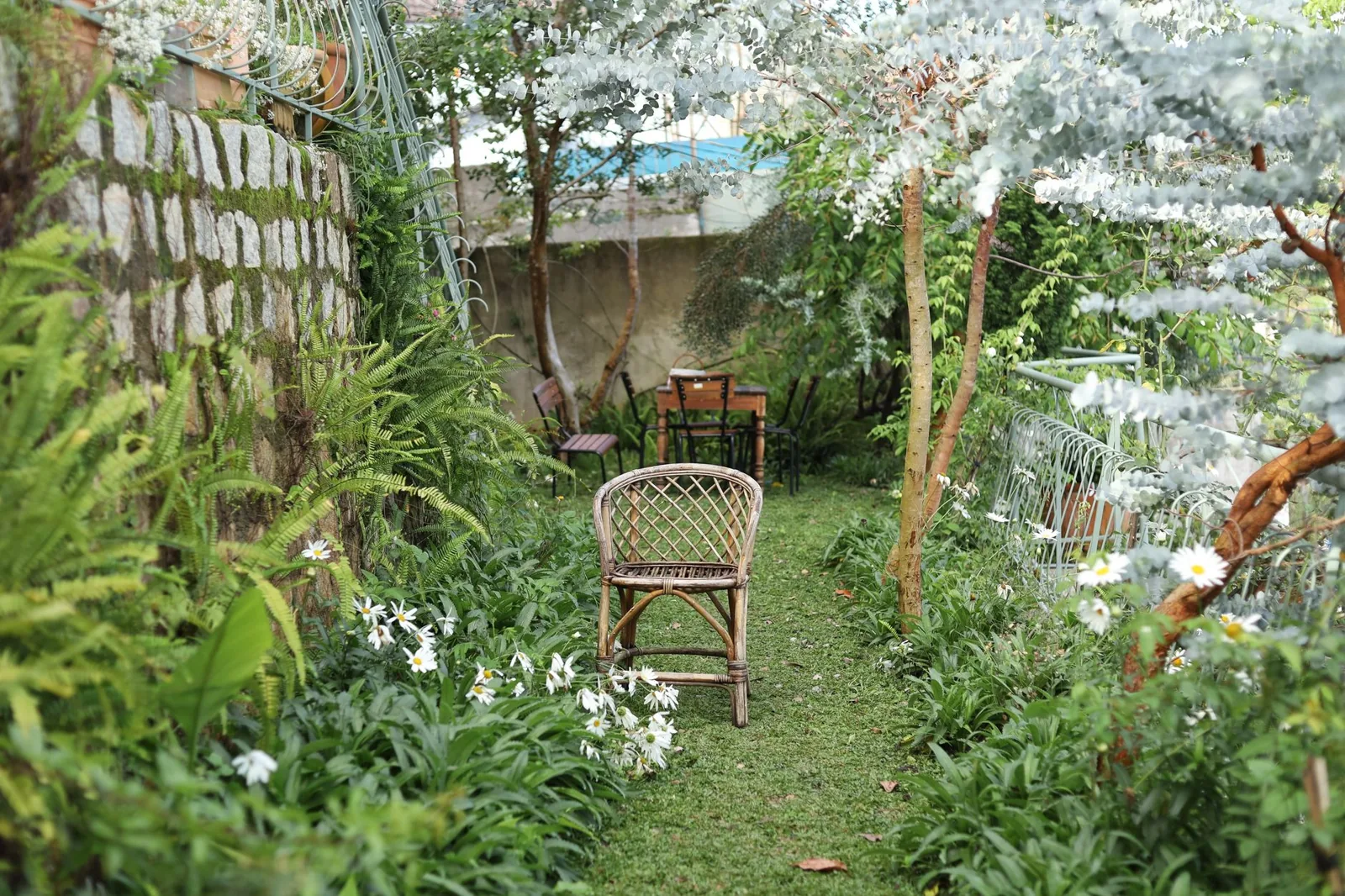
Photo by Đặng Thanh Tú via Pexels
Backyard Landscaping Cost per Square Foot
Contractors frequently quote landscaping by the square foot, which is useful for comparing bids but easy to misread. A “per square foot” number only makes sense when you know exactly what’s included.
Softscape: Lawns, Beds, and Plantings
Softscape work — grass, soil, plants, and mulch — lands between $4 and $8 per square foot for most yards. A basic job of a seeded or sodded lawn with simple perimeter beds sits near the bottom of that range. Move toward mature trees, stone edging, and specialty plantings, and you’re looking at $10 to $12 per square foot once labor is factored in.
Hardscape: Patios, Paths, and Walls
Hardscape is priced separately because the materials carry real cost. Installed pavers run $15 to $35 per square foot, stamped concrete $8 to $20, and natural stone $25 to $50. For planning purposes, assume a 400-square-foot patio will cost between $6,000 and $14,000 depending on the surface you pick. The full rundown of these numbers is in our hardscaping cost guide.
Landscaping vs. Hardscaping: Where the Money Goes
Hardscape delivers the most visible square-footage value, but softscape is what makes a yard feel finished. Most full designs split the budget roughly 60/40 in favor of hardscape for exactly that reason—patios and paths are permanent, high-use surfaces, while plantings are the repeatable, seasonal layer.
The tradeoff isn’t purely about looks. Hardscape rarely needs replacement for 25 years or more, which makes it the better long-term investment per dollar. Plantings mature and improve with time, but they also carry an ongoing water, fertilizer, and replacement cost that a paver patio simply doesn’t. Pair a modest hardscape foundation with a thoughtfully layered softscape, and you get most of the wow factor for a mid-tier budget. For a deeper look at how the two categories compare, start with our breakdown of landscaping costs.
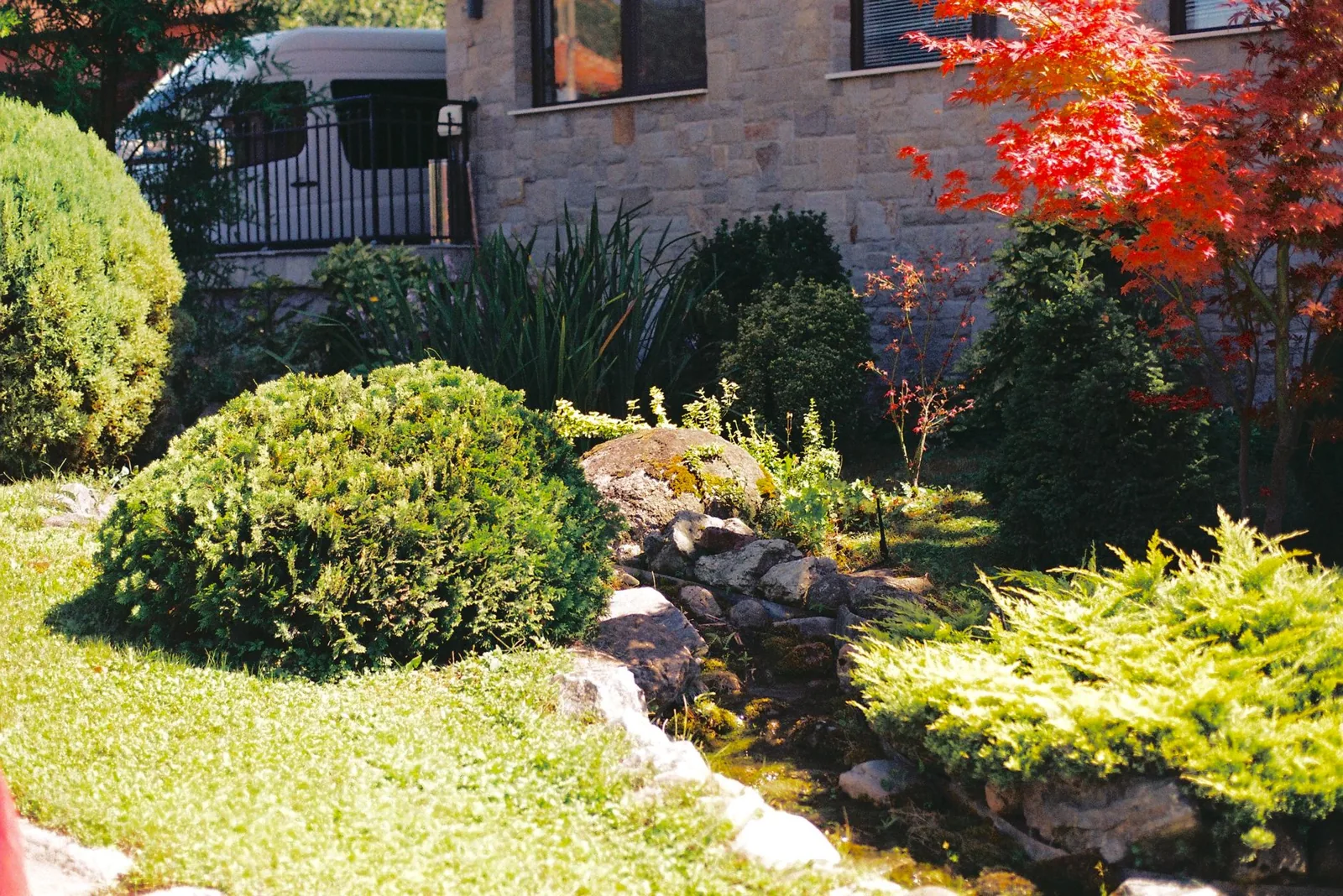
Photo by Takudzwa Munyoro via Pexels
How to Lower Backyard Landscaping Cost Without Cutting Corners
The cheapest yard is rarely the best value, but there are legitimate ways to trim the bill that don’t leave you redoing the work in eighteen months.
- Phase the project. Build the patio and drainage now, then add plantings and lighting next season. Splitting the job avoids financing costs and lets you adjust based on how you actually use the yard.
- Keep the existing layout. Moving utilities, regrading a slope, or relocating a mature tree is expensive. Design around what’s already there.
- Shrink the hardscape. Dropping a patio from 500 to 350 square feet saves thousands and rarely hurts usability. Every hardscape feature has a marginal cost that’s easy to balloon.
- Buy materials yourself where it makes sense. Pavers, mulch, and sod are commonly marked up 15–25% when sourced through the contractor. Ask for a line-item quote before you volunteer to haul anything.
- Time it right. Late summer and early winter are slow seasons for most landscapers. Scheduling then can net a 5–10% discount and a faster start date.
One cut to avoid: cheap drainage. A yard that puddles or erodes will destroy whatever you spent on top of it, and fixing drainage after the fact costs more than doing it right the first time.
DIY vs. Hiring a Professional
Doing it yourself can cut the labor portion — often half the total — but it’s not free money. The jobs worth taking on are the ones where mistakes are cheap and tools are basic.
Smart DIY Projects
Sod replacement, mulching, planting beds, and low garden paths are genuinely doable over a long weekend. You’ll save thousands, and a botched planting is fixed for the cost of a few new plants. Irrigation and lighting are borderline: kits have improved, but burying a sprinkler system correctly still takes a trencher and patience.
Projects to Leave to a Pro
Grading, retaining walls, paver patios, and anything involving drainage should go to a licensed contractor. These projects live or die on base preparation — a patio laid on an uncompacted base will shift within a year, and a retaining wall over four feet tall needs engineered, permitted plans in most jurisdictions. The cost of redoing one of these is typically double the cost of paying for it once.
For the gray area in the middle, pay for a design consultation even if you do the labor yourself. A few hundred dollars for a working plan avoids the most common DIY failure: building an expensive feature you never use because it was placed badly.
Frequently Asked Questions
How much does backyard landscaping cost per square foot?
Plan on $4 to $12 per square foot for a complete softscape overhaul, and $15 to $50 per square foot for hardscape surfaces like pavers, stamped concrete, and natural stone. A full design that blends both usually averages $8 to $15 per square foot across the yard.
Is backyard landscaping worth the investment?
Yes, in both directions. Landscaping regularly returns 100% or more of its cost in added resale value, according to trade surveys, and an upgraded patio or lawn is consistently one of the highest-margin curb-appeal projects a seller can do. Even ignoring resale, a finished backyard adds usable living space during warm months.
What is the most expensive part of backyard landscaping?
Hardscape — patios, paths, retaining walls, and decks — is almost always the largest line item. A single paver patio can exceed $8,000, dwarfing plantings and lawn work that might total $2,000 to $4,000 for the same job.
Can you landscape a backyard for $5,000?
A small or mid-sized yard, yes, if you prioritize. For around $5,000 you can typically do a sod or seed lawn replacement, refreshed beds with mulch, a handful of shrubs, and a modest paver path or compact patio. Full designs with retaining walls, lighting, and irrigation will run well past that.
How long does a backyard landscaping project take?
Most full backyard makeovers take one to three weeks of on-site work. Hardscape-heavy projects run longer because of excavation and curing time, while a softscape-only refresh can finish in a few days. Weather and permitting are the two biggest schedule risks.
For regional pricing, Bob Vila breaks down backyard landscaping costs.
The Bottom Line
Backyard landscaping cost is a product of scope far more than square footage. A simple lawn-and-beds refresh can come in under $5,000, while a full hardscape-heavy redesign of the same yard runs $20,000 to $35,000 — and both are defensible numbers for the right property. The goal isn’t the cheapest yard; it’s a yard where every dollar goes toward something you’ll actually use for the next decade.
Get three itemized quotes, compare them line by line rather than by total, and hold back the “nice to have” features for phase two. A yard built this way costs less to build, less to maintain, and never needs to be redone because someone skipped the drainage.