Carport vs Garage: Which Is Right for Your Home?
The carport vs garage decision comes down to four things: budget, security, storage, and what your local market expects. A carport gives you covered parking for a fraction of the price. A garage gives you a locked, weather-sealed room that can double as a workshop, gym, or storage vault. Neither is universally better, and picking the wrong one can mean paying thousands for protection you don’t need — or skimping on shelter you’ll regret the first winter.
Most homeowners start this comparison with cost in mind, and that instinct is correct: a garage typically runs three to five times more than a carport of the same footprint. But the price gap only tells half the story. Climate, vehicle type, insurance rates, and resale value all shift the math in ways that matter more than the sticker price.
Here’s a straight, numbers-first breakdown so you can make the call with your eyes open.
What Is a Carport?
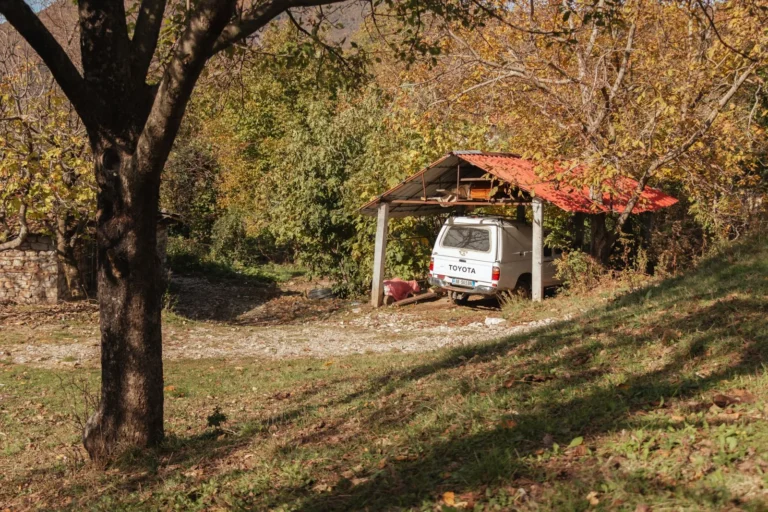
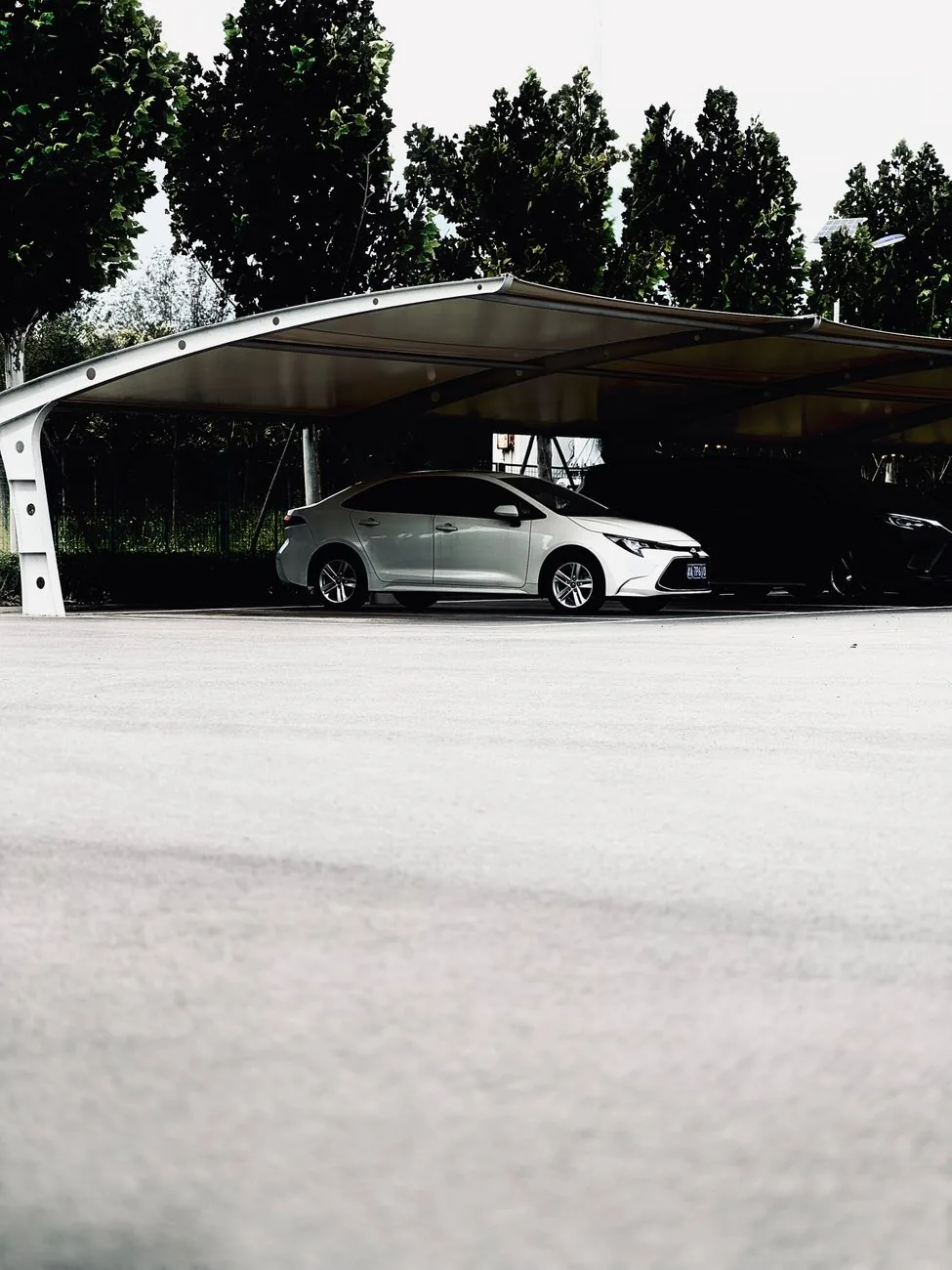
A carport is an open-sided cover supported by posts, usually on a concrete pad or gravel base. The roof does one job — shield vehicles from sun, rain, hail, and falling leaves — while the sides stay open to the air. You’ll see three main forms:
- Prefab metal carports, the most common DIY option, with a steel frame and galvanized or painted roof panels.
- Fabric or canopy carports, cheap and temporary, built around a tube frame and a tensioned cover.
- Site-built or “attached” carports, which extend off the house or garage and match the home’s trim and roofing.
A simple single-car metal kit can be delivered and assembled in a day, often without a poured slab — gravel or pavers will do for many installations. That speed and side-open design are exactly why carports are popular on ranches, in warm climates, and as temporary shelter while a full garage is still being planned.
What Is a Garage?
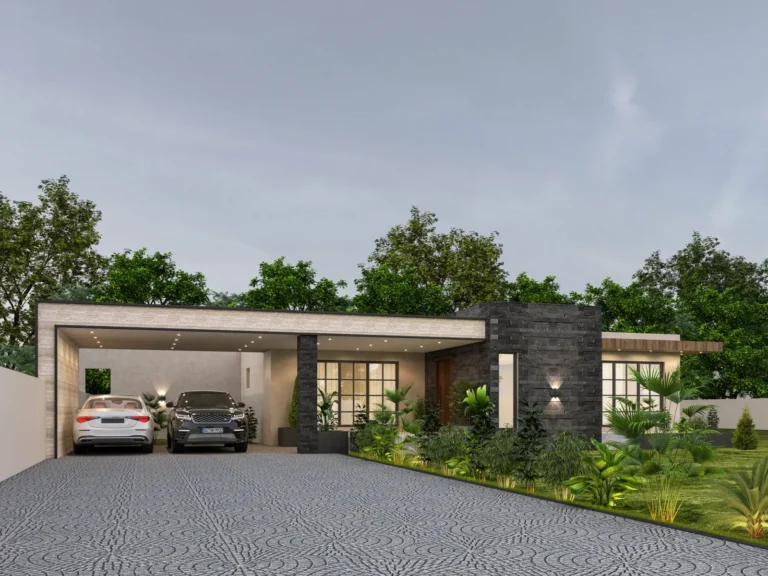
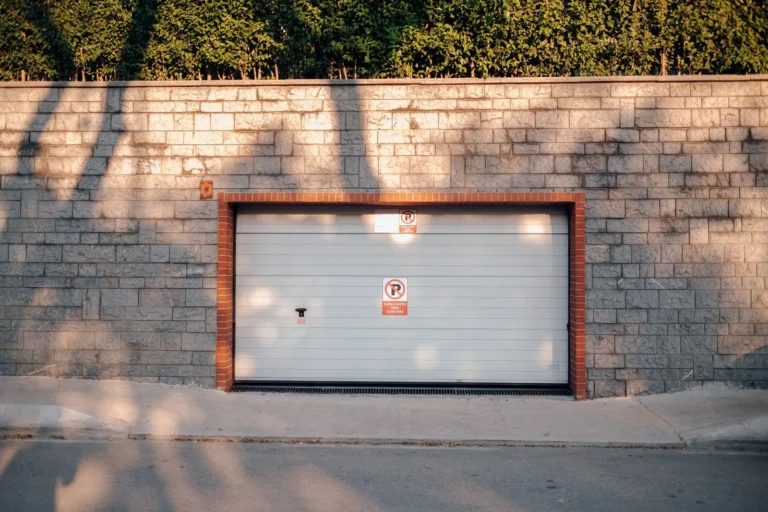
A garage is a fully enclosed structure with four walls, a roof, and at least one lockable door. It takes the carport’s roof and adds everything the carport deliberately leaves out: walls, insulation, electrical wiring, and security.
Garages come in two broad configurations:
- Attached garages share a wall with the house and typically open directly into a mudroom, laundry room, or hallway. They’re the standard on modern suburban builds because they let you reach the car without stepping outside.
- Detached garages stand apart from the home and cost more to build but add flexibility — a second story, a home office, or a workshop that keeps noise and fumes out of the living space.
The extra enclosure is what you’re paying for. With walls come the option of drywall, shelving, tool storage, a water heater, and even a finished living space above. None of that is possible with an open-sided carport.

Photo by Edu Raw via Pexels
Carport vs Garage: Cost, Security, and Storage Compared
When you line the two options up side by side, the trade-offs are stark. Here’s how they compare across the factors that actually drive a decision.
| Feature | Carport | Garage |
|---|---|---|
| Typical installed cost | $3,000–$10,000 | $16,000–$42,000 |
| Vehicle protection | Sun, rain, hail, debris | Full weather protection, locked |
| Security | None real — open sides | Lockable, alarm-friendly |
| Storage & workspace | Minimal (open to air) | Full — shelving, tools, hobbies |
| Build time | 1–3 days | 3–8 weeks |
| Permits & codes | Often lighter | Almost always required |
| Insurance impact | Minor | Often lowers premiums modestly |
The security column is where carports fall hardest. An open carport does nothing to stop theft or vandalism, and some insurers price vehicles stored in carports only marginally better than those parked on the street. A garage, by contrast, can qualify you for a multi-line discount and protects contents — tools, bikes, camping gear — that a carport simply cannot.
Carport vs Garage Cost: What You’ll Actually Pay
Cost is the biggest gap in the carport vs garage question, so it deserves its own accounting.
A basic single-car carport kit from a supplier like Carport Central or VersaTube runs between $1,500 and $5,000 for materials. Add concrete, delivery, and either your own labor or an installer, and a finished single-car carport typically lands between $3,000 and $10,000. A double-wide with taller side legs for an RV or truck pushes toward $8,000 to $15,000. For a deeper look at what different setups run, see our carport cost guide.
A garage is a different animal. Builder surveys — including data from HomeAdvisor — put an attached one-car garage at $10,500 to $27,000, a two-car attached garage at $16,000 to $42,000, and a detached two-car garage at $25,000 to $65,000 or more once you add a foundation, electrical, and permits. The difference between carport and garage grows even wider if you want insulation, drywall, or heating:
- $3,000 vs $20,000 is a fair shorthand for single-car covered parking versus a modest finished garage.
- Every wall you add — insulation, drywall, paint — is a cost a carport never carries.
- Site work, concrete, and roofing are the three line items most people underestimate on a garage build.
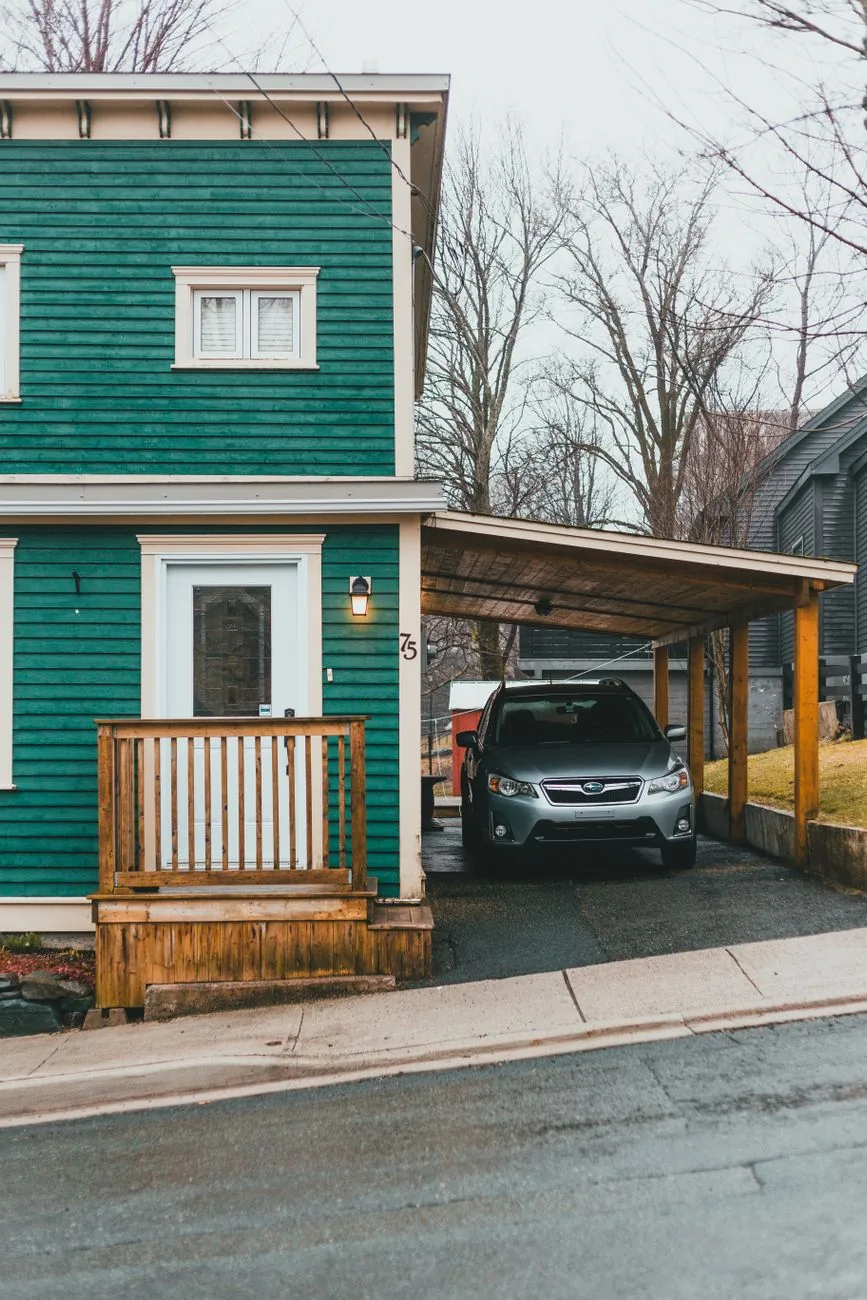
Photo by Erik Mclean via Pexels
If your only goal is to keep hail and UV off a second vehicle, a carport often wins on pure economics. If you need secure, year-round storage, the garage’s higher upfront cost is frequently justified — especially once you factor in what a theft or a hailstorm claim can cost you. For more on the build side, review our breakdown of detached garage cost to build.
Climate, Security, and Insurance: Where Carports Fall Short
Where you live should heavily weight the decision. A carport in Phoenix, Austin, or Tampa does its job brilliantly — shade from punishing sun, shelter from afternoon storms, and a roof that never needs heating. A carport in Minneapolis, Buffalo, or Denver is a compromise: an open-sided roof does nothing against drifting snow, sub-zero engine starts, or ice buildup on the roof of the car.
Garages also win on insurance. Because a garage is lockable and shelters the vehicle fully, many auto insurers apply a small discount when a car is garage-kept, and a garage reduces the odds of a comprehensive claim from hail, falling branches, or vandalism. The U.S. Department of Energy notes that an attached garage also acts as a thermal buffer on the wall it shares with the house, trimming heating and cooling loss on that side.
None of this means a carport is the wrong answer — it means the “right” answer is local. In dry, mild climates, spend the savings elsewhere. In cold, storm-prone, or high-theft areas, the garage’s closed walls pay for themselves over time.
Which One Adds More Resale Value?
Here’s the honest version: a garage nearly always adds more resale value than a carport, and in most US and Canadian markets, a home without a garage sells slower than one with it. Buyers in cold and suburban markets frequently filter their search to “must have a garage,” which no carport listing passes.
A carport is not worthless at resale. In warm, rural, or lower-cost markets — and in regions where carports are the long-standing norm — a well-built carport still reads as an upgrade over open parking. The National Association of Realtors has long reported that homeowners rarely recoup 100% of a garage addition’s cost, but they do recoup a meaningful share, and a garage protects the sale itself by keeping buyers from crossing the house off their list. If you’re weighing an attached versus a detached build, our detached garage vs carport comparison walks through the same trade-offs from the resale angle.
Bottom line before you plan: build a garage if you’ll stay long and want the storage and security; add a carport if you need affordable shelter now and your market won’t punish the absence of a garage at sale time.
Frequently Asked Questions
Is a carport or a garage cheaper?
A carport is dramatically cheaper. A single-car carport typically costs $3,000 to $10,000 installed, while even a modest attached garage starts around $10,500 and a finished two-car garage commonly runs $16,000 to $42,000. The carport wins on upfront cost every time.
Does a carport protect my car as well as a garage?
No. A carport shields against sun, rain, hail, and falling debris, but its open sides leave the vehicle exposed to wind-driven rain, snow, dust, and theft. A garage protects against all of those plus vandalism.
Will a garage lower my insurance premium?
Often, yes. A lockable, fully enclosed garage can qualify a vehicle for a garage-keeping discount and reduces the odds of comprehensive claims from hail, tree damage, or theft. A carport typically produces little or no premium change.
Do I need a permit for a carport or garage?
It depends on your local code, but garages almost always require a permit plus inspections for foundation, framing, and electrical. Carport rules are lighter in many jurisdictions, though larger or attached carports may still need a permit. Always confirm with your city or county building department before you start — The Spruce and Bob Vila both recommend verifying setbacks and HOA rules early.
Can I convert a carport into a garage later?
Usually, yes. A carport can often be enclosed into a garage by adding walls, a door, and framing, provided the existing roof structure and slab can support it. Check that the original slab was poured to code and that the roof framing can carry wall loads before budgeting for the conversion.
The Bottom Line
The carport vs garage choice is really a budget-versus-function choice. If you need covered parking fast, live in a mild or dry climate, and want to keep an extra $10,000 to $25,000 in your pocket, a carport is a smart, practical move. If you need security, storage, a workshop, insurance savings, and resale appeal in a market that expects a garage, the enclosed option usually earns its higher price.
Start by checking your local code and HOA rules, then price the two options at your exact footprint. Whichever way you land, share the plan with a contractor or structural engineer before you pour a single footer — that one step prevents most of the costly mistakes homeowners make.
Ready to dig into the numbers for a full enclosure instead of open shelter? See how much a detached garage with an apartment costs, or compare a carport against other covered-parking options to settle the budget question for good.