Shed Cost in 2026: What a New Shed Really Costs
The shed cost most homeowners will actually pay lands somewhere between $300 for a small plastic or resin kit and $15,000 or more for a large custom-built structure, but the majority of projects fall into a much narrower band. In 2026, a typical mid-size wood shed — something in the 8-by-10-foot range — runs roughly $1,200 to $4,000 installed, while a basic metal shed of the same footprint can be had for $600 to $1,800 if you put it together yourself.
That spread exists because two projects with the same footprint can cost wildly different amounts depending on material, foundation, labor, and where you live. A $500 resin kit from a big-box store and a $9,000 stick-built cedar shed with a poured slab are both “sheds,” but they share almost nothing beyond the name.
This guide breaks down what drives shed cost, what you should expect to pay by material and size, and where the money goes when a project climbs past $5,000. It’s written for homeowners who want a real number to budget against — not a sales pitch.
What a Shed Costs by Material
Material is the single biggest lever on the final price. The same 8-by-10 footprint can differ by a factor of five depending only on what the walls are made of.
| Material | Typical Cost (8×10) | Pros | Cons |
|---|---|---|---|
| Plastic / resin | $300–$1,200 | No rot, no painting, easy assembly | Looks cheap, limited sizes, UV fading |
| Metal / steel | $500–$2,000 | Affordable, fire- and pest-resistant | Dents easily, condenses, noisier |
| Wood kit (prefab) | $900–$3,000 | Best looks, paintable, sturdy | Needs sealing/staining, heavier assembly |
| Custom stick-built | $3,000–$15,000+ | Fully customizable, adds resale value | Highest cost, longest build time |
Resin sheds win on price and maintenance but fail on appearance. Metal sheds are the default budget choice across the South and Midwest because they shrug off termites and heat. Wood kits and custom builds are where most of the money is, because wood is what makes a shed look like it belongs on the property rather than was dropped there.
Wood Sheds: The Most Expensive, and Usually the Best
A wood shed dominates the top of the price range for good reason. Pressure-treated pine kits from brands like Handy Home and Outdoor Living Today run $1,500 to $3,500 for an 8-by-10, while a locally built cedar or redwood shed typically starts around $4,000 and climbs fast once you add windows, a ramp, or double doors.
Wood requires ongoing upkeep — a stain or sealant coat every two to three years — which is a real hidden cost plastic and metal owners never pay. But wood is also the only material that can be matched to your house trim, and it does the most for resale. An attached or well-built detached garage built for a similar purpose will follow this same material-cost logic scaled up, as we explain in our detached garage cost per square foot breakdown.
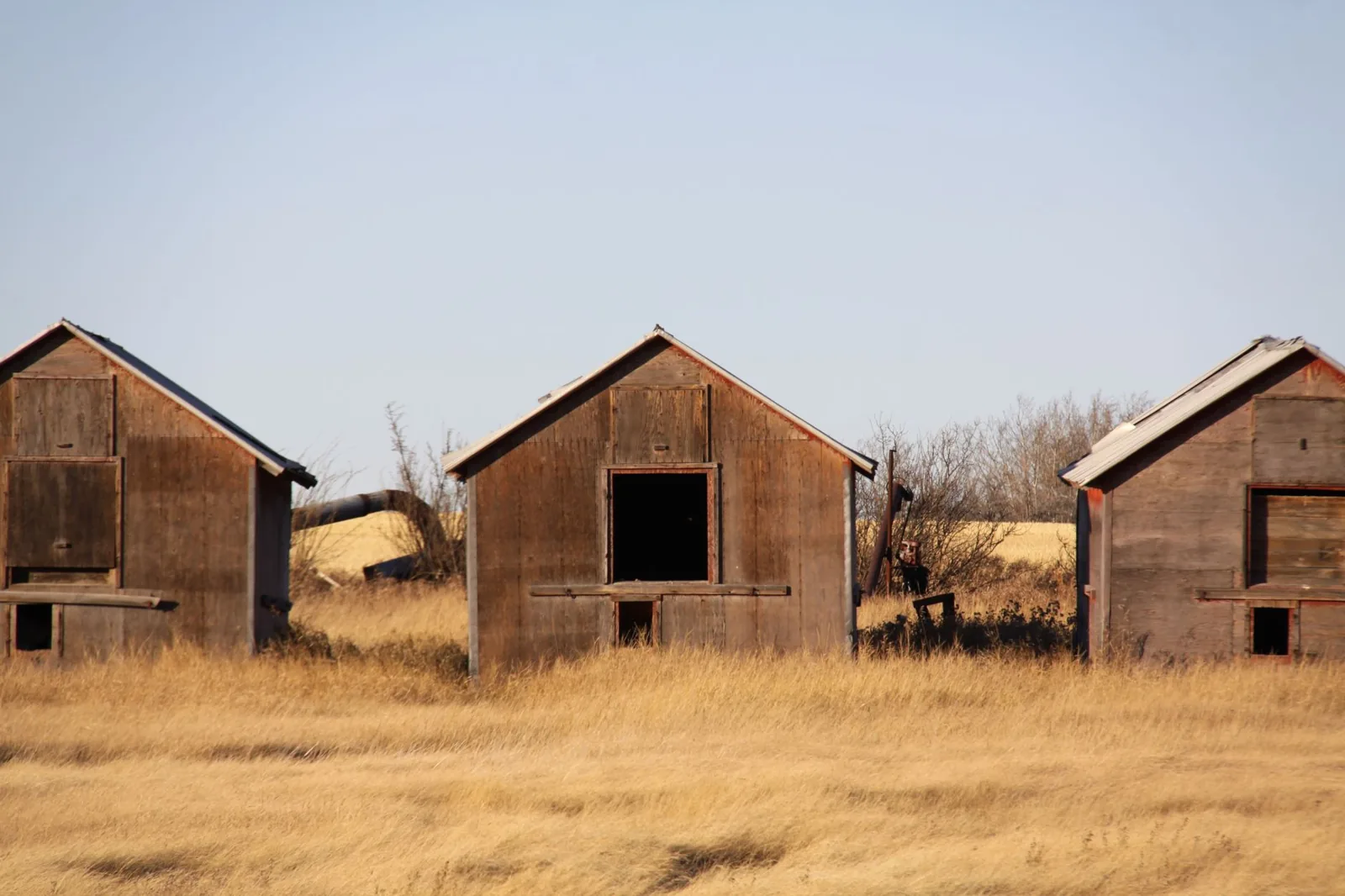
Photo by Kerri Singh via Pexels
How Size and Foundation Move the Number
Shed cost scales with floor area more than almost anything else, but not in a straight line — the per-square-foot price drops as the building grows. A tiny 4-by-6 shed might cost $40 to $60 per square foot, while a 12-by-16 runs $25 to $40 per square foot because the roof, doors, and corners are shared over more floor space.
Common sizes and realistic installed ranges:
- 4×6 utility shed: $250–$800
- 6×8 to 8×8: $500–$1,800
- 8×10 to 10×12: $1,200–$4,500
- 12×16 or larger: $3,000–$10,000+
The foundation is where a cheap project quietly turns expensive. Most resin and metal sheds only need a level surface of packed gravel or a few concrete pavers ($50 to $200). A wood shed on a proper crushed-stone or concrete-block base runs $300 to $800. A full poured concrete slab — increasingly common for anything over 10×12 — costs $800 to $2,500 on its own, and some municipalities require it for larger structures. Skip the slab specs you don’t need, but don’t put a $4,000 shed on bare grass and then wonder why the door binds a year later.
When a Carport Is the Cheaper Alternative
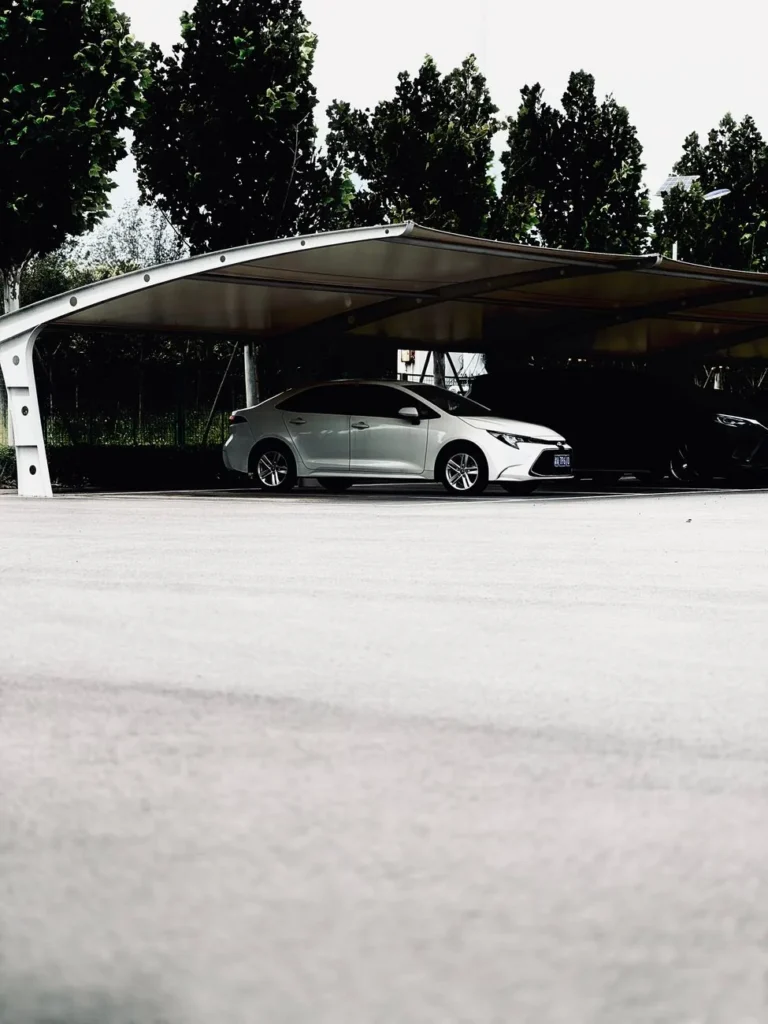
If your real goal is covered storage for a vehicle or large gear rather than an enclosed, lockable room, a carport is frequently the better math. An open-sided metal carport costs a fraction of an enclosed shed of the same footprint, and it needs nothing more than a gravel pad. We break the numbers down directly in our carport cost guide, and if you’re torn between the two structures, the detached garage vs carport comparison walks through the trade-offs in detail.
Photo by Raul Ling via Pexels
Labor, Permits, and the Hidden Line Items
The sticker price on a kit is never the final shed cost. Three categories routinely add 30% to 80% on top, and they’re easy to overlook when you’re comparing numbers on a screen.
Labor. Kit assembly from a handyman or pro costs $50 to $100 per hour, and most sheds take 6 to 16 hours depending on size and complexity. Delivery from the retailer or manufacturer adds $150 to $500 unless you pick it up yourself. Custom builds fold labor into the total quote, which is why a “simple” 10×12 custom shed gets quoted at $6,000 when the material list looks like $3,500.
Permits. Many towns require a permit once a shed exceeds 100 to 120 square feet, and some require one at any size if it touches a property line or utility easement. Permit fees typically run $50 to $400, but they can trigger review delays and small compliance costs for slab thickness, setback, or anchoring.
Site prep. Removing an old structure, regrading a slope, trimming trees, or building a ramp instead of a step can each add $200 to $1,500. A sloping yard is the most common surprise: leveling a grade before pouring a pad is real money that no shed catalog line item announces.
The short version: budget the kit price plus 30% for foundation and labor, then add 50% to 80% if your site needs grading, permits, or a concrete slab. That calculation has kept more than a few contractors from underquoting — and it’s the same discipline you’d apply to a full detached garage with apartment cost estimate, where the percentage surprises are even larger.
How to Keep Shed Cost Under Control
Most overspend on sheds comes from buying more building than the job needs, then paying full retail for labor. A few decisions control most of the variance.
- Buy a kit and assemble it yourself, or hire a handyman rather than a general contractor — labor is often half the total on professional installs.
- Match size to actual storage, with about 20% slack, rather than to a future that may not arrive.
- Choose metal or resin if the shed’s only job is equipment storage with no aesthetic role.
- Prepare a level gravel or paver base yourself before the install crew arrives.
- Buy in the fall or winter, when contractors and shed dealers are slow and prices soften.
- Skip windows, ramps, and lofts at purchase — nearly all of them can be added later for similar money.
The one place not to cut is the foundation. A cheap base is the difference between a shed that lasts 20 years and one whose doors stop closing in two.
Frequently Asked Questions
How much does a shed cost in 2026?
For most homeowners, between $1,200 and $4,500 for a mid-size wood or metal shed in the 8×10 to 10×12 range, installed. Small resin kits start around $300, while large custom wood builds exceed $15,000.
Is it cheaper to build a shed or buy a kit?
A kit is almost always cheaper when you factor in your own time, and it comes with pre-cut pieces and instructions. DIY stick-building only saves money if you already own the tools and can source lumber at a good price — and even then the savings are thinner than most people expect after fasteners, roofing, and paint.
Do I need a permit for a shed?
In many jurisdictions, yes once the shed exceeds roughly 100 to 120 square feet, though rules vary by city and county. Smaller sheds often need no permit, but setback and easement rules still apply. Call your local building department before buying a foundation or scheduling delivery.
How long does a shed last?
A well-maintained wood shed lasts 20 to 30 years. Metal sheds typically last 15 to 25 years depending on gauge and rust protection, and resin sheds generally last 10 to 20 years before UV exposure makes the plastic brittle.
Does a shed add value to a home?
A decent-quality, well-placed shed adds modest resale appeal but rarely recovers its full cost in appraised value — most appraisers treat sheds as personal property rather than an improvement to the house. A permanent structure like a detached garage cost to build project moves the appraisal much more than a storage shed does.
For size and material pricing, Angi lists shed installation costs.
The Bottom Line
Shed cost in 2026 comes down to one honest question: is this a storage box or a building? If you need a dry place for a mower and some totes, a $600 metal kit on a gravel pad solves the problem and the story ends there. If you want something that improves the look of your property and lasts decades, expect to spend $3,000 to $8,000 on a proper wood shed with a real foundation.
Set your budget against the material and size you actually need, add 30% to 80% for labor, permits, and site work, and compare at least three quotes from local builders or dealers before committing. Get the foundation right and the structure will outlast whatever you paid for it.