Shed vs Garage: Which Structure Is Right for Your Property?
Deciding between a shed vs garage is one of the first questions homeowners hit when the driveway overflows and the basement closes in. Both buildings create storage, but they serve very different jobs, cost very different money, and add very different value to a house. A shed is a lightweight, low-cost storage box. A garage is a heavier, more expensive building that shelters a car, adds square footage, and typically shows up on your property record.
The right choice comes down to what you need to store, what your local rules allow, and how much you want to spend. Here’s a concrete look at both options, with real price ranges so you can compare them on paper before you call a contractor.
Shed vs Garage at a Glance
The short version: a shed is the budget answer for lawnmowers, tools, firewood, and bikes, while a garage is the long-term investment for a vehicle, a workshop, or extra storage that boosts home value. Most sheds cost between $1,800 and $15,000 installed and can go up in a weekend. A detached garage runs $15,000 to $60,000 or more once you factor in a slab, framing, electrical, and a door.
There’s no universally “better” structure. A 10×12 shed costs around $2,500 to $6,000 and does its job without permits in many municipalities. A single-car detached garage of the same footprint costs three to five times more because it needs a foundation and often a permit. If a car never touches the space, you may be overbuilding.
What a Shed Gives You
A shed is a compact, single-story building meant for stuff that can handle a little temperature swing. Common sizes run 8×10, 10×12, and 12×16 feet, though you can order anything up to 16×20 or larger. Materials split three ways:
- Wood sheds look best and match a house, but need paint or stain every few years. Expect $25 to $40 per square foot installed.
- Resin or plastic sheds are near-zero maintenance and won’t rot, at $20 to $35 per square foot. They fade over a decade and dent under impact.
- Metal sheds are the cheapest, often under $20 per square foot, but they rust, sweat with condensation, and dent easily.
Most sheds sit on a gravel pad or concrete blocks, which keeps site work cheap. Assembly is a one- to two-day job for a kit, or a contractor can handle it in less than a week. Electrical is optional — you can run a 20-amp circuit for lights and tools, but many owners skip it and use an extension cord.
Photo by Jan van der Wolf via Pexels
The limits are real. A shed has no room for a car, no insulation by default, and little resale payoff — appraisers rarely give a shed much value. It’s also a magnet for moisture and pests if you build it on bare ground.
What a Garage Gives You
A garage is a real building: a concrete slab, framed walls, a roof, and a roll-up or sectional door. Even a small single-car garage of 12×20 feet costs $15,000 to $30,000, because the foundation and door alone run several thousand dollars. Larger two-car garages of 20×20 to 24×24 feet land between $30,000 and $60,000, and finished spaces with drywall, insulation, and electrical push higher.
What that money buys is protection. A garage keeps a vehicle out of weather, deters theft, and gives you a dry, insulated-ish space for a workbench, bikes, holiday decorations, and a second refrigerator. It’s also the only one of the two that reliably raises home value — a detached garage typically recoups 60 to 80 percent of its cost at resale, and some buyers won’t even look at a house without one.
The trade-offs are cost and complexity. You’ll almost certainly need a building permit, a setback-approved foundation, and possibly an electrical inspection. A garage can also take over a yard if you don’t plan the footprint carefully.
Shed vs Garage: Cost, Materials, and Installation
Here’s a side-by-side look at the numbers that matter most.
| Feature | Shed | Garage |
|---|---|---|
| Typical cost (installed) | $1,800–$15,000 | $15,000–$60,000+ |
| Cost per square foot | $20–$40 | $50–$120 |
| Foundation | Gravel pad or blocks | Concrete slab (required) |
| Build time | 1–3 days | 2–6 weeks |
| Permit usually required | Rarely (under ~120 sq ft) | Usually |
| Holds a car | No | Yes |
| Adds resale value | Minimal | Recovers 60–80% of cost |
| Insulation/electrical | Optional, light-duty | Standard or easy to add |
The gap narrows when you go big. A 16×20 wooden shed with electrical from a dealer can reach $12,000 to $15,000 — at which point you’re within striking distance of a bare-bones single-car garage. If you’re already spending five figures, ask whether a garage’s resale value tips the math. Our breakdown of the cost to build a detached garage walks through real line items, and a carport vs garage comparison is worth a look if you want shelter without walls.
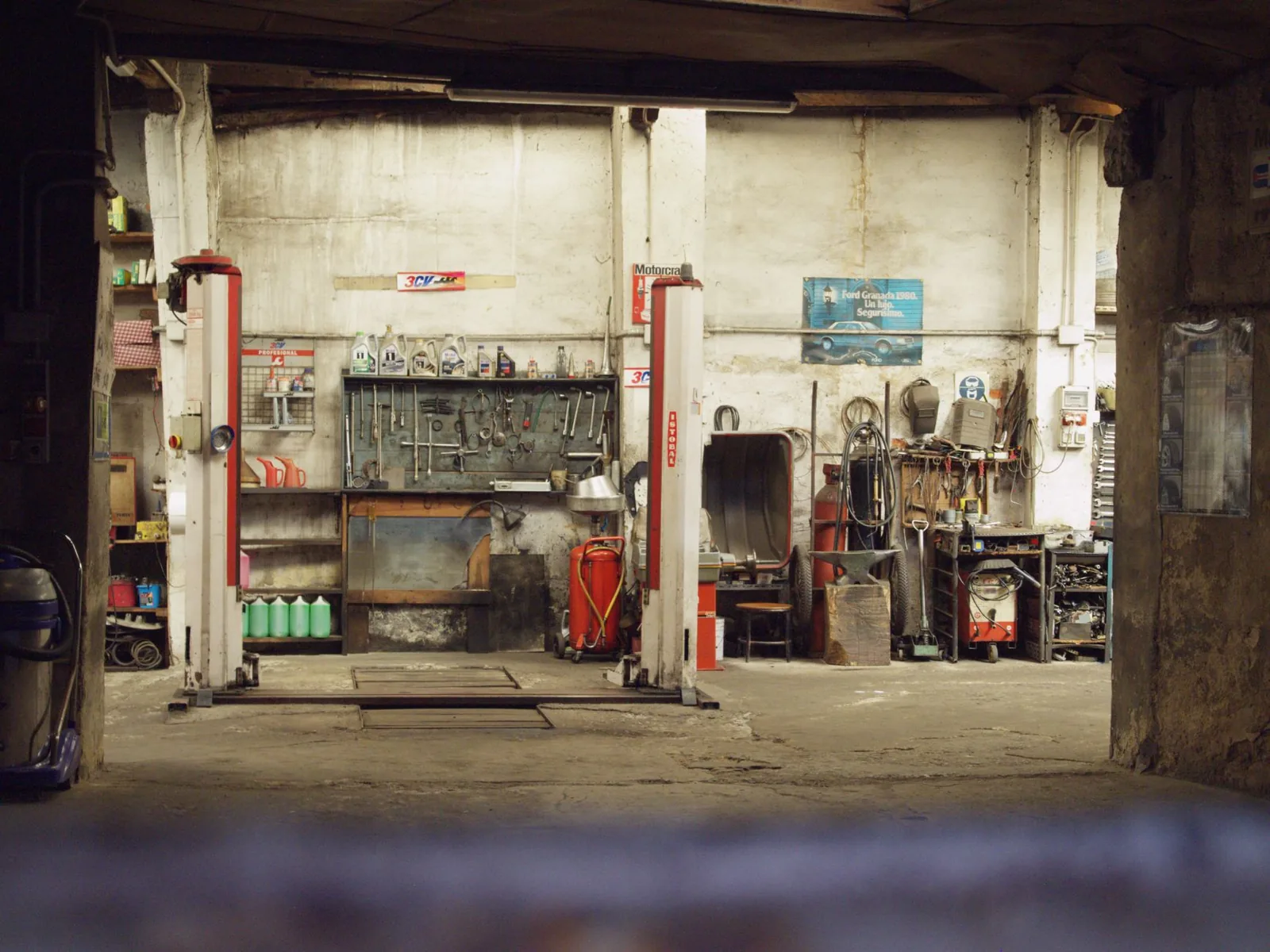
Photo by Paco DP via Pexels
Size, Permits, and Site Preparation
Size is where most people under-scope. A shed wall is fine for a mower, but the moment you add a riding tractor, a workbench, and shelves, 8×10 feels cramped fast. Buy the biggest shed your yard and budget allow — the cost difference between 10×12 and 12×16 is often only a few hundred dollars.
Permits vary hard by municipality. Many towns skip permits for sheds under 100 to 120 square feet, while others require a permit for anything with a foundation. Garages almost always need a permit, a survey showing setbacks from property lines, and sometimes a zoning variance if your lot is small. Check with your local building department before you commit — a structure built too close to a property line can be ordered removed.
Site prep matters more than people expect. A shed can handle slightly uneven ground on blocks, but a garage needs a properly graded, compacted, and form-formed slab, which means excavation and drainage planning. On sloped lots, both get more expensive.
Security, Durability, and Insurance
A garage wins on security. It has a lockable door, solid walls, and often receives less unwanted attention than a shed sitting open in a side yard. Sheds are easy targets — a padlock on a hasp can be cut in seconds — so keep expensive tools in the garage or add a motion light and a hardened lock to the shed.
Durability depends on material and upkeep. A well-built wood shed with a metal roof can last 15 to 20 years with repainting. Resin sheds fade but rarely rot, and metal sheds often rust through by the ten-year mark. A properly maintained garage on a good slab lasts the life of the house.
Insurance is another divider. Homeowners policies usually cover a shed’s contents up to a modest limit, often 10 percent of your dwelling coverage, but the shed itself may need a rider. A detached garage is typically covered as an “other structure,” and any car inside falls under your auto policy, not home. Tell your insurer what you’re building so there are no surprises after a storm.
Resale Value and What Buyers Expect
This is where the two structures diverge most. In most US markets a garage is a legitimate selling point — it protects a car, which many buyers treat as a bare minimum, and gives overflow storage. A shed is nice to have, but almost no buyer raises an offer because a $3,000 shed sits in the corner.
The resale math usually favors the garage for anyone staying in the home five years or more. A $25,000 garage that recovers 70 percent returns roughly $17,500 in value, while a $6,000 shed returns a fraction of its cost. If you’re selling within a year or two, neither pays for itself — build for your own use and let it be a bonus rather than an investment. For a fuller read on what garages are worth, see this guide to detached garage cost per square foot.
Frequently Asked Questions
Is a shed or garage better for resale value?
A garage is nearly always better for resale. It protects a vehicle, adds covered storage, and recoups 60 to 80 percent of its cost, while a shed adds only marginal value and rarely influences an offer.
Do I need a permit for a shed or a garage?
It depends on your municipality. Small sheds under roughly 100 to 120 square feet often skip permits, while garages almost always require one along with setbacks and sometimes a zoning review. Always confirm with your local building department.
Can I turn a shed into a garage?
Generally no. Sheds lack a proper slab, load-bearing framing, and a wall with an automotive door opening, so converting one usually costs more than building a small garage from scratch.
What’s cheaper: a big shed or a small garage?
A big shed is still cheaper up front. A 16×20 shed runs $10,000 to $15,000, while even a basic single-car garage starts around $15,000 and rises quickly with electrical and finishing.
How long does each take to build?
A shed kit plus assembly takes one to three days. A garage takes two to six weeks once you include the slab pour, framing, door installation, and inspections. For extra pointers, Bob Vila’s garage buying guide covers pricing pitfalls worth knowing before you sign.
The Bottom Line
Choose a shed if you need to park a mower, store tools and firewood, and keep the project under $10,000 with minimal permitting. It’s fast, cheap, and good enough for anything that doesn’t need climate control or serious security.
Choose a garage if a car, a workshop, or long-term home value is the goal. It costs more and takes longer, but it’s the only option of the two that protects a vehicle and meaningfully raises what your property is worth. In the shed vs garage decision, the answer usually isn’t about which is better — it’s about which one actually earns its cost in the way you’ll use it.