Storage Shed Ideas for Every Yard, Budget, and Building Style
A shed should earn its square footage. The best storage shed ideas do more than hide a lawn mower, a snowblower, and a stack of bins — they keep seasonal gear dry, free up room in the garage, and, when the design is right, make the backyard look better instead of worse. The tricky part is choosing among the many sizes, materials, and layouts on the market, because a catalog photo rarely tells you whether a unit will hold up to your climate or fit the actual way you use your yard. The good news: most of it comes down to a handful of decisions you can make in an afternoon.
The storage shed ideas below run from $300 ready-to-assemble kits to fully built, engineered structures pushing past $15,000. I’ve grouped them by what most homeowners actually need — a place for tools, a workshop, a garden hub, or an overflow room when the house runs out of space — and included real price ranges and square-foot figures so you can budget without guessing.
Start With Size, Not Style
Before you fall in love with a gambrel roof or a barn-style door, figure out how much floor you need. The most common regret from shed owners isn’t a color they grew tired of — it’s a building that’s a size too small twelve months after it’s done.
A good rule of thumb from contractors: buy 25 to 50 percent more floor space than you think you need right now. Rakes, trimmers, and hoses multiply; kids’ bikes don’t shrink; and the box for the generator you don’t own yet somehow appears anyway. Here’s how typical sizes shake out:
- 6×8 ft (48 sq ft): Tight but workable for a push mower, string trimmer, a few shovels, and a small tool chest. Often under $1,500 installed as a kit.
- 8×10 ft (80 sq ft): Room for a riding-mower alternative, bicycles, and shelving along two walls. A comfortable default for a two-car household.
- 10×12 ft (120 sq ft): Enough for a workbench, mower, and organized wall storage — the point where a shed becomes a small workshop.
- 12×16 ft (192 sq ft): The largest size you can often build without a permit in many US counties; big enough for a workbench zone, a riding mower, and future overflow.
The 10×12 is the sweet spot for most families. It’s big enough to organize properly without dominating a typical suburban yard, and it’s small enough that prefab manufacturers price it aggressively.
| Feature | 6×8 ft Kit | 8×10 ft Kit | 10×12 ft Build | 12×16 ft Custom Build |
|---|---|---|---|---|
| Approx. floor area | 48 sq ft | 80 sq ft | 120 sq ft | 192 sq ft |
| Typical cost range | $700–$1,500 | $1,200–$2,800 | $2,500–$5,500 | $5,000–$12,000+ |
| Best for | Basic tool storage | Bikes + seasonal gear | Workshop + mower | Workshop + hobby room |
| Permit usually needed? | Rarely | Rarely | Sometimes | Often |
| Typical build time | Weekend | Weekend | 3–5 days | 1–2 weeks |
10 Storage Shed Ideas Worth Stealing
1. The Tool-Library Shed
Treat one wall like a pegboard showroom rather than a pile. French cleats let you move hooks and shelves whenever the collection changes, and a ceiling-high shelf layout on two walls keeps the floor clear so a mower and wheelbarrow can roll straight in. This is the cheapest thinking upgrade available: $100 in cleats, hooks, and shelf brackets can double what a small shed holds.
2. The Garden-Potting Hybrid
If the shed sits near a vegetable patch, give over one end to potting. A bench at stand-up height, a bin of soil, and a wall rack for trowels and pruners turns a 10×12 into the command center for the garden. Add a translucent roof panel or a small window on the bench’s side, and you get natural light without wiring a fixture.
3. The Wheeled-Equipment Bay
Design the doorway around your widest machine, not an average one. If a 42-inch riding mower is in your future, you need a minimum 5-foot opening and a ramp or gentle grade. Keep the mower on the back wall, blades and gas cans off the floor on a vented shelf, and leave a clear center aisle — you’ll thank yourself the first time you back the mower out at dusk.
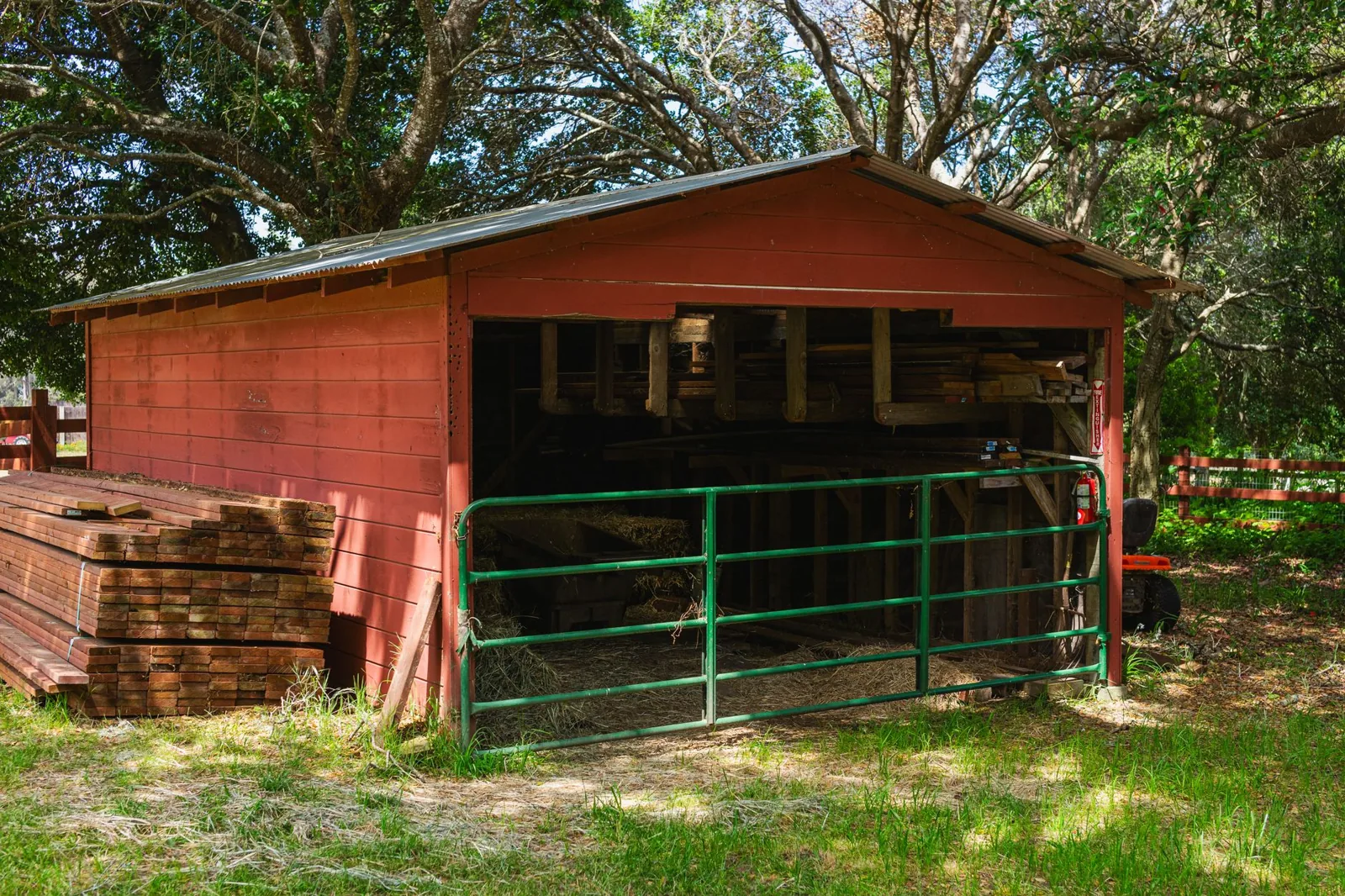
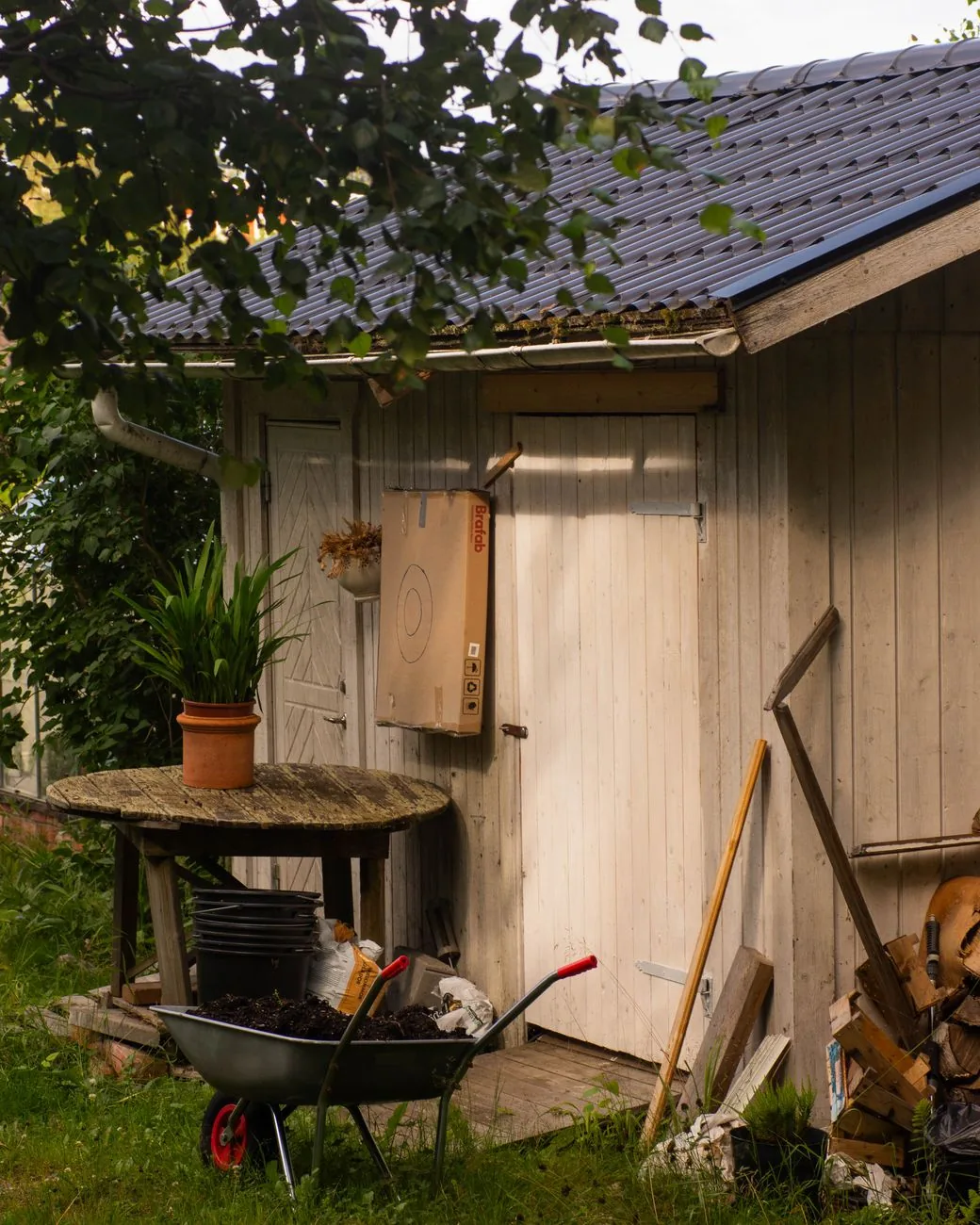
Photo by Robert So via Pexels
4. The Garage-Overflow Shed
For many homeowners the shed exists because the garage ran out of room. If that’s you, build the shed as a deliberate extension of the garage system: same bin dimensions, same shelf depth, a clear “garage things live here now” rule. Seasonal tubs, camping gear, and holiday decorations are the classic first tenants. This single decision can reclaim a full parking bay in the main garage.
5. The Home-Workshop Shed
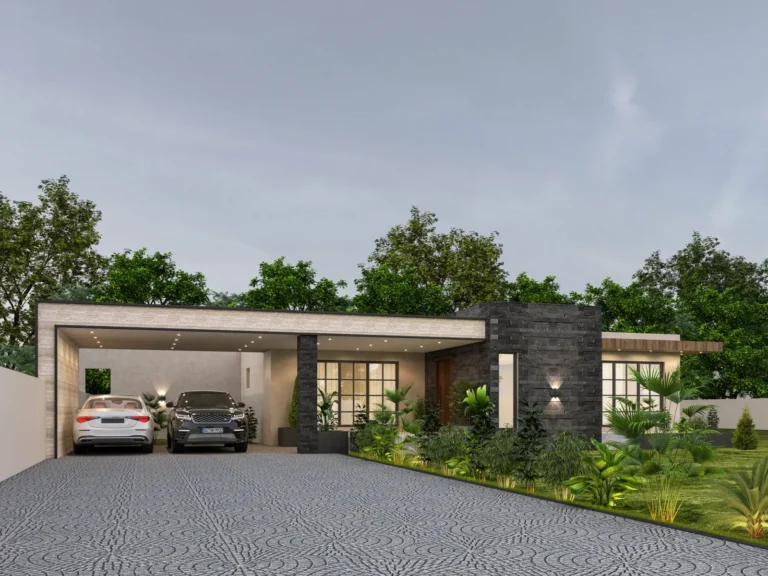
A dedicated 12×16 building with a workbench, task lighting, and a couple of outlets gives you a workshop without sawdust in the house. Budget $500–$1,500 extra for a dedicated electrical run done by a licensed electrician — and check your local code, because a powered outbuilding usually triggers a permit and sometimes a separate inspection. Many families combine this idea with a detached garage to split vehicle storage from the workshop zone.
6. The Vertical Little Shed
When the yard is small, go up instead of out. A 4×6 or 6×6 vertical shed with a high ceiling packs floor-to-ceiling shelving into a footprint that barely registers against a fence. Brands like Suncast and Rubbermaid dominate this niche at $300–$900, and they assemble over a weekend with a single drill. The ceiling stays low enough to clear most HOA and setback rules without a permit.
7. The Lockable Security Shed
If you’re storing a snowblower, chainsaw, or anything you’d rather not lose, buy the building, not the padlock. Look for a full-length wall stud, a reinforced door jamb, and a hasp bolted through the framing rather than surface-screwed. A motion-sensor light and a simple ground anchor for the tools themselves round it out. This matters more with wood and resin sheds than with durable metal units, though the door hardware is worth upgrading on all of them.
8. The Bike-and-Sports Shed
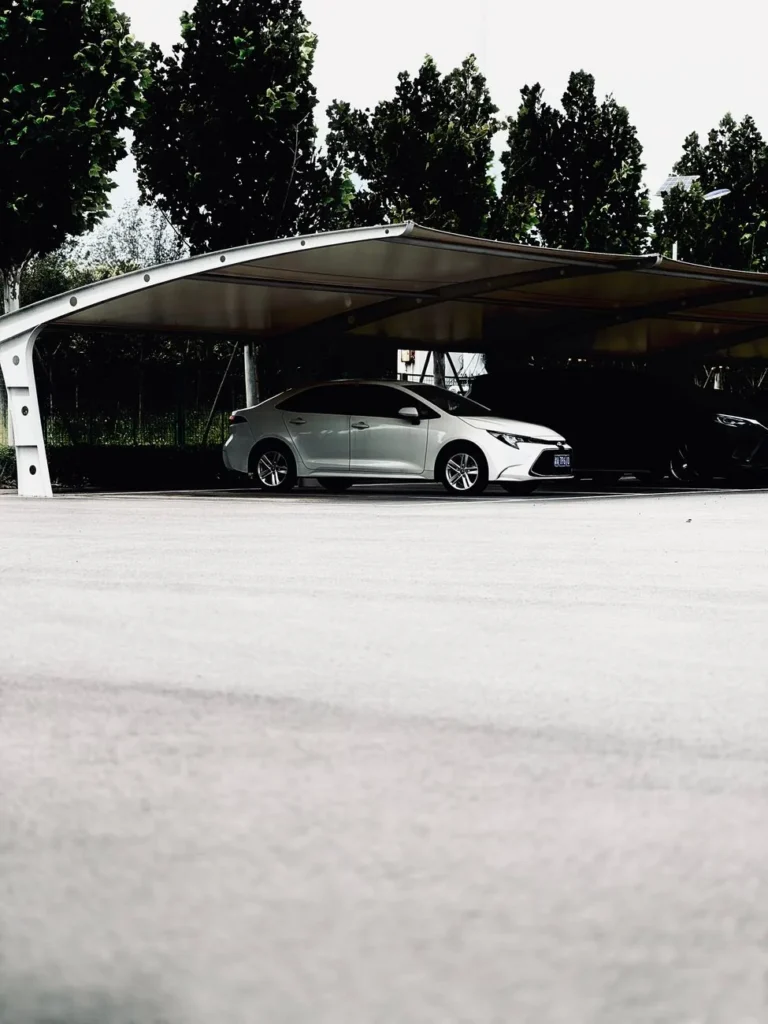
Wall-mounted bike hooks and a vertical rack keep five or six bikes off the floor and leave the middle of the shed for a work stand. If children’s bikes are in the mix, mount hooks at two heights — adult bikes up top, kids’ bikes low enough for small hands to reach. This idea pairs well with households that also keep a carport for daily parking, since bikes and sport gear live better in a shed than under an open roof.
9. The Backyard Office Studio
The pandemic made it famous, and the numbers still make it tempting: a 10×12 to 12×16 shed, insulated and finished, costs roughly $8,000–$20,000 all-in versus $50,000-plus for a true home addition. Insulate the floor, walls, and roof, run a dedicated electrical circuit, and add a small wall-mounted heating-and-cooling unit. Before you commit, read up on what a detached garage or accessory building actually costs per square foot — the same math applies to a shed you finish as a room.
10. The Match-the-House Shed
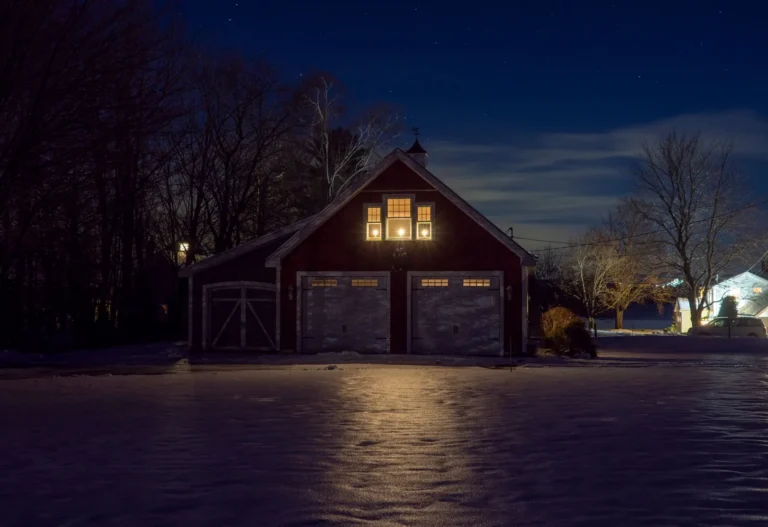
The cheapest visual upgrade that makes neighbors stop asking “what’s that building?” is a shed that echoes the house. Match the roof slope and shingle color, paint the trim to the home’s fascia, and add a small window or a set of shutters in the same style as the main structure. It reads as intentional rather than plopped, and it usually adds more to perceived curb appeal than it costs in paint.
Materials, Cost, and Durability
Three materials dominate the market, and they are genuinely different animals.
- Wood: The most traditional look and the easiest to customize and repair. Pine is affordable but soft; T1-11 siding and pressure-treated lumber are workhorse choices. Expect $25–$40 per square foot for materials, plus ongoing paint or stain maintenance every few years. Wood is also the material most likely to need a permit.
- Resin (vinyl/plastic): The sunny-climate darling. It never rots, won’t rust, and shrugs off humidity — the reason it’s the default in the Southeast. Kits from Suncast, Keter, and Lifetime run $400–$2,500 for common sizes, and they require essentially zero maintenance. The tradeoff is a lighter, less structural feel and fewer options for cutting holes for vents or extra windows.
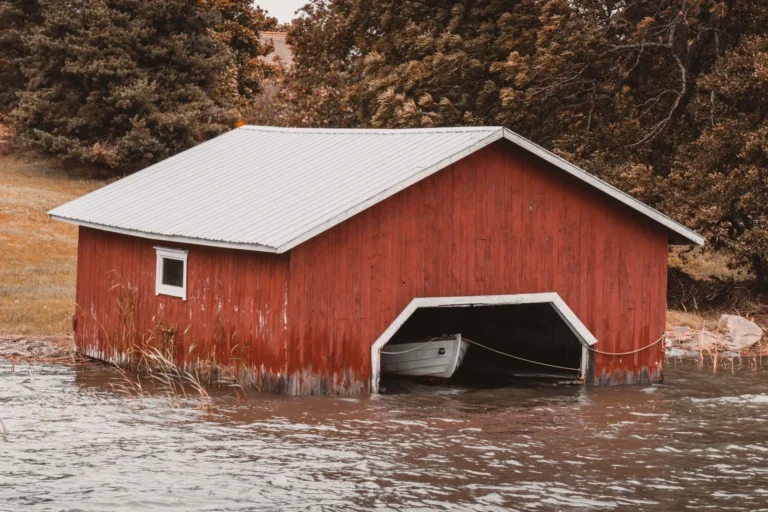
- Metal: The budget-and-durability pick for dry climates. Galvanized steel sheds from Arrow or Duramax start around $300 and tolerate fire-prone and windy regions well, but they show dents, amplify heat in full sun, and rust if you’re near salt air. In humid coastal yards, resin usually wins over thin steel.
A note on ground prep, because it’s where budgets quietly die: a shed needs a level, well-drained base. A gravel pad runs $200–$500 for a small unit, a concrete slab $1,000–$3,000 depending on size and finish. Skip this and you’ll be fighting a wobbly floor and rain-soaked corners within a year. If you’re stuck between wood and resin, This Old House’s buying guide and Better Homes & Gardens’ shed ideas gallery both do a deeper look at the same three materials.
Small Details That Make a Big Difference
- Lighting: Even a $20 battery-powered LED bar or a solar skylight changes a dark box into a usable space. Wire fixtures properly if you go mains-powered.
- Ventilation: Two screened vents — one high, one low — keep condensation off metal tools and stop a summer shed from turning into an oven. Most resin buildings melt-proof but still trap moisture; add vents.
- Flooring: A pressure-treated plywood floor with a moisture barrier beats bare dirt in every climate. In wet regions, elevate the floor on skids or blocks to keep the joists dry.
- Shelving before furniture: Wall-hung shelving and vertical racks cost a fraction of a rolling cabinet and keep the floor clear for machines.
Photo by Mathias Reding via Pexels
What a Storage Shed Really Costs
For planning purposes, budget roughly:
- Resin kit, self-assembled: $400–$2,500
- Wood or metal kit, self-assembled: $700–$3,500
- Prefab building, professionally installed: $2,500–$6,000
- Site-built custom shed: $5,000–$15,000+
- Finished office/studio conversion: $8,000–$20,000+
Delivery and site prep (base, leveling, permits) typically add $500–$2,000 on top of the unit price, more if the yard needs significant grading. Always confirm whether your quoted price includes anchoring and installation — many big-box “installed” prices quietly exclude the pad, and that’s a four-figure surprise on delivery day.
Frequently Asked Questions
Do I need a permit for a storage shed?
It depends on your county and the building’s size. Many US jurisdictions allow sheds under 100–120 square feet without a permit, but setback rules, HOA covenants, and utility easements still apply. Check your local building department’s website before ordering — a $200 permit is far cheaper than a forced removal.
Which shed material lasts the longest?
Practically speaking, wood lasts longest when properly maintained (25-plus years), resin never rots but can warp and fade over 15–20 years in intense sun, and thin metal can dent and rust inside a decade near coastlines. For most homeowners, resin wins on pure “set it and forget it” longevity per dollar.
Should I put a shed on grass, gravel, or concrete?
Never directly on grass or topsoil — it settles and traps moisture. Gravel is the budget-friendly good answer; a concrete slab is the best answer if you’ll store heavy machines or want the floor to double as a workspace. Both need a leveled, excavated, and compacted base first.
Is a shed a good investment when selling a home?
A well-built, well-placed shed is one of the rare outdoor structures buyers notice and actually list as a plus, especially in markets with small garages. It won’t appraise like finished square footage, but it can be the difference-maker between two otherwise equal listings.
The Bottom Line
The right storage shed idea isn’t the fanciest one in the catalog — it’s the one sized to your gear, built of a material your climate won’t punish, and set on a base that actually drains. Start with a hard square-footage count of everything the shed must hold, add 25 percent for the stuff you haven’t bought yet, and only then pick the style. Spend your budget in this order: base and floor first, then a solid frame and door, then that vertical shelving, and only last the windows, paint, and trim that make it look like it belongs.
Want to go bigger than a shed? Take a look at our guide to detached garage costs to build when you’re weighing a true vehicle-and-workshop building against a second shed. And if you’re watching your numbers closely, start with our detached garage cost per square foot breakdown — the same renovation math will tell you exactly where your shed dollars are going.