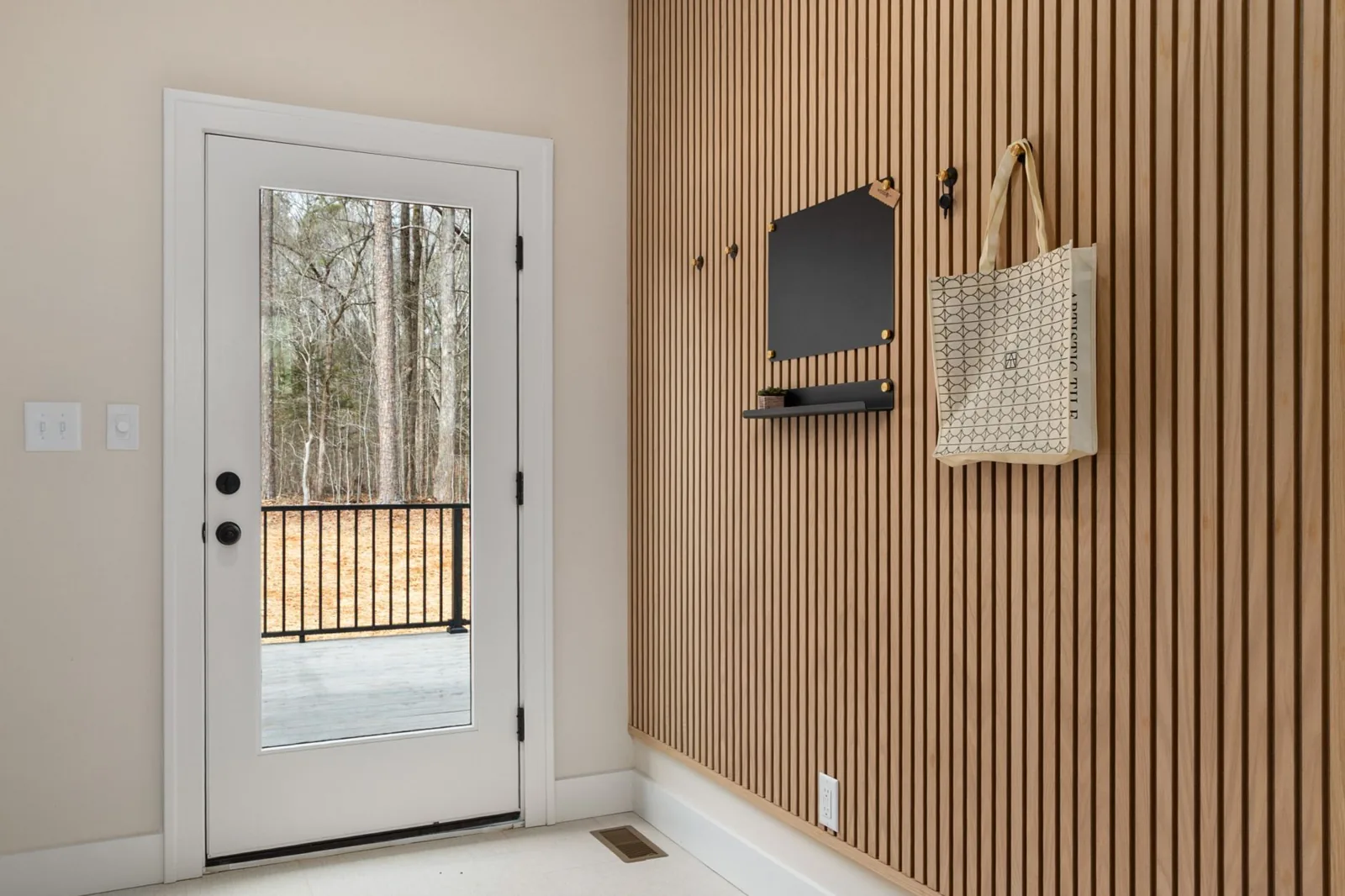
Mudroom Ideas: Smart Storage and Entryway Solutions for Every Home
A mudroom is the difference between a home that handles wet coats, snowy boots, and backpacks gracefully and one where the front door opens onto a pile of shoes. The good news is that you don’t need a sprawling farmhouse or a six-figure remodel to get one. The right mudroom ideas turn a sliver of wall, a closet, or the corner of a garage entry into an organized drop zone that keeps dirt, moisture, and clutter out of the rest of the house.
Most mudroom projects fall into two camps: built-in cabinetry that a finish carpenter installs, and freestanding storage you can buy and set up over a weekend. Both work. What matters is matching the layout to the size of your household and the climate you actually live in — a family in Minneapolis needs very different storage than a couple in Phoenix.
In this guide we’ll walk through layouts, budget options, the storage pieces that earn their keep, and the materials that survive wet boots. You’ll leave with a short list of concrete choices, cost figures, and a plan you can hand to a contractor or tackle yourself.
Why a Well-Designed Mudroom Pays Off
A mudroom is one of the few home upgrades that earns back its cost in daily friction rather than resale value. Think about how many times a day a household passes through the entry: leaving for work and school, coming home with groceries, letting the dog in from the rain, welcoming guests. Each pass is a chance for dirt and clutter to migrate inward — or to stop at the door.
A functional drop zone does three jobs:
- Containment. Baskets, cubbies, and closed cabinets keep shoes, gloves, and dog leashes from spreading.
- Drying. Proper materials and ventilation stop wet coats from turning a bench into a mildew magnet.
- Transitions. A place to sit while removing boots reduces the stumble-and-stand-in-the-doorway routine that scuffs floors.
Homeowners also report the psychological upside: a tidy entry sets the tone for the whole house. It’s the first thing you see when you walk in and the last impression guests take with them.
For budgeting, a professional built-in mudroom typically lands between $1,500 and $5,000 for a wall of cubbies and a bench, depending on millwork and paint grade. A DIY freestanding setup — hooks, a bench, shoe cubbies, and baskets — can come in under $500. If your entry is part of a larger porch project, check our guide to front porch cost to see how entry work fits into the wider budget.
Floor Plans and Layouts: Where to Put a Mudroom
Where your mudroom lives dictates a lot of the design. Four layouts cover most homes.
Rear or Garage Entry
The classic location, and usually the best. The garage or back door is where wet shoes and muddy paws actually arrive. A bench with boot trays underneath, hooks above, and a closed cabinet for lesser-used gear handles 90% of the mess. This layout keeps the front door clean for guests.
Front Entry Niche
Many homes reserve the front door for appearances but still want a landing spot. A slim hall tree or a floating shelf with hooks works here without eating floor space. Keep it shallow — 12 to 16 inches deep — so the walkway stays clear.
Closet Conversion
A standard front closet that’s now full of winter coats and mystery boxes can become a mudroom by removing the doors and the hanging rod. Add a bench, a shelf, and hooks, and you have a self-contained drop zone for a fraction of an enclosed addition. Note that taking doors off changes how the room reads visually, so plan the sightline before you commit.
Laundry or Utility Corridor
Homes with a laundry room off the garage can split duties: washer and dryer on one wall, mudroom storage on the other. Shoe cubbies and a folding counter do double duty here.
For houses that don’t have an obvious spot, an enclosed porch can serve the same purpose. Our breakdown of enclosed porch cost covers what it takes to add sheltered entry space if you’re starting from scratch.
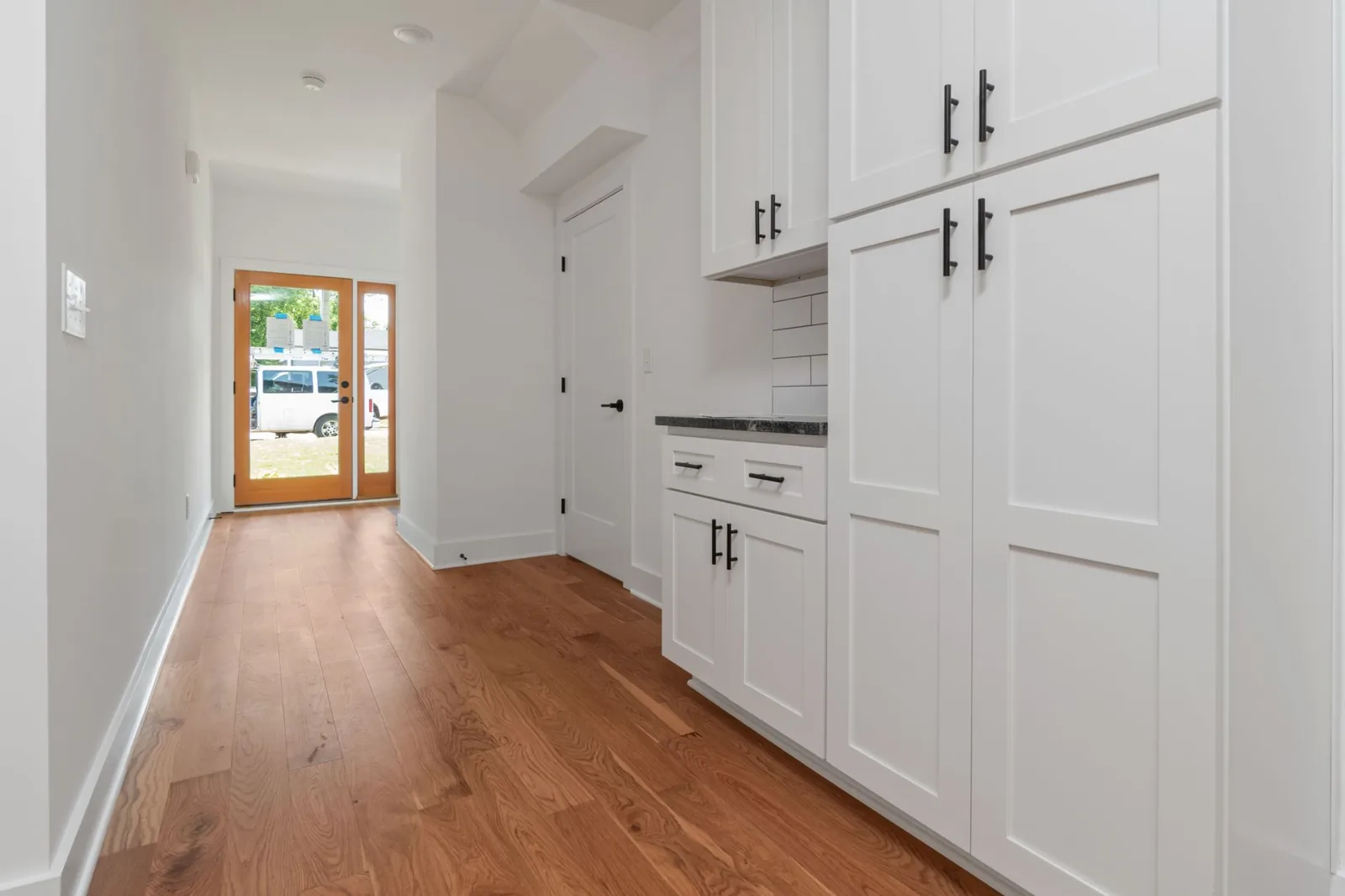
Photo by Curtis Adams via Pexels
Mudroom Ideas for Every Budget
You don’t have to build custom cabinetry to get a working mudroom. Here’s how the same drop zone breaks down at three price points.
Under $500: The Weekend DIY Setup
- A sturdy wooden bench (or a repurposed hall bench) against one wall
- Four to six coat hooks mounted at 58 to 62 inches off the floor
- A boot tray or rubber mat underneath to catch snow and mud
- Stackable shoe cubbies from IKEA or a big-box store
- Two labeled baskets for gloves, hats, and dog gear
This setup works the moment it’s assembled and is easy to move or reconfigure as the family changes.
$500 to $1,500: Freestanding Storage with Polish
At this level you’re buying real furniture rather than adapting it. Look for a hall tree with a bench, hooks, and closed shoe storage, or a modular mudroom system from brands like Prepac or Sauder. Add an over-the-bench shelf and a couple of woven baskets, and the entry looks intentional instead of improvised.
$1,500 to $5,000+: Built-In Cubbies and Millwork
A finish carpenter can frame a wall of open cubbies, a bench with a hinged lid, and closed upper cabinets tailored to your exact footprint. Paint-grade poplar keeps cost down; maple or oak veneer raises it. Built-ins look seamless and add the most to resale appeal, but they’re permanent — so nail the layout before the first cut.
Storage Essentials: What Every Mudroom Needs
Regardless of budget, certain pieces earn their keep in almost every household. Prioritize these before you spend on anything decorative.
- Bench. The single highest-ROI piece. A 15- to 18-inch-deep seat gives enough room to sit and remove boots. Hinged-lid benches hide off-season gear.
- Coat hooks, not rods. Hooks are faster for kids and hold bulky winter coats better than a hanging rod. Space them 8 to 12 inches apart.
- Boot tray. A deep rubber tray or a slatted cedar mat is the cheapest way to save a floor. Cedar resists rot and smells good while it dries.
- Shoe cubbies. Open cubbies beat closed doors because wet shoes need airflow to dry. A family of four needs at least eight cubbies.
- A catch-all basket or shelf. A single landing zone for keys, mail, and sunglasses prevents the “where did I put” search at 7 a.m.
- A charging drawer or shelf. If phones and tablets come home to this entry, a small outlet strip keeps cords contained.
One mistake to avoid: overloading open shelving with too many bins. Open storage breathes, but it also shows everything. Balance open cubbies with at least one closed cabinet for the visually messy stuff.
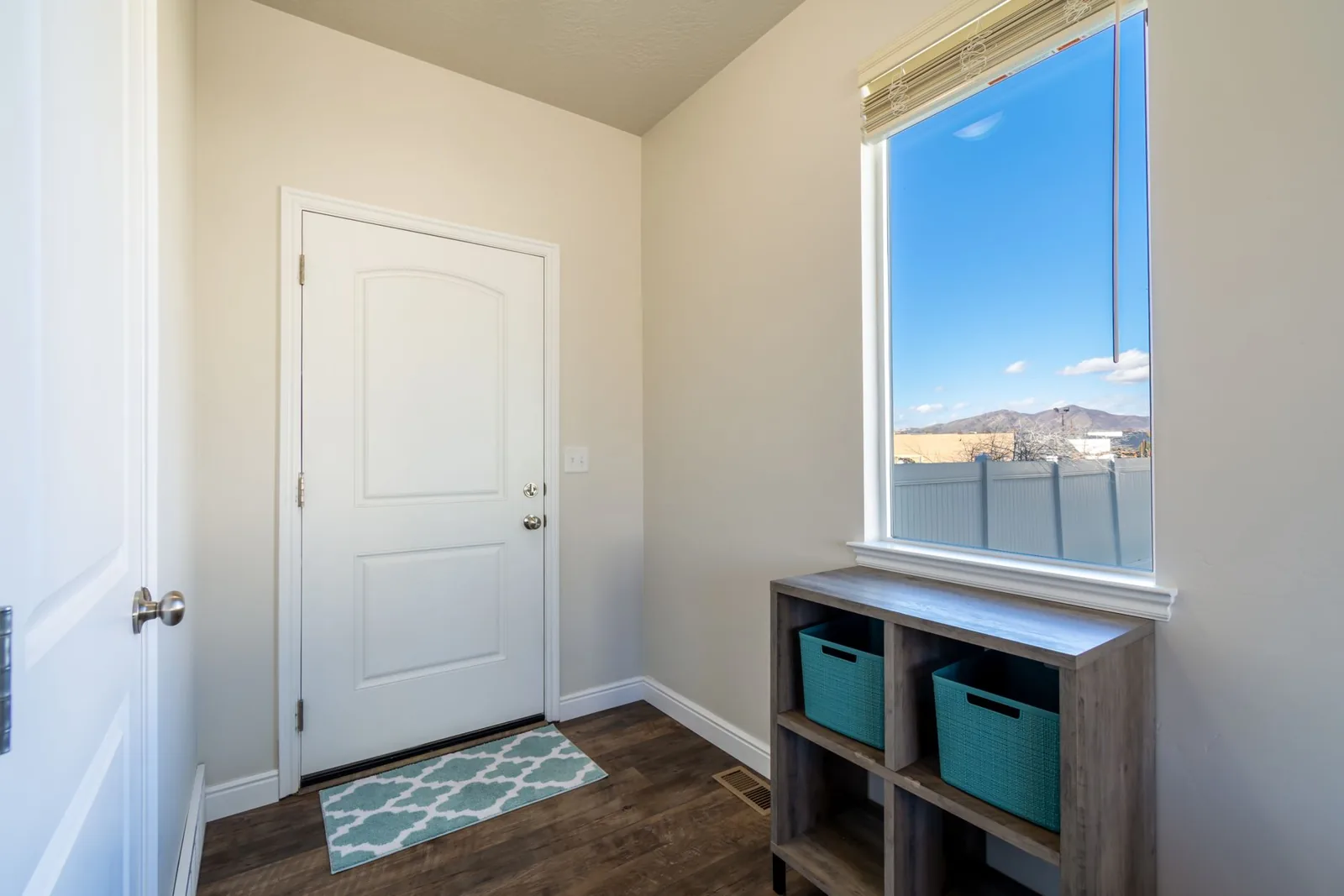
Photo by Get Lost Mike via Pexels
Comparison: Freestanding, Built-In, or Hall-Tree Storage
No single mudroom style wins for every home. Here’s how the three most common approaches compare.
| Feature | Freestanding Bench + Hooks | Built-In Cubbies | Hall Tree |
|---|---|---|---|
| Typical cost | $100–$500 | $1,500–$5,000 | $150–$800 |
| Setup time | Afternoon | 1–3 days (pro install) | Afternoon |
| Storage capacity | Low to medium | High | Medium |
| Custom fit | No | Yes, to the inch | No |
| Portability | High (easy to move) | None (permanent) | High |
| Best for | Renters, budget builds | Family homes, resale | Small entries, front doors |
The right call usually comes down to how permanent your living situation is. Renters and anyone planning to move within a few years do better with freestanding pieces they can take with them. Homeowners staying put, and anyone selling soon, get more from built-ins that read as thoughtful millwork rather than furniture.
Material Choices That Hold Up to Wet Boots
Mudrooms take more abuse than nearly any other room, so material selection matters more than aesthetics. The wrong choices look rough within a season.
For the floor: Porcelain or ceramic tile is the most forgiving — it shrugs off water, salt, and grit and cleans up with a mop. Luxury vinyl plank (LVP) is a strong second, cheaper and warmer underfoot, and it handles standing water far better than engineered hardwood. Avoid solid hardwood and laminate in a working mudroom; both swell and cup when wet boots drip on them repeatedly.
For benches and cubbies: Paint-grade poplar is the budget standard and takes paint evenly. Maple and oak are tougher and resist dings but cost more. If you’re buying freestanding pieces, look for solid wood or thick plywood rather than particleboard, which sags when it absorbs moisture.
For hooks and hardware: Skip lightweight wire hooks. Cast metal or thick wood pegs survive a backpack yanked off at speed. A 14- to 18-inch-wide cabinet-grade hook rated for 30 pounds or more will outlast the cheap ones several times over.
For ventilation: Leave a gap under the bench (or build it on legs) so air can circulate beneath. If your mudroom is a closet conversion or an enclosed space with no window, a small exhaust fan or a louvered door makes a real difference in drying time and keeps must smells out.
If the mudroom will anchor a bigger entry renovation, working through options like a front porch vs. patio decision first helps you sequence the project so the mudroom isn’t reworked later.
Frequently Asked Questions
How much does it cost to add a mudroom?
A freestanding DIY setup costs $100 to $500. A professionally built row of cubbies and a bench typically runs $1,500 to $5,000. Adding a brand-new enclosed space or a bump-out with a foundation starts around $20,000 and climbs quickly.
How deep should a mudroom bench be?
Aim for 15 to 18 inches. Anything shallower is uncomfortable for sitting; anything deeper eats floor space without adding much function.
Does a mudroom add value to a home?
It adds convenience more reliably than resale value, but built-in entry storage is a genuine selling point in cold climates and for family home buyers, where a tidy, functional entry reads as a well-run house.
Can I put a mudroom in a closet?
Yes. Removing the doors and hanging rod and adding a bench, a shelf, and hooks converts a standard front closet into a compact mudroom for a few hundred dollars — one of the highest-value budget options going.
Where’s the best place to put a mudroom?
The rear or garage entry, because that’s where wet shoes and muddy pets actually come in. A front entry works as a secondary, lighter drop zone for guests and daily keys and mail.
For layout inspiration, Better Homes & Gardens rounds up mudroom ideas.
The Bottom Line
A mudroom doesn’t have to be a room at all. The best mudroom ideas work with the entry you already have — a bench, hooks, a boot tray, and a place for shoes will solve more daily mess than an elaborate empty space ever will. Start with the essentials, pick materials that survive water, and spend on a custom build only when the layout is settled and you plan to stay put.
If you’re expanding entry space as part of a larger project, understanding front porch cost to build keeps the mudroom from derailing the overall budget. Whether you spend $300 on a weekend setup or $4,000 on built-ins, the goal is the same: stop the mess at the door, every single day.