Artificial Turf vs Sod: Which Lawn Is Right for Your Yard?
Few projects change how a home looks from the curb faster than upgrading the lawn. The decision nearly always comes down to two options: laying real sod or installing synthetic grass. Both give you an instant green yard, but they behave very differently over the years that follow, and the artificial turf vs sod question is really a question about how much time, money, and water you want to commit for the next decade.
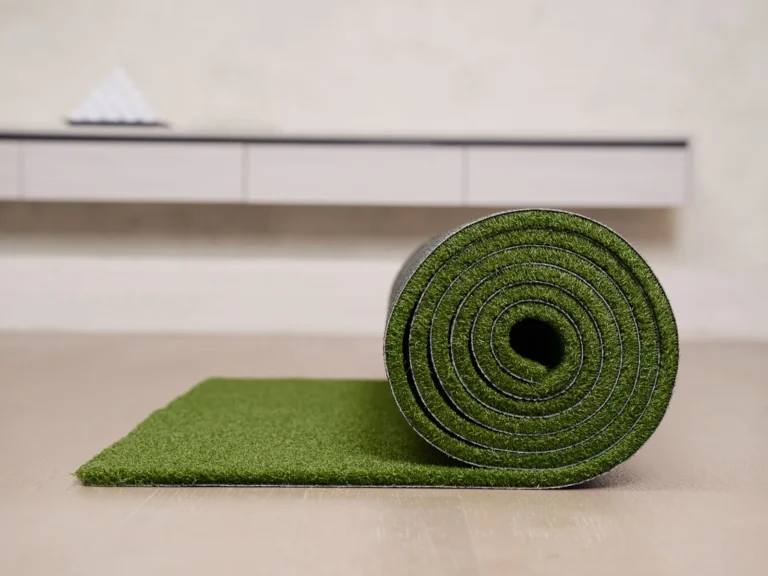
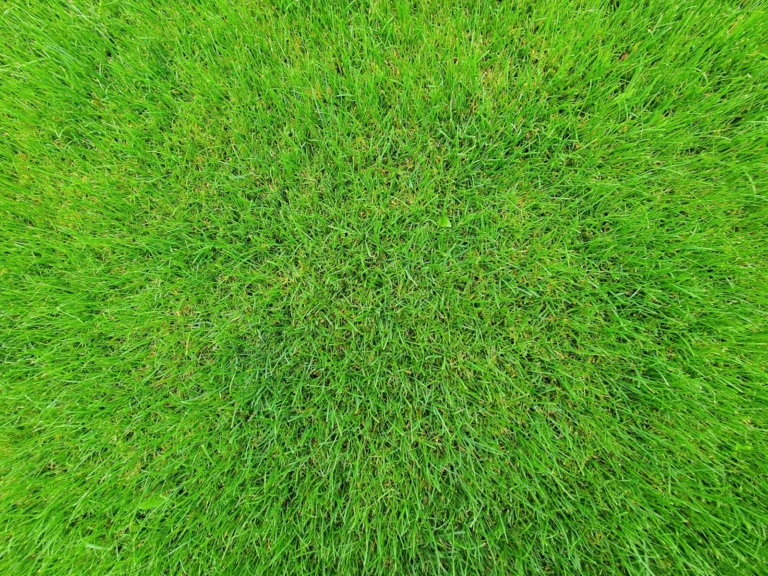
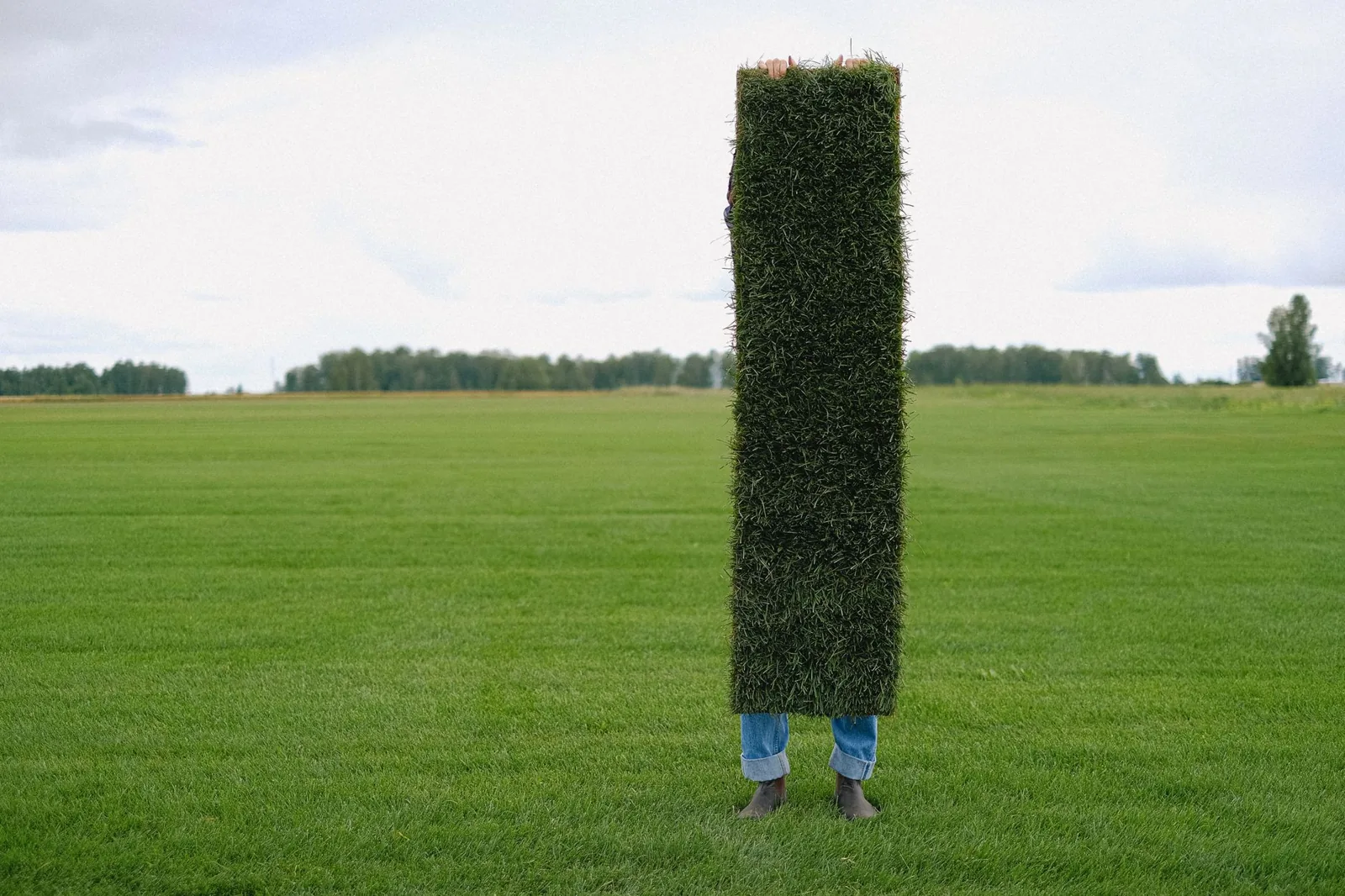
Sod is a patchwork of living grass grown on a farm, cut into rolls, and planted on a few inches of prepared topsoil. Artificial turf is a carpet of synthetic blades, usually polyethylene or nylon, stitched to a backing and laid over a compacted base of crushed rock. One grows and needs care; the other sits still and needs occasional cleaning.
The right pick depends on your climate, your water rates, how you actually use the yard, and what you can spend up front. Here’s a straight comparison so you can choose with real numbers in hand.
What Sod Costs vs. Artificial Turf
Up-front pricing is where the two options split hardest. Sod is far cheaper to buy but demands years of maintenance spending. Artificial turf costs more on day one but carries almost no recurring bill.
Installed sod typically runs $1 to $2.50 per square foot, including soil prep and labor, depending on grass type and local rates. A 1,000-square-foot lawn usually lands between $1,000 and $2,500. Premium varieties such as Kentucky bluegrass or St. Augustine push toward the top of that range, while common fescue and Bermuda sit near the bottom.
Artificial turf installation averages $5 to $20 per square foot all-in, with most residential jobs falling between $8 and $12 per square foot. That same 1,000-square-foot yard runs roughly $8,000 to $12,000, with the base material, infill, and labor folded in. Budget brands get you under $8 per square foot, while high-end turf with realistic thatch and a warranty runs higher.
| Feature | Artificial Turf | Sod |
|---|---|---|
| Installed cost per sq ft | $5–$20 ($8–$12 typical) | $1–$2.50 |
| Cost for 1,000 sq ft | $8,000–$12,000 | $1,000–$2,500 |
| Water use | None | 1–1.5 inches per week in summer |
| Mowing | Never | Weekly in growing season |
| Lifespan | 15–25 years | Indefinite with care |
| Fertilizer & weed control | Minimal | Regular |
| Feel underfoot | Consistent, warm in sun | Cool, soft, natural |
| Best climate | Hot, dry, water-restricted | Rainy, mild, water-abundant |
Over a 10-year window, the numbers get interesting. A sod lawn mowed weekly at $40 per cut can cost more than $2,000 a year once you add water, fertilizer, and edging. Turf, by contrast, might need a day or two of touch-up work a year. We break down full turf pricing separately in our guide to artificial turf cost.
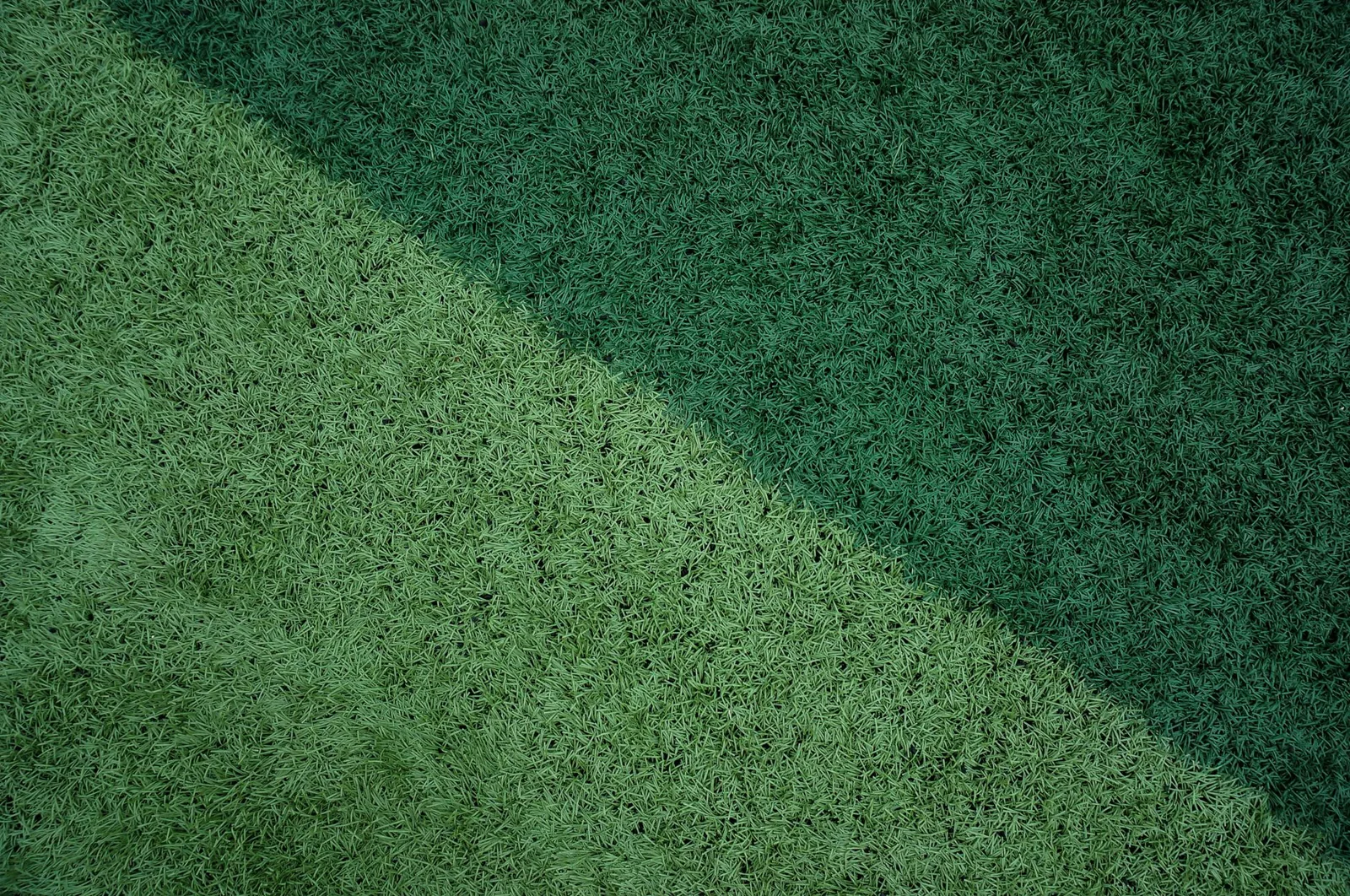
Photo by qwerty lllllliu via Pexels
How Much Water Each Lawn Uses
Water is where artificial turf earns back its higher price fastest, and it’s the main reason turf took off in the Southwest and California, where drought rules now limit or ban watering ornamental lawns in many districts.
A healthy cool-season sod lawn needs about 1 to 1.5 inches of water per week during the growing season. For a 1,000-square-foot lawn, that’s roughly 620 to 930 gallons per week, or around 2,500 to 3,700 gallons a month in peak summer. Warm-season grasses such as Bermuda and zoysia need less, but they still drink steadily in July and August.
Artificial turf uses zero irrigation water. The only water it ever sees is an occasional rinse to clear dust and pet waste, maybe a few gallons a few times a year. Homeowners in high-water-rate regions can save several hundred dollars a year on the water bill alone, which quickly narrows the up-front gap.
That savings isn’t hypothetical. The U.S. Environmental Protection Agency estimates outdoor water use accounts for nearly a third of total household water use, most of it going to lawns and landscaping. Swapping even part of a yard to turf is one of the fastest ways to cut a monthly utility bill, and the EPA’s WaterSense program offers rebates on outdoor water-saving upgrades in many municipalities.
Maintenance: Weekly Chores vs. Occasional Rinsing
The single biggest difference between the two surfaces is time. Sod is a living crop, and it behaves like one.
A sod lawn in season needs:
- Mowing once or twice a week in the spring and summer.
- Fertilizing two to four times a year.
- Weed control, either spot-spraying or pre-emergent treatments.
- Watering on a schedule, especially during the first year while roots establish.
- Overseeding or patching thin and bare spots each fall or spring.
Real grass also gets diseases, grubs, and compacted zones. None of it is hard, but it adds up to a reliable two to four hours a week during the growing season, plus a couple of full weekends a year for aeration and dethatching.
Artificial turf maintenance is limited to:
- Brushing the fibers once or twice a month to keep them standing upright.
- Rinsing the surface occasionally, more often if you have dogs.
- Removing debris such as leaves and twigs with a blower or rake.
- Spot-cleaning pet waste with water and mild soap.
That’s roughly an hour a month for most home. Turf doesn’t need fertilizer, weed killer, or a mower, and it can’t brown out from a skipped watering. If you have a busy schedule or travel often, that’s the entire pitch.
Durability and Lifespan Compared
Both surfaces hold up well, but they fail in different ways.
Artificial turf is rated for 15 to 25 years, and reputable manufacturers back it with an 8- to 15-year warranty. The backing and fibers are UV-stabilized, so they won’t fade dramatically in direct sun. Turf shrugs off foot traffic, games, and furniture. Its weak points are heat, so it gets hot in full summer sun and can become uncomfortable to walk on barefoot in the afternoon. It also shows seams if the installers stretch the rolls incorrectly, which is why a professional base matters more than the brand.
Sod has no fixed lifespan at all. Looked after properly, a lawn of ryegrass, fescue, or Bermuda can live for decades and simply spread to repair itself. The catch is that neglect shows up fast. Drought, disease, pet urine, and poor drainage can kill patches in a single season, and a bad stretch of weather can leave you resodding sections.
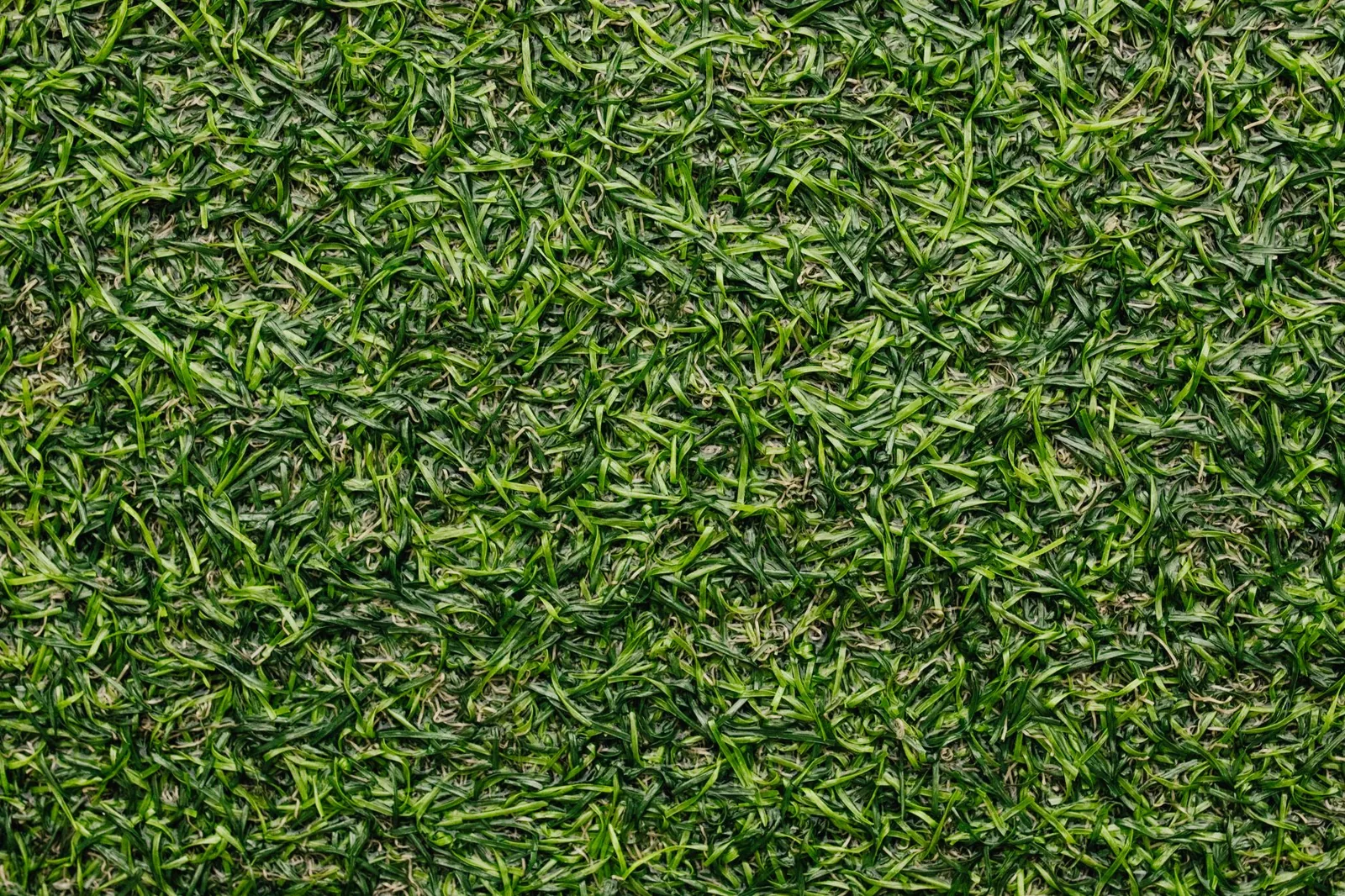
Photo by Jonathan Borba via Pexels
A useful way to think about it: turf is predictable and nearly indestructible but irreversible, while sod is resilient and self-healing but dependent on you and the weather.
Environment and Comfort Trade-Offs
Neither option is an obvious environmental winner, so it’s worth being clear-eyed about the trade-offs instead of trusting marketing on either side.
Artificial turf wins on water and chemicals. It eliminates irrigation, fertilizer, pesticides, and mower emissions for the life of the product. For a drought-prone region, that’s a meaningful footprint reduction.
Artificial turf loses on materials and heat. It’s a petroleum-based plastic, it isn’t biodegradable, and installers typically remove and replace it every couple of decades, which means it ends up in a landfill. It also runs hotter than grass, commonly 30 to 50 degrees Fahrenheit warmer than surrounding air on a sunny afternoon, and it can reduce habitat for insects and soil organisms that a lawn supports.
Sod wins on cooling and ecology. Living grass cools the air around a home, absorbs carbon, and supports a healthier soil ecosystem. According to the University of California’s research on urban cooling, a well-watered lawn can be noticeably cooler than pavement or synthetic surfaces.
Sod loses on resources. A lawn needs steady water, fertilizer, and mower fuel, and runoff carries fertilizer into storm drains.
The honest take: in a wet, mild climate, real grass is often the greener choice overall. In a hot, dry, water-scarce region, turf’s water savings usually outweigh its plastic footprint. If cooling or drainage matters to you, weigh those against cost in our breakdown of landscaping cost factors.
Where Each Option Fits Best
Think about how you actually use the space before you commit.
Choose artificial turf if:
- You live where water is expensive or restricted.
- You have dogs, kids, or heavy traffic that kills grass.
- You want a green lawn with almost no weekly work.
- You’re putting it in a shaded, sloped, or oddly shaped area where grass struggles to grow.
- You’re tired of resodding after every dry summer.
Choose sod if:
- You want natural grass underfoot and the cooler surface it provides.
- Your climate gets plenty of rain and mild summers.
- You enjoy, or don’t mind, the routine of lawn care.
- Your budget is tighter up front and you’d rather spread spending over the years.
- You plan to use the area for planting beds or real turf games that turf can’t replicate.
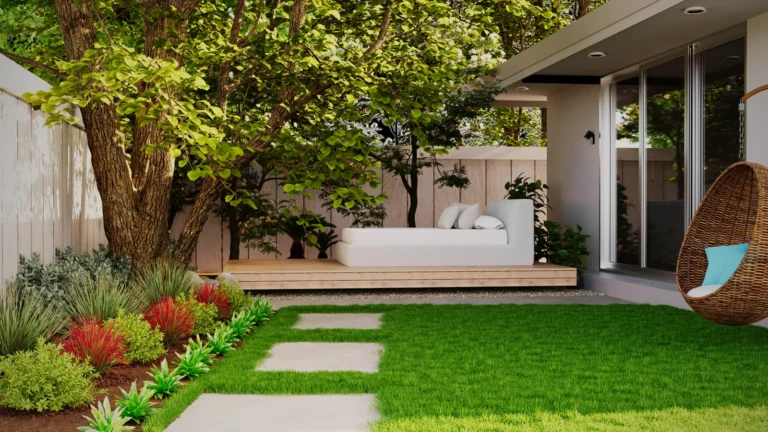
Many homeowners split the difference, using turf for a front yard that’s seen but rarely used, and keeping sod in a backyard or play area. For a fuller picture of what a full-yard project costs either way, see our guide to backyard landscaping cost.
Frequently Asked Questions
Is artificial turf cheaper than sod in the long run?
Usually, yes, in dry or high-water-rate areas. Turf’s higher up-front cost is offset by skipping water, fertilizer, mowing, and weed control. In mild climates with cheap water, a do-it-yourself sod lawn can stay cheaper for years.
How long does artificial turf last compared to sod?
Quality artificial turf lasts 15 to 25 years with normal care, while sod has no fixed lifespan and can persist for decades if maintained. Neglected sod can fail within a season, whereas turf keeps its look regardless of weather.
Does artificial turf get too hot for pets and kids?
It can. Turf absorbs heat and commonly runs 30 to 50 degrees Fahrenheit hotter than the air on sunny days. Lighter-colored turf, ad cooling infill, and shade help, but barefoot use in peak afternoon sun is uncomfortable in hot climates.
Can I install artificial turf over grass myself?
You shouldn’t. Turf needs a stable, well-draining base of compacted crushed rock, and skipping that step leads to dips, weeds, and seam separation. Sod can sometimes be laid by a determined DIY-er; turf rarely should be.
Which is better for resale value?
This varies by neighborhood. In water-conscious regions, a low-maintenance turf yard often reads as a plus. Elsewhere, a healthy natural lawn is the safer bet for broad buyer appeal. A tidy, intentional yard matters more than which surface you choose.
The Bottom Line
Artificial turf vs sod isn’t really a contest with a single winner; it’s a decision about trade-offs you’ll live with for a decade or more. Sod costs less up front and gives you a cool, living lawn, but it asks for water, mowing, and money every single week. Artificial turf costs thousands more on day one, then hands you back your weekends and your water bill and asks for almost nothing in return.
Pick sod if you have rain, mild heat, and either the time or the budget to maintain real grass. Pick turf if you have drought, restrictions, dogs, or a schedule that doesn’t include weekend yard work. Lay out your square footage, price both paths honestly, and match the surface to how your household actually lives. That’s the version of green that will still look right five years from now.