Landscaping Cost: What Homeowners Actually Pay in 2026
The landscaping cost for a typical American home lands somewhere between $5,000 and $25,000 for a professionally installed yard, with most full-yard projects coming in around $13,000 according to recent Angi data. If you are only refreshing a single flower bed or laying a modest walkway, you can get away with a much smaller outlay of $1,500 to $4,000. The honest answer is that there is no flat rate: what you pay depends on your yard’s size, the scope of work, your region, and whether you reach for a shovel or a phone.
That spread is why so many quotes for the same yard look nothing alike. One contractor prices a “landscape” as mowing, edging, and a few shrubs. Another scopes it as grading, drainage, a paver patio, irrigation, and 40 perennials. Before you sign anything, you need to know what drives the number so you can compare bids on equal footing and stop paying for surprises.
This guide breaks down realistic landscaping cost figures by project and per square foot, explains the factors that move the price, and shows where you can safely save without turning your curb appeal into a cautionary tale.
How Much Does Landscaping Cost for a Typical Home?
For a standard quarter-acre suburban lot, plan on a total landscaping cost of roughly $8,000 to $20,000 for a professional “full” installation that includes planting beds, sod or seed, edging, and fresh mulch. The national average hovers near $13,000, but that number hides two very different jobs.
Small, targeted projects cost far less:
- Basic cleanup and refresh: $1,000 to $3,000 for weeding, pruning, edging, and fresh mulch.
- Front-yard curb-appeal package: $2,500 to $6,000 for new foundation plantings, a small tree, and border edging.
- Full front-and-back overhaul: $10,000 to $40,000 when hardscaping, grading, and irrigation enter the picture.
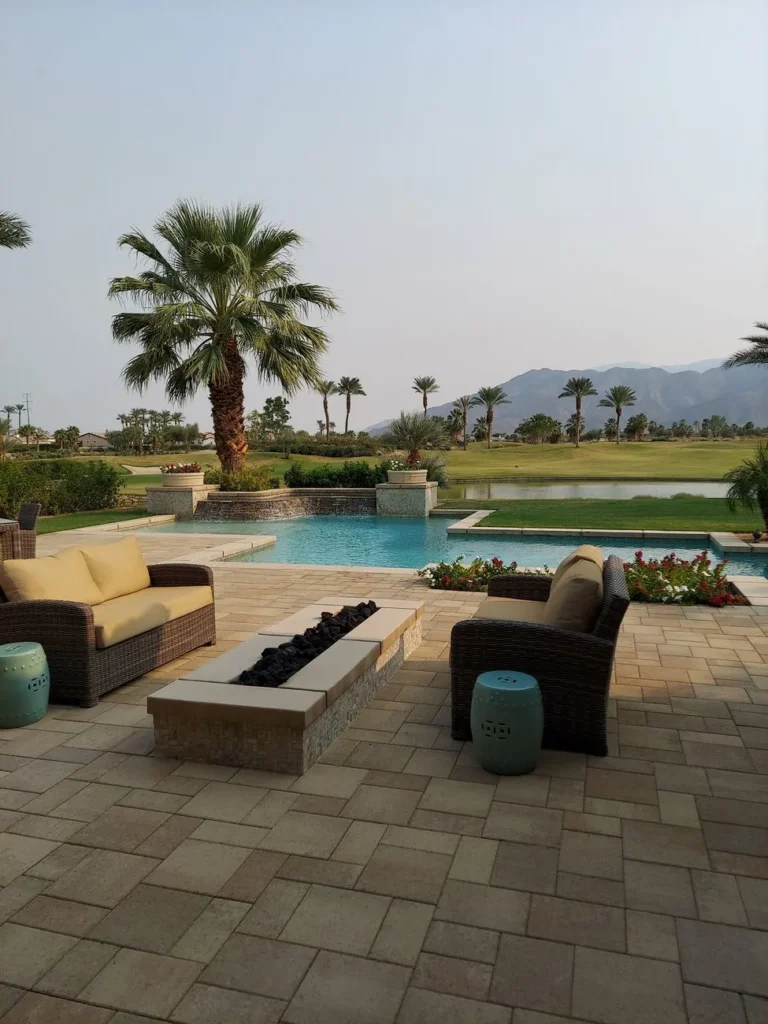
A useful rule of thumb: plants and softscape run $5 to $12 per square foot, while hardscape features like patios and walkways jump to $15 to $30 per square foot installed. The moment stone, concrete, or wood enters the design, your landscaping cost climbs steeply because you are paying for material, base prep, and skilled labor all at once.
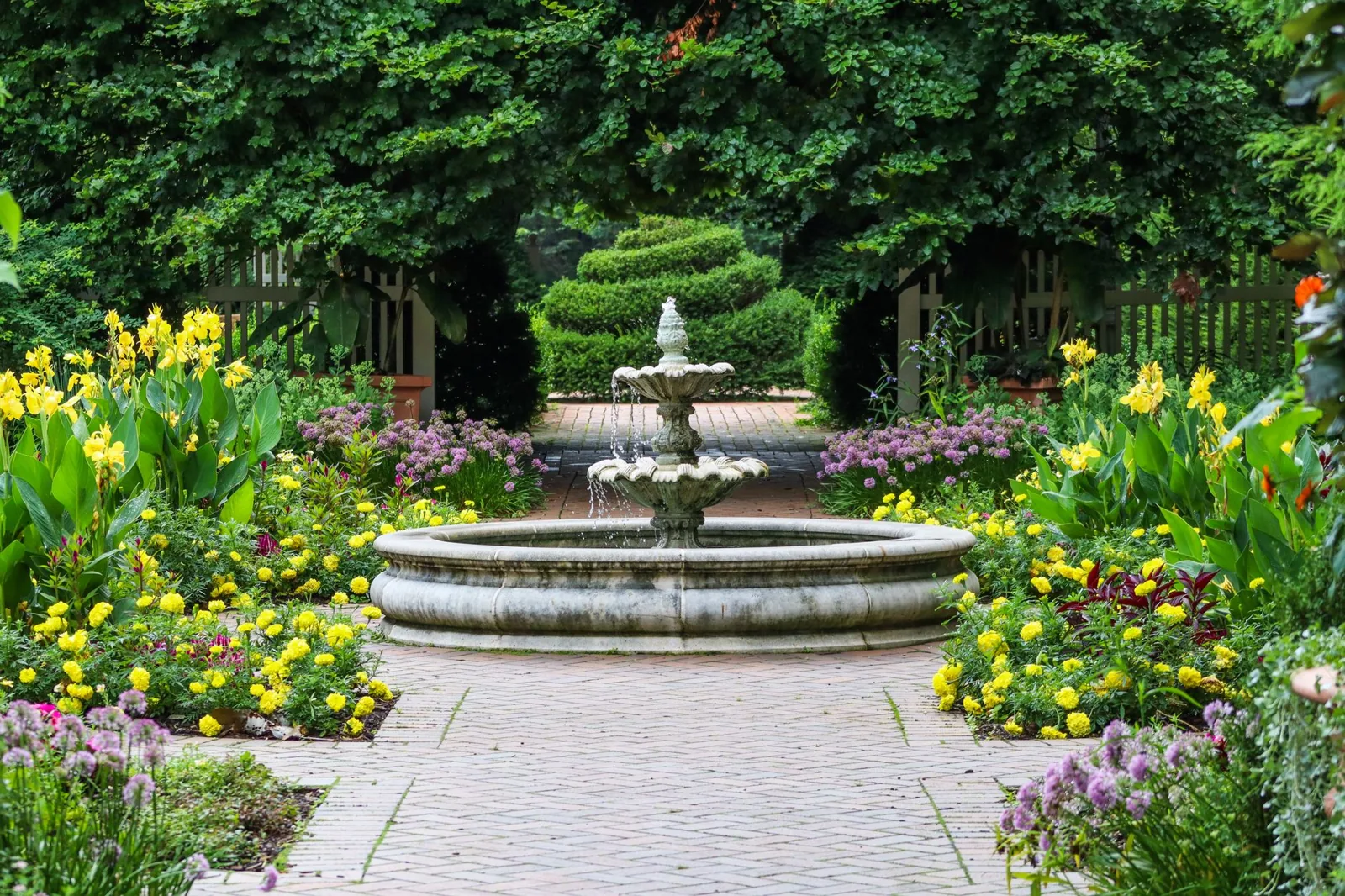
Photo by Karen F via Pexels
Landscaping Cost by Project Type
Breaking the budget into individual projects is the fastest way to see where your money goes. Here are the ranges contractors actually quote across the US for common jobs.
| Feature | Typical Cost Range | Notes |
|---|---|---|
| Sod installation | $1,800 to $6,000 | $1.20 to $2.50 per sq ft installed, plus site prep |
| Paver patio | $4,000 to $12,000 | $16 to $30 per sq ft for material and labor |
| Retaining wall | $3,500 to $14,000 | $25 to $60 per sq ft; taller walls need engineering |
| Artificial turf | $3,000 to $16,000 | $6 to $16 per sq ft installed |
| Landscape design only | $500 to $5,000 | Plan documents, some with 3D renderings |
| Sprinkler system | $2,500 to $5,500 | By zone; Rain Bird and Hunter are common brands |
| Outdoor lighting | $2,000 to $6,000 | Low-voltage fixtures run $100 to $300 each |
Some jobs overlap. A paver patio cost usually includes excavation, a gravel base, and sand bedding on top of the stone, which is why it rarely drops below $4,000 even for a small footprint. Compare that to a hardscaping cost quote for a walkway or fire-pit area and you will see the same labor math at work.
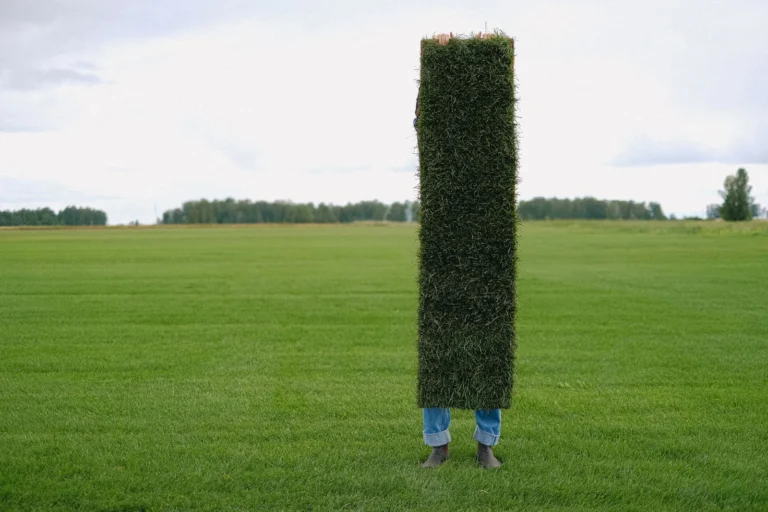
Sod and planting are the opposite: material is cheap, but prep and water matter. A pallet of sod costs $400 to $700 and covers about 450 square feet, yet a poorly graded or unwatered lawn fails within a season. When you see a suspiciously low sod bid, ask what is included in the prep.
What Determines the Landscaping Cost?
Five factors swing almost every bid, and knowing them lets you push back on inflated line items.
- Yard size and access. A quarter-acre yard with a gate a wheelbarrow can reach costs far less to service than a half-acre with only a 36-inch side path. Poor access forces crews to haul material by hand.
- Slope and grading. Sloped lots need terracing, more retaining wall, and drainage. Expect a 20% to 40% premium on anything that is not flat.
- Materials. Flagstone and natural stone cost two to three times poured concrete or basic pavers. Native plants are cheaper long-term than thirsty exotics.
- Labor and region. Coastal metro areas run 30% to 50% higher than the Midwest and South. Landscapers bill $50 to $150 per hour depending on market.
- Timing. Spring and early summer are peak season. Booking in late fall or winter can trim 10% to 20% off a quote.
Design complexity is the silent sixth factor. A curving paver walkway with a step-down fire pit requires more cuts, more time, and more skill than a straight path, and the price reflects every extra hour.
Landscaping Cost per Square Foot
When contractors quote by the square foot, here are the working numbers to anchor your math:
- New landscaping (plants, soil, mulch): $5 to $12 per sq ft
- Sod with prep: $1.20 to $2.50 per sq ft
- Pavers and hardscape: $16 to $30 per sq ft
- Artificial turf: $6 to $16 per sq ft
- Mulch alone: $5 to $7 per sq ft installed, or $50 to $70 per cubic yard
Multiply your area by the low and high ends to build a realistic bracket before you call for quotes. A 500-square-foot backyard landscaping cost at $8 per square foot is $4,000; the same space in pavers at $25 per square foot is $12,500. That single decision can triple the budget.
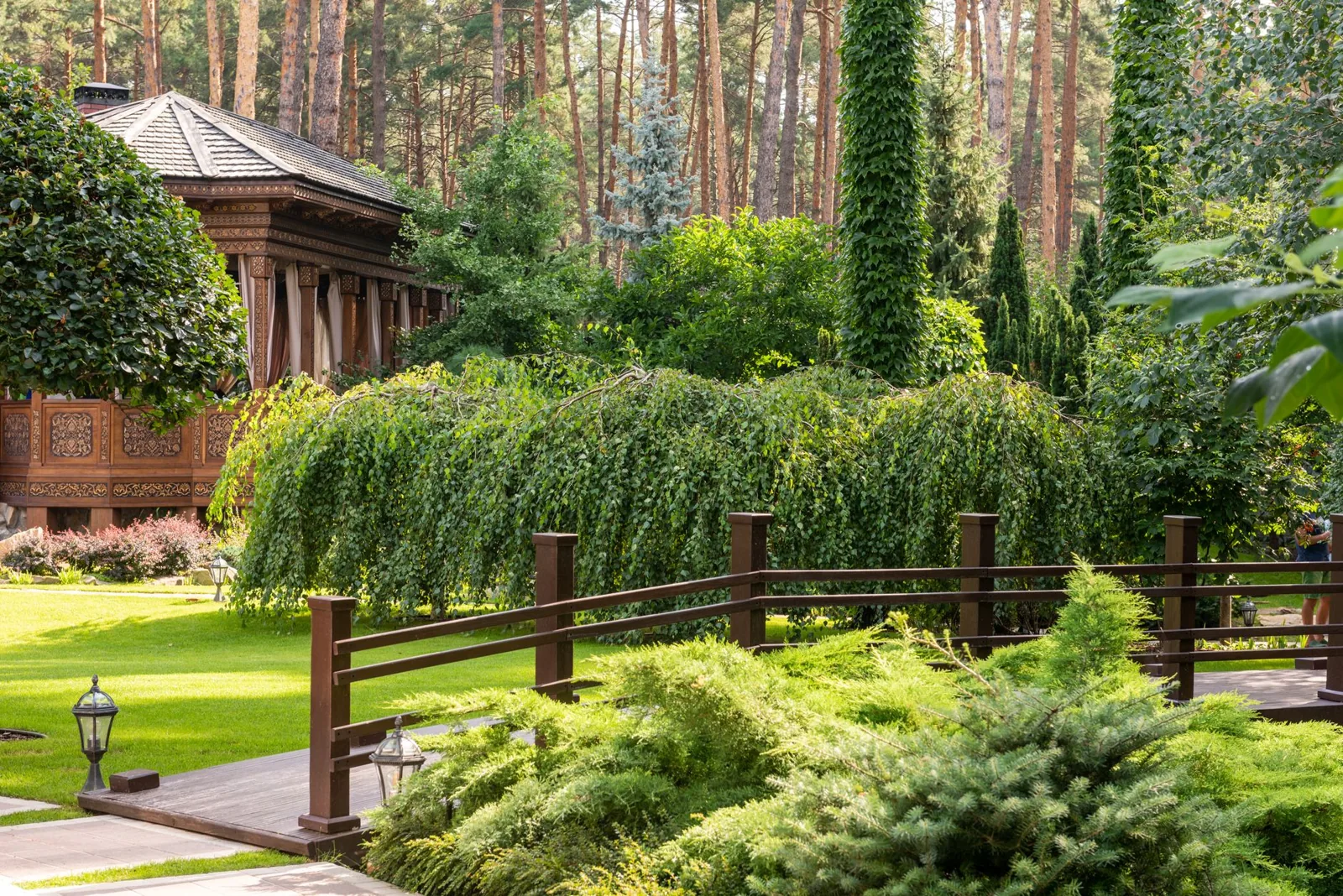
Photo by Max Vakhtbovych via Pexels
DIY Landscaping vs. Hiring a Pro
Labor accounts for roughly half of most landscaping cost, so doing it yourself can cut a project’s price by 50% to 70%. The tradeoff is time, tools, and a steeper learning curve than most weekend warriors expect.
DIY makes sense for:
– Mulching, planting annuals, and edging beds
– Laying a small paver walkway on flat ground
– Installing low-voltage path lighting
– Seeding a lawn with a spreader and a starter fertilizer like Scotts Turf Builder
Hire a pro for:
– Grading and drainage work
– Retaining walls over three feet
– Irrigation systems tied to your main line
– Anything involving heavy stone, concrete, or machinery
The equipment cost eats DIY savings fast. A weekend of paver work can mean renting a plate compactor and a sod cutter at $60 to $120 a day, plus buying gravel, sand, and a few hundred pounds of pavers. If you will use the tools once, the pro bid often wins on value. Reputable contractors are licensed and insured, and their work typically outlasts a rushed self-install by years.
How to Budget for Landscaping Without Overspending
A disciplined budget keeps a $6,000 plan from becoming a $14,000 invoice. Start with three quotes, and insist on line-item detail, not a single lump sum.
- Separate hardscape from softscape. Stonework is where costs balloon; decide on that first and build planting around it.
- Phase the work. Install hardscape and irrigation year one, plants and lighting year two. Phasing smooths cash flow without compromising the design.
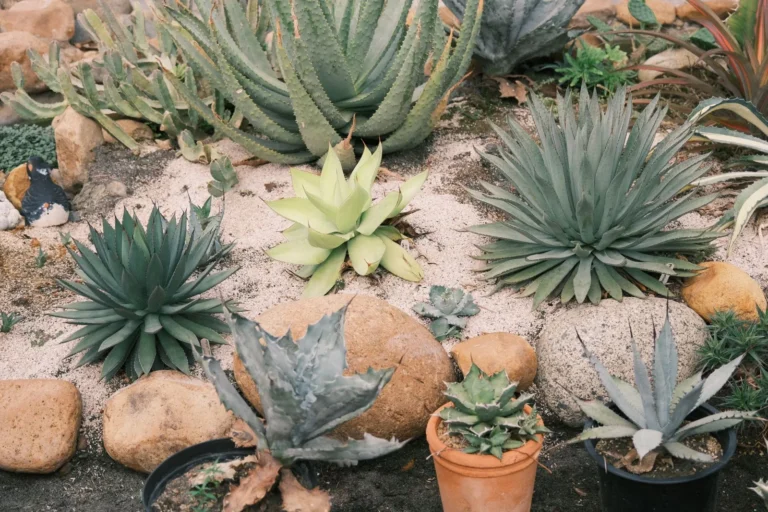
- Buy small and let plants grow. A one-gallon shrub for $15 performs like a five-gallon at $60 within two or three seasons.
- Choose native, low-water plants. They cost less over time and often qualify for local rebates. The EPA and local utilities publish guides on water-wise landscaping.
- Build in a 10% to 15% contingency. Soil surprises, sprinkler breaks, and tree removals happen on real job sites.
For a deeper look at how stone features affect the total, our paver patio vs stamped concrete comparison walks through the durability and price tradeoffs before you commit.
Frequently Asked Questions
What is the average landscaping cost in 2026?
Most homeowners pay between $5,000 and $25,000 for professional landscaping, with a national average near $13,000. Small refresh projects can run under $3,000.
How much does landscaping cost per square foot?
Softscaping runs $5 to $12 per square foot, while hardscaping like pavers runs $16 to $30 per square foot installed. Mulch alone is about $5 to $7 per square foot.
Is it cheaper to DIY landscaping?
Yes, doing it yourself typically saves 50% to 70% on labor, but that is offset by equipment rental, time, and the risk of redoing mistakes. Mulching, planting, and small walkways are safe DIY territory.
When is the cheapest time to hire a landscaper?
Late fall and winter are the off-season in most markets, and many companies discount 10% to 20% to keep crews busy. Materials are also sometimes cheaper outside the spring rush.
Does landscaping add to home value?
Well-maintained landscaping can add 10% to 15% to a home’s resale value, according to industry estimates cited by sources like This Old House and Bob Vila. Curb appeal and mature trees are consistently strong sellers.
For a line-item breakdown, Angi lists landscaping costs by project.
The Bottom Line
Landscaping cost is a range, not a number, and the difference between a $6,000 refresh and a $25,000 transformation comes down to scope, materials, and labor. Anchor your planning on the per-square-foot figures above, get three line-item quotes, and separate your hardscape decisions from your planting budget. That discipline alone prevents most of the overruns homeowners hit.
If you are ready to start, map your project by the square foot, settle the hardscape versus softscape split first, and book in the off-season if your timeline allows. Your yard writes the check either way. A smart budget just means you decide how much it is before the crew shows up.