Rock Garden Ideas: 17 Stunning Designs for Every Yard
A rock garden turns the hardest part of your landscape — a hot slope, a bare patch where grass refuses to grow, a narrow strip of dry soil — into one of the least demanding features on your property. The best rock garden ideas are not just decorative; they cut your water bill, survive drought, and need almost no mowing or fertilizing.
The appeal is straightforward. Stones never need watering, and the plants that thrive in rock gardens — sedums, succulents, ornamental grasses, and alpine species — evolved to live in thin, fast-draining soil. Pair them right and you get a composed, year-round landscape that looks intentional even in late August when the rest of the yard is crisp.
Why a Rock Garden Works Almost Anywhere
Rock gardens solve a real problem most yards have. The soil under eaves stays dry because the roof dumps water elsewhere. A south-facing slope bakes in the sun. Tree roots choke out turf. Every one of those spots is a candidate for a rock garden, because rocks and drought-tolerant plants do not fight the conditions — they are built for them.
There are practical advantages too. A rock garden typically costs less to run than a lawn of the same size once it is established. You stop paying for irrigation, fertilizer, and weekly mowing. And because the ground is covered with stone and dense, low plants, weeds get less room to establish.
Small-Space Rock Garden Ideas
Not every rock garden needs a hillside. Some of the most effective ones fit into a corner of a suburban yard.
1. The Corner Stone Bed
Frame a bare corner with a few large anchor boulders, then fill the space with pea gravel and a handful of low sedums. The boulders give it weight; the gravel gives it texture; the plants give it life.
2. The Strip Garden
Along a driveway or walkway, lay a narrow band of river rock and tuck in creeping thyme, hens-and-chicks, and a couple of upright grasses. It reads as a clean edge and needs almost nothing from you.
3. The Xeriscape Pocket
If your area has watering restrictions, a xeriscape pocket — stone mulch, gravel, and a few sculptural agaves or yucca — is one of the most reliable rock garden ideas for keeping a tidy look with near-zero water.
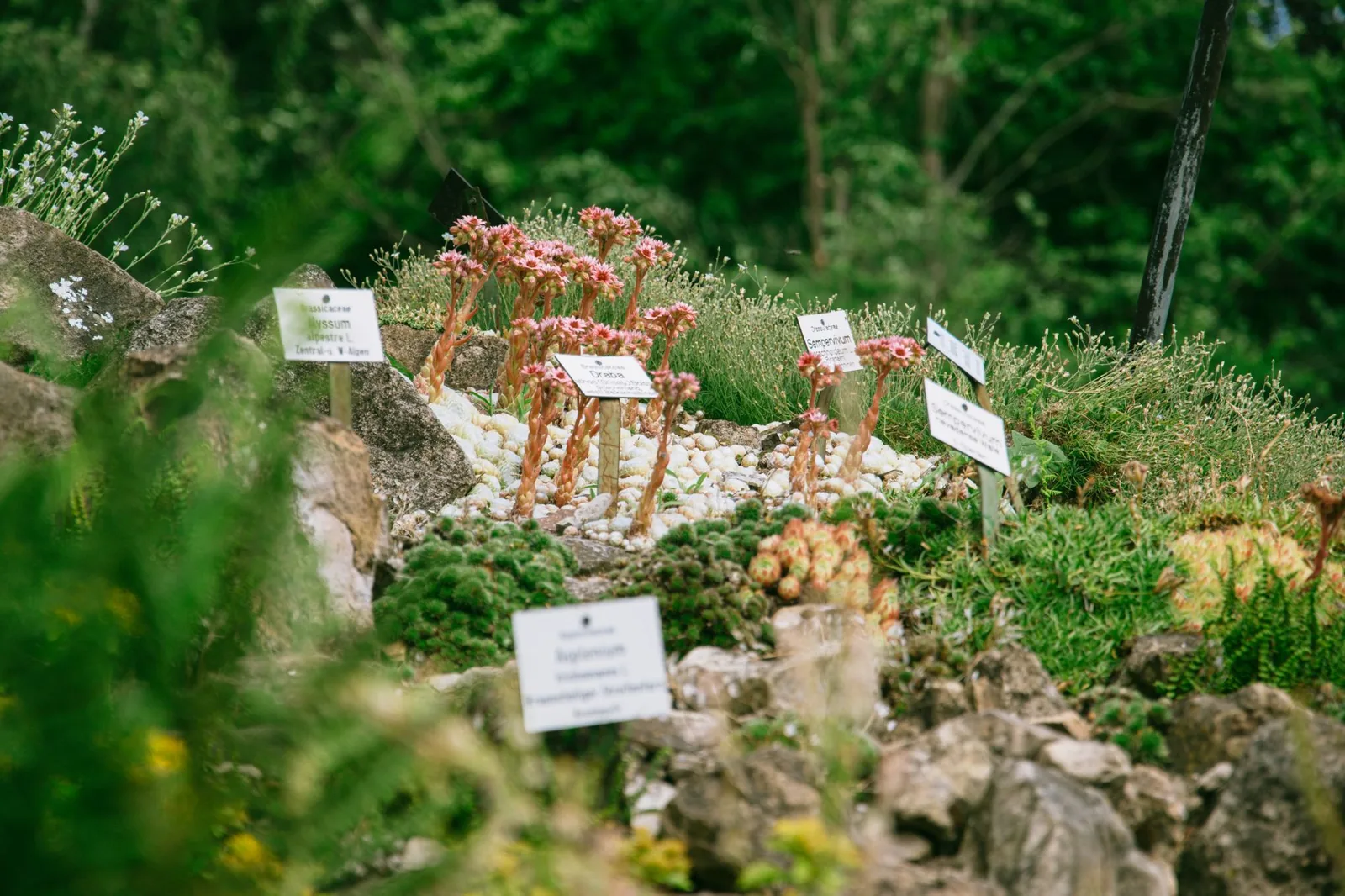
Photo by Laura Link via Pexels
Hillside and Slope Rock Garden Ideas
Slopes are where rock gardens genuinely solve a problem, because erosion is the default there. Stone holds the soil and slows runoff while the plants root into the gaps between them.
4. The Terraced Slope
Cut a steep bank into two or three low terraces held by stacked stone. Each level gets its own planting pocket, and water soaks in at each step instead of washing straight down.
5. The Boulder Garden
Set large, partially buried boulders into a slope so they look like natural outcroppings rather than placed rocks. Plant low creepers around their bases. The effect is a mountain side in miniature.
6. The Dry Stream Bed
A curving channel of rounded stone running down a slope reads as a dry creek and directs water harmlessly. Line the edges with grasses and it doubles as a drainage feature and a focal point.
Rock Garden Ideas by Style
The style you choose sets the tone for the whole yard, and it usually follows the character of your house and climate.
7. The Zen Garden
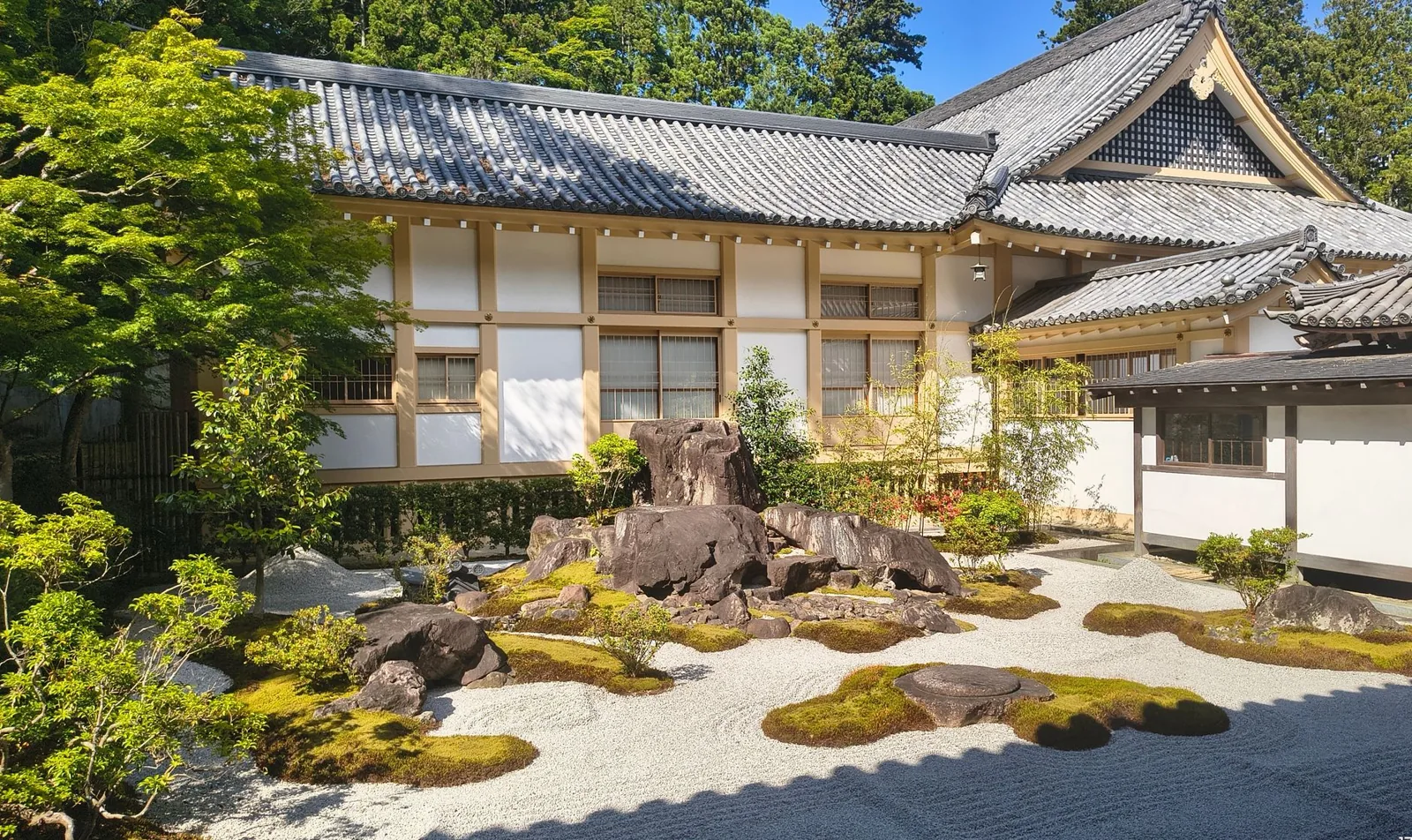
Inspired by Japanese dry gardens, a Zen rock garden uses raked gravel, a few carefully placed stones, and maybe one specimen plant. It is about restraint — open gravel surface, negative space, and a simple focal boulder.
8. The Cactus and Succulent Garden
In dry, hot climates, a bed of decomposed granite studded with barrel cactus, agaves, and hardy sedums delivers color without irrigation. The rock does the mulching and the plants do the drama.
9. The Alpine Rockery
For cooler climates, a rockery built from flat stones arranged in pockets mimics a mountain scree slope, and it is the natural home for alpine plants, dwarf conifers, and creeping ground covers.
10. The Waterless Stream
A dry creek bed of rounded river stone winding through a border gives the eye a path to follow and channels rainwater away from the house during storms. It doubles as drainage and as a design feature that needs no planting at all.
Choosing Plants for Your Rock Garden
The plants make or break the design. Stick to species that like full sun, sharp drainage, and lean soil — the classic rock-garden palette does the heavy lifting.
- Sedums and succulents (stonecrop, hens-and-chicks): low, colorful, nearly indestructible.
- Creeping thyme and phlox: ground covers that soften stone edges.
- Ornamental grasses (blue fescue, feather reed grass): upright texture that contrasts the rocks.
- Alpine flowers (dianthus, aubrieta): compact blooms that tolerate poor soil.
- Dwarf evergreens (dwarf spruce, juniper): year-round structure and green.
Group plants by water need rather than by color. The whole point of a rock garden is that nothing in it is thirsty.
Color, Texture, and Contrast
The best rock gardens play stone against plant. Pair warm-toned stone with silver and blue foliage, or cool gray gravel with red-tinged sedums. Vary the stone size — a couple of large anchor boulders, mid-sized rocks, and fine gravel — so the eye can move across the surface.
Repeat one rock type and one plant type throughout the bed. Repetition makes even an informal arrangement feel deliberate, while too many different materials read as a pile rather than a garden.
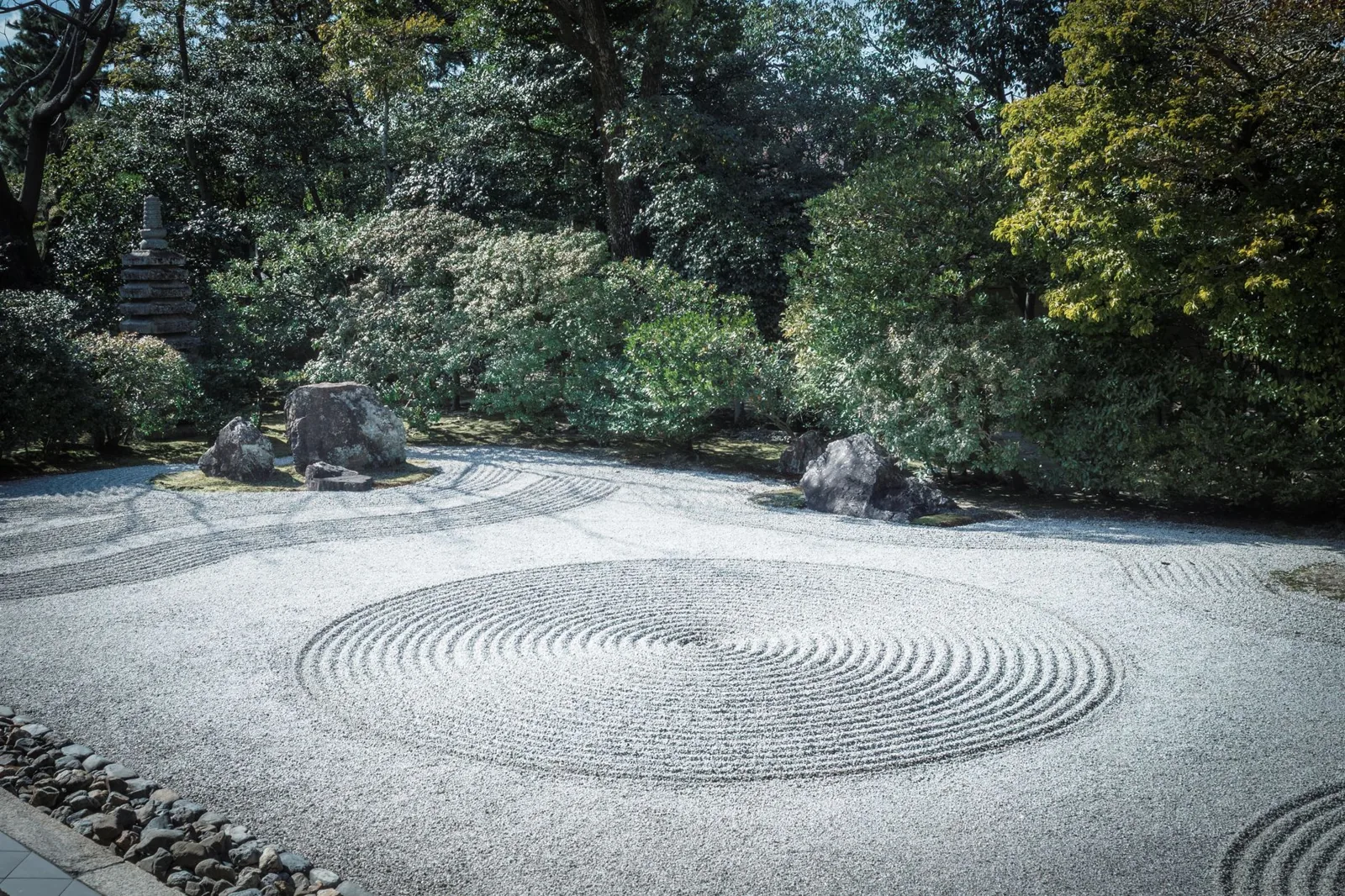
Photo by Leongsan Tung via Pexels
How to Build a Rock Garden Step by Step
Building a rock garden is honestly simple, and it is weekend work for most yards.
- Pick the spot — the sunniest, driest, worst-draining corner is usually the best candidate.
- Clear and level — remove turf and weeds, then dig down a few inches for a gravel base.
- Lay landscape fabric — it blocks weeds while letting water through.
- Add a drainage layer — two to three inches of crushed gravel keeps roots from sitting wet.
- Place large rocks first — bury the bottom third of each boulder so it sits naturally.
- Fill with planting mix — a gritty, fast-draining mix beats heavy topsoil.
- Plant, then mulch with stone — tuck plants into pockets, then top-dress with gravel.
A small rock garden under 100 square feet can be built for a few hundred dollars in materials, and the plants are often the cheapest line item.
Rock Garden Cost and What Drives It
Budget for a moderate rock garden runs roughly $10 to $25 per square foot professionally installed, with the stone itself being the biggest variable. River rock and pea gravel are inexpensive, imported boulders and flat moss rock are not. If you do the labor yourself, the cost drops substantially because stone, fabric, and plants are all you are buying.
| Element | Budget Range (approx.) |
|---|---|
| River rock / pea gravel | $40–$120 per ton |
| Small boulders | $60–$200 each |
| Large anchor boulders | $300–$900 each |
| Landscape fabric | $0.15–$0.50 per sq ft |
| Drought-tolerant plants | $4–$15 per plant |
Seasonal Care and Maintenance
A rock garden is not a zero-care garden, but it is a low-care one. Pull the occasional weed that seeds into the gaps, replenish gravel that thins out, and cut back dead growth in late winter. Avoid rich fertilizer — it pushes leggy growth the plants cannot support. In cold climates, a light gravel mulch over crowns protects roots through winter.
Frequently Asked Questions
Do rock gardens need watering?
Once established, most rock-garden plants need water only during prolonged drought. The first few months after planting, water regularly so the roots dig in.
What is the best rock for a rock garden?
Locally sourced stone looks most natural and costs less to ship. Limestone, granite, and river rock are all solid choices depending on the look you want.
Can I put a rock garden in the shade?
Yes, but you will need shade-tolerant plants such as ferns, hostas, and moss instead of the usual sun-loving succulents.
Do rock gardens attract weeds?
Less than soil beds, especially with landscape fabric and a gravel mulch. The few weeds that do appear pull out easily from loose stone.
Are rock gardens expensive to install?
Not necessarily. A DIY bed is mostly the cost of stone, and a small one runs a few hundred dollars. The professional premium is in the labor of moving and placing rock.
For plant selection and care, the Royal Horticultural Society covers alpine and rock garden plants.
The Bottom Line
Rock garden ideas give you a way to turn the driest, thinnest, most stubborn corner of your yard into its best-looking feature with less work than a lawn would ever demand. Start with the site, lay a proper drainage base, pick drought-tolerant plants you actually like, and repeat a few rock and plant types for a look that holds together. For more on lowering the overall scope of your project, see our guides on landscaping cost and hardscaping cost, or explore xeriscaping ideas and drought tolerant landscaping ideas to keep water use to a minimum.