Landscaping Ideas for Front of House: Curb Appeal on Any Budget
Your front yard is the first thing anyone sees, and it sets the tone for the whole property. Good landscaping ideas for front of house don’t have to run into five figures — most of the impact comes from a clean walkway, layered plantings, and a well-defined entry, not from a wholesale redesign. Whether you’re putting the house on the market or just tired of a tired-looking lawn, the right moves recover value fast.
Real estate appraisers and home-sale studies consistently rank curb appeal among the highest-return exterior upgrades, often back-of-napkin figures of 100% or more on modest landscaping work versus what a full kitchen remodel returns. This guide walks through practical front-of-house landscaping options, what they cost, and which ones are worth doing first.
Start With a Walkway That Welcomes
The path from sidewalk to front door is the backbone of your front yard. If visitors’ eyes travel along a cracked, narrow, or muddy path, nothing else you plant will read as intentional. Replacing or upgrading the walkway is usually the single best first move.
Concrete pavers run roughly $10 to $30 per square foot installed, depending on pattern and site prep, while a simple poured-concrete walk costs $6 to $20 per square foot. Natural flagstone sits higher — $15 to $35 per square foot, with the benefit of a look that ages well. For a budget refresh, keep the existing base and replace only the damaged sections, or edge a plain concrete walk with brick or stone to make it look laid.
A walkway four to five feet wide lets two people walk side by side, which reads as more welcoming than a narrow single-file strip. Curved or gently angled paths tend to photograph better and feel more expensive than perfectly straight runs.
Layer Foundation Plantings Along the House
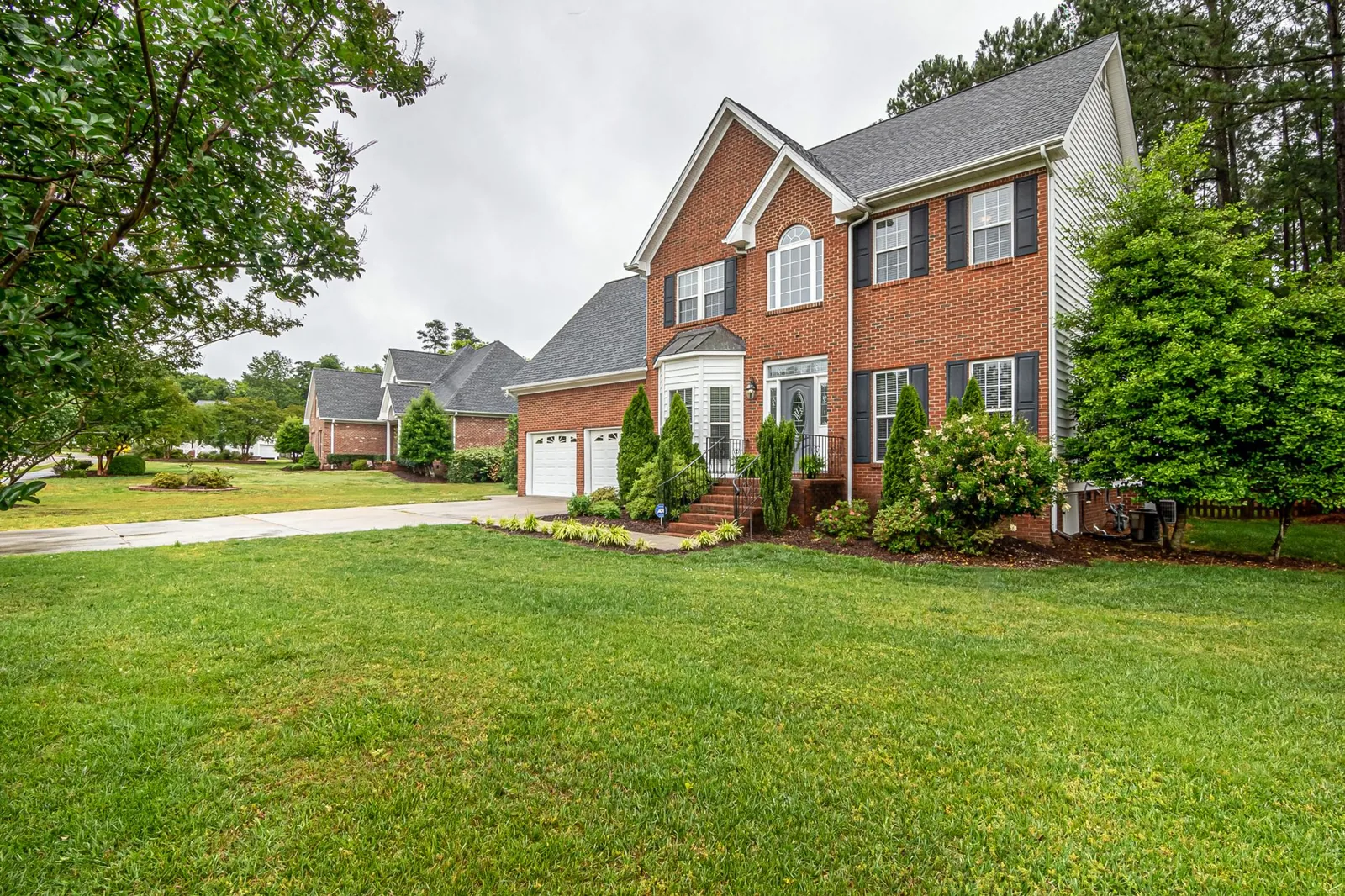
Photo by Curtis Adams via Pexels
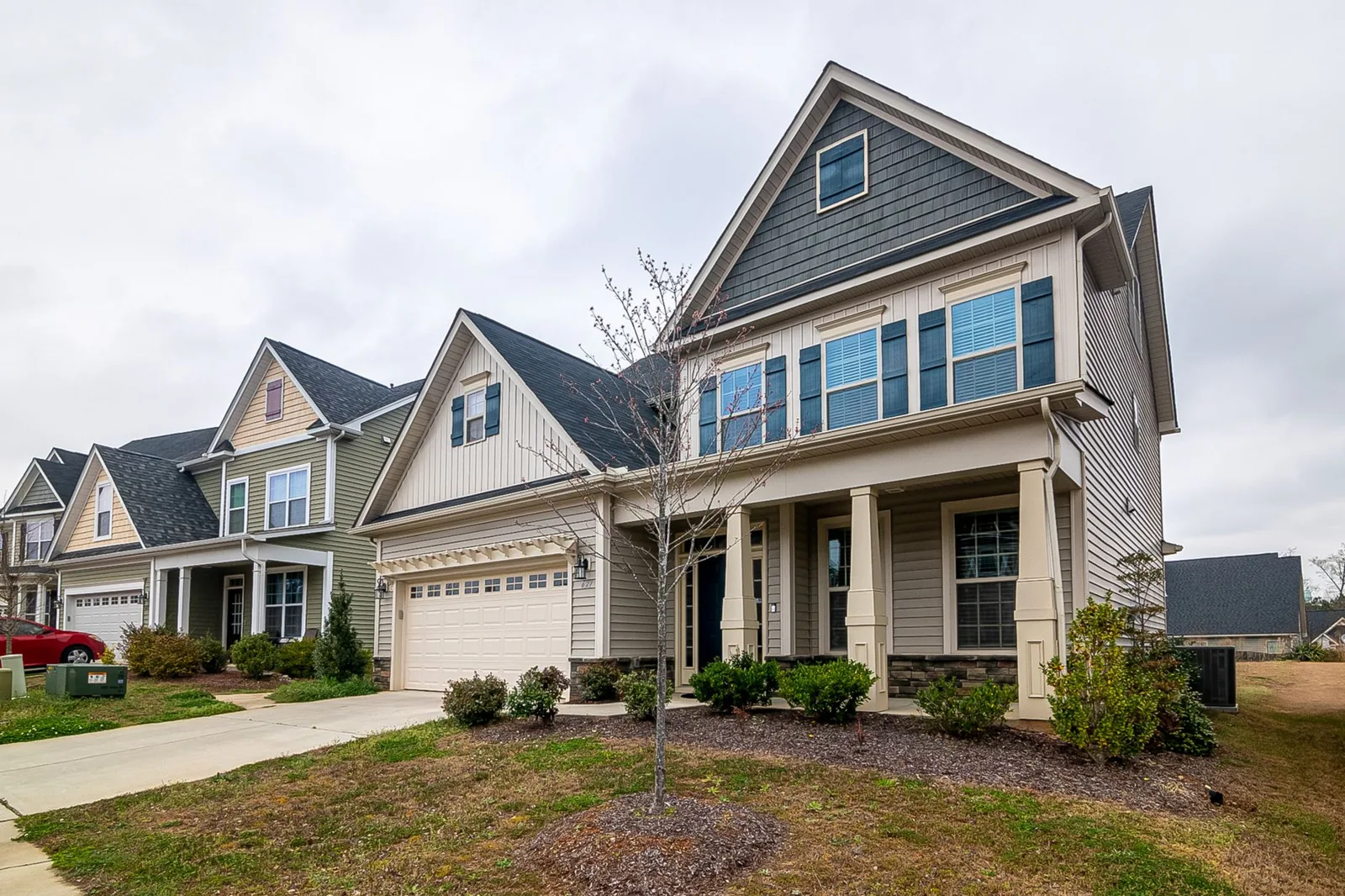
The strip between the foundation and the lawn is where most front yards earn or lose their look. The classic mistake is a single row of identical shrubs planted in a straight line. Instead, think in three layers: tall anchor plants against the wall, mid-height fillers in front, and a low ground cover at the edge.
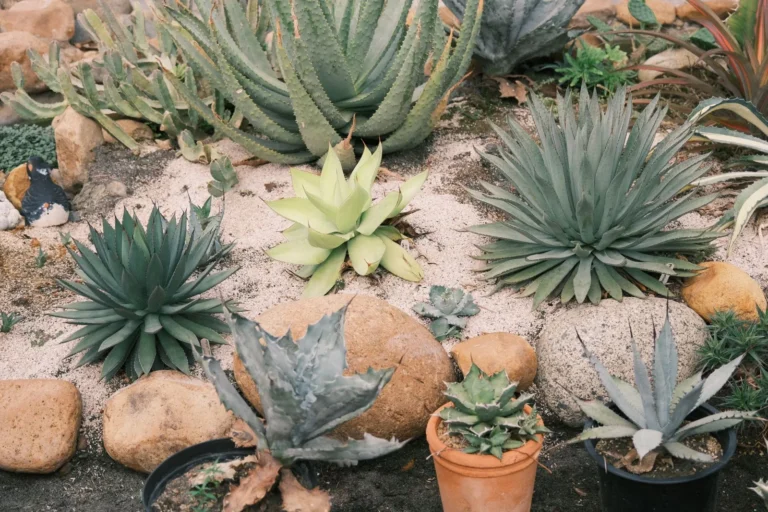
A dependable, low-water combination for most of the US is boxwood or dwarf arborvitae as anchors, hydrangea, salvia, or catmint in the middle, and creeping sedum, phlox, or ajuga as ground cover. In hotter zones, swap in Indian hawthorn, lantana, or rosemary. In northern gardens, hostas, coral bells, and daylilies fill the same roles.
Keep scale in mind. A shrub that matures to six feet should sit at least three feet off the foundation so it doesn’t crowd the siding or block windows. Foundation plantings should also slope the soil away from the house at about 6 inches of drop over the first 10 feet to protect the foundation from water.
Landscaping Ideas for Front of House by Budget
If you’re deciding where to spend first, it helps to bucket the options. Here’s how the main front-of-house upgrades compare on cost and payoff.
| Feature | Budget option | Mid-range option | Typical installed cost |
|---|---|---|---|
| Walkway refresh | Edge and repair existing concrete | New paver walkway | $2,000–$8,000 |
| Foundation beds | One-yard border, 3–5 shrubs | Layered beds with mulch and edging | $500–$3,000 |
| Lawn / ground cover | Overseed and fertilize | Artificial turf or full sod | $1,500–$15,000 |
| Entry lighting | Solar path lights | Hardwired landscape lighting | $300–$3,500 |
| Porch / entry | Paint door, new hardware | New front door or stone landing | $200–$6,000 |
The highest-return items are usually the cheapest per dollar: a freshly painted front door, defined bed edges, clean mulch, and a trimmed lawn outperform a pricey stone wall almost every time. Save structural hardscaping — patios, retaining walls, permanent lighting — for the second wave after the basics are in place. If you want to understand how those bigger jobs price out, read our breakdown of hardscaping cost and the paver patio cost guide.
Add Structure With Hardscaping and Defined Edges
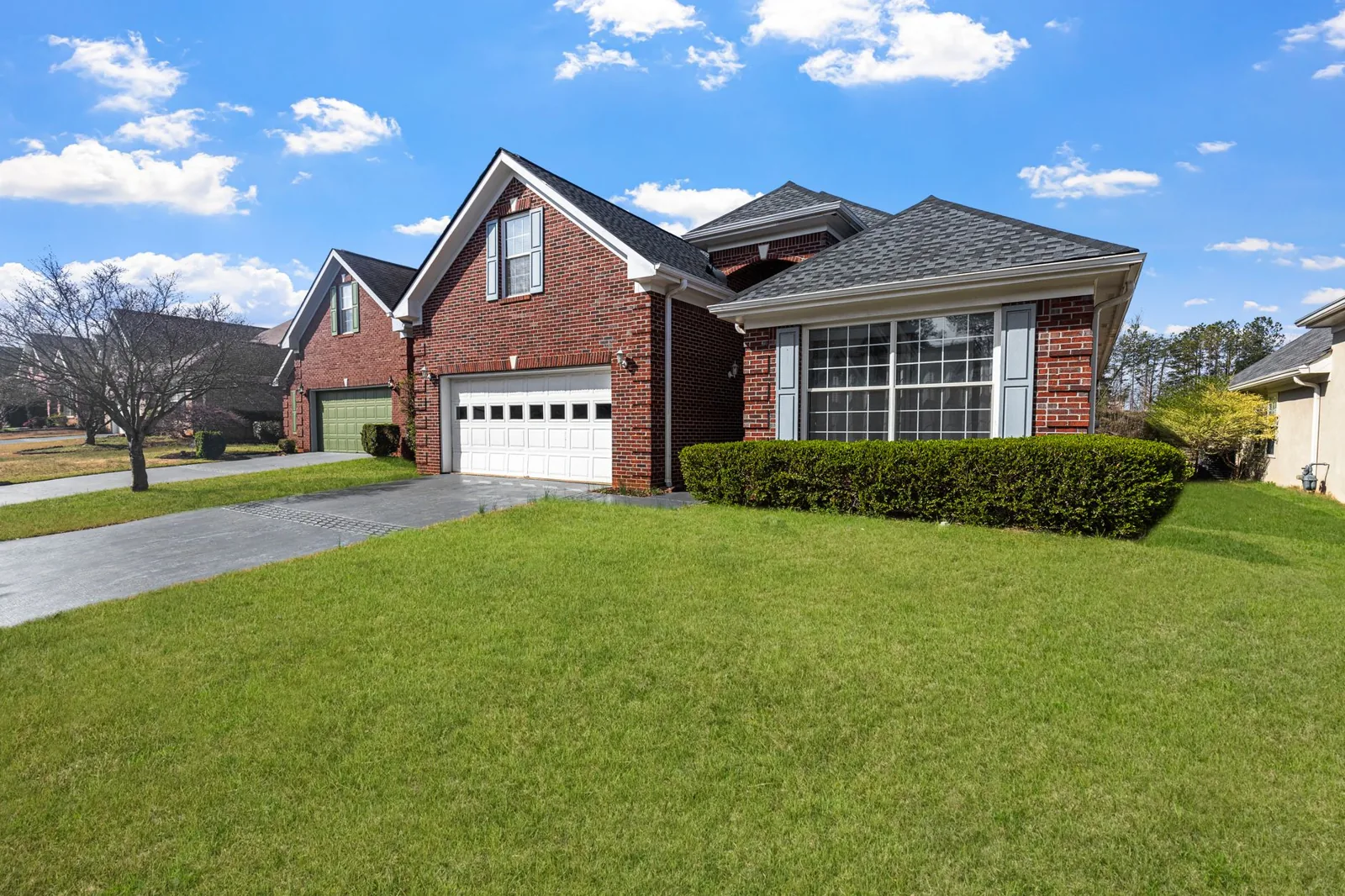
Photo by JAELEN KEMPSON via Pexels
Hardscaping is what gives a front yard its bones. A short retaining wall, a stone or steel bed edge, or a defined border between lawn and planting bed makes everything look deliberate, even if the plants are modest.
Steel or aluminum edging costs about $3 to $8 per linear foot and gives a modern, crisp line. Concrete landscape edging runs $5 to $12 per linear foot installed. A dry-stacked stone retaining wall for a sloped front yard is a bigger project — $30 to $60 per square foot of wall face — but it’s often the difference between a usable front yard and one that erodes onto the sidewalk.
Don’t overlook the driveway edge and the strip between walkway and lawn. These narrow, ignored zones are cheap to upgrade with edging and a hardy ground cover, and they frame the rest of the yard. For larger hardscape projects like patios and pathways, our paver patio vs. stamped concrete comparison lays out the trade-offs.
Light the Entry and the Path
Lighting is the finishing move most people skip. A few well-placed fixtures make the front of the house visible and safe at night and give the landscaping a second life after dark.
Solar path lights are the cheapest entry point — $5 to $40 per fixture — but light output is weak and uneven, and cheap ones fail within a season. Hardwired low-voltage landscape lighting costs $3,000 to $6,500 for a full front-yard package with a pro install, usually including path lights, wash lights on the facade, and up-lighting on one or two specimen trees.
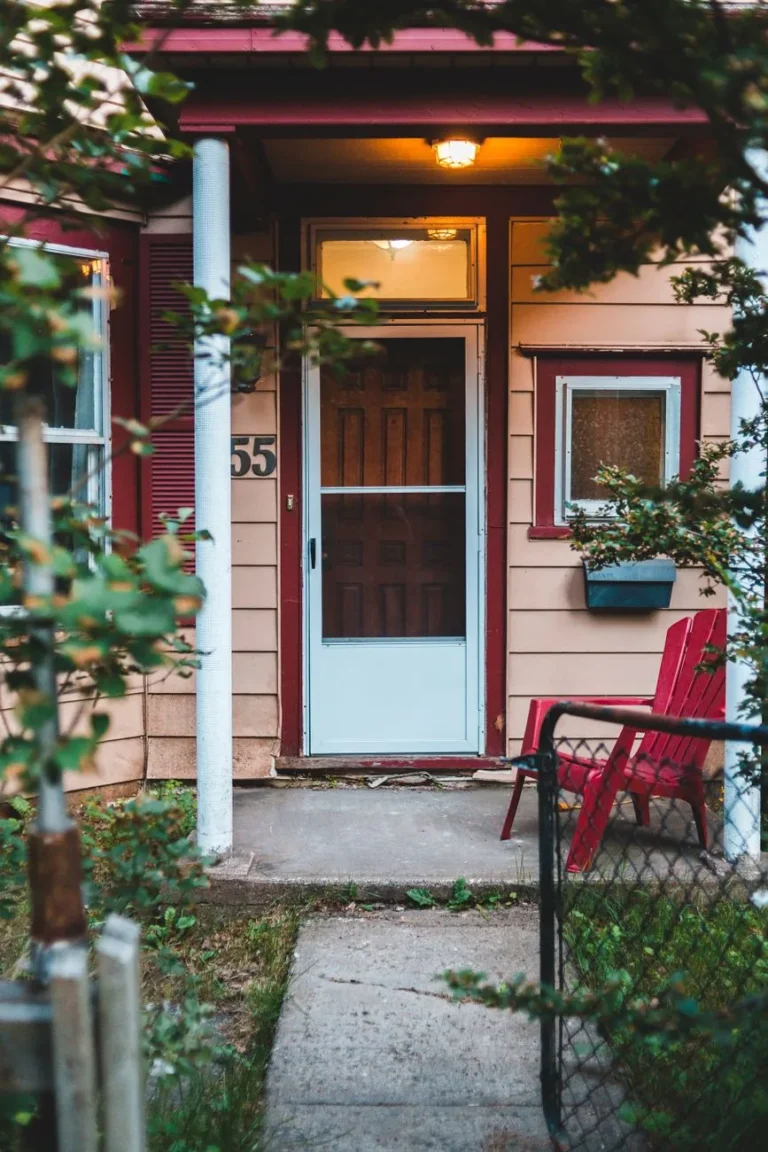
If you do nothing else, add a pair of wall lanterns flanking the front door and a single up-light on your best tree. These anchor the composition at night and cost a fraction of a full system.
Keep It Low-Maintenance
The most common regret after a front-yard makeover is picking plants that demand constant attention — high-water lawns, fast-growing hedges that need monthly shearing, and bloom cycles that leave everything bare in winter. Design for the maintenance you’ll actually do.
- Choose native or drought-tolerant plants for your zone; they need less water and fewer chemicals.
- Replace all or part of the lawn with ground cover, mulch beds, or artificial turf in hard-to-water areas.
- Use a 2- to 3-inch layer of hardwood mulch; it suppresses weeds and holds moisture and only needs topping up once a year.
- Group plants with the same water needs together so one irrigation zone covers them.
- Skip plants with messy fruit or heavy leaf litter near the walkway and car.
A low-maintenance front yard doesn’t have to look sparse. Dense, layered plantings actually crowd out weeds better than a sparse bed and require less visible upkeep than a lawn that needs weekly mowing and edging.
Frequently Asked Questions
What is the cheapest way to landscape the front of a house?
Refresh what you already have. Weed and edge the beds, lay fresh mulch, trim overgrown shrubs, power-wash the walkway, and paint the front door. All five together typically cost under $500 in materials and deliver the most visible improvement per dollar spent.
How much does front yard landscaping cost?
A modest DIY refresh runs $500 to $2,000. A professional front-yard makeover — new walkway, layered beds, edging, and lighting — commonly lands between $8,000 and $25,000 depending on hardscaping and site conditions. See our full landscaping cost guide for a more detailed breakdown.
What plants are best for the front of the house?
Low-maintenance, zone-appropriate shrubs and ground covers. Boxwood, hydrangea, salvia, and sedum work across much of the US; swap for rosemary and lantana in hot zones or hostas and daylilies in cool ones. Choose evergreens for year-round structure and add seasonal bloom for color.
Should the walkway be curved or straight?
Curved reads more welcoming and photographs better, while straight is cheaper and more formal. Either works — what matters more is width (four to five feet), a clean edge, and a surface that drains properly.
How do I make my front yard look more expensive?
Add defined edges (steel or stone), layered plantings in odd numbers, one or two statement lights, and fresh mulch. Consistent materials — repeating the same stone or the same plant species — cost little and make landscaping look professionally designed.
The Bottom Line
Most front yards don’t need a redesign; they need a clean walkway, layered foundation plantings, defined edges, and a little light. Those four moves cover the majority of landscaping ideas for front of house that actually move the needle on curb appeal, and they scale from a $500 weekend project to a $20,000 professional job. Start with the walkway and the front door — the two things every visitor — and every buyer photograph — notices first.
Before you commit to a plan, price out the bigger pieces so you don’t over-build the front yard at the expense of the back. Our backyard landscaping cost guide and hardscaping cost breakdown are good places to start. For more on keeping a front yard healthy and tidy, check the Better Homes & Gardens landscaping basics and This Old House’s curb-appeal landscaping tips.